

Start Where Your Feet Touch the Ground
The secret to staying in the political fight isn’t found in Washington D.C. or even your state capital. It’s in the pothole on your street that never gets fixed, the school board meeting where they’re deciding your kid’s classroom size, and the city council session where they’re voting on that new housing development. When you anchor your advocacy in local issues that directly affect your daily life, you create something that actually feeds your energy instead of draining it.
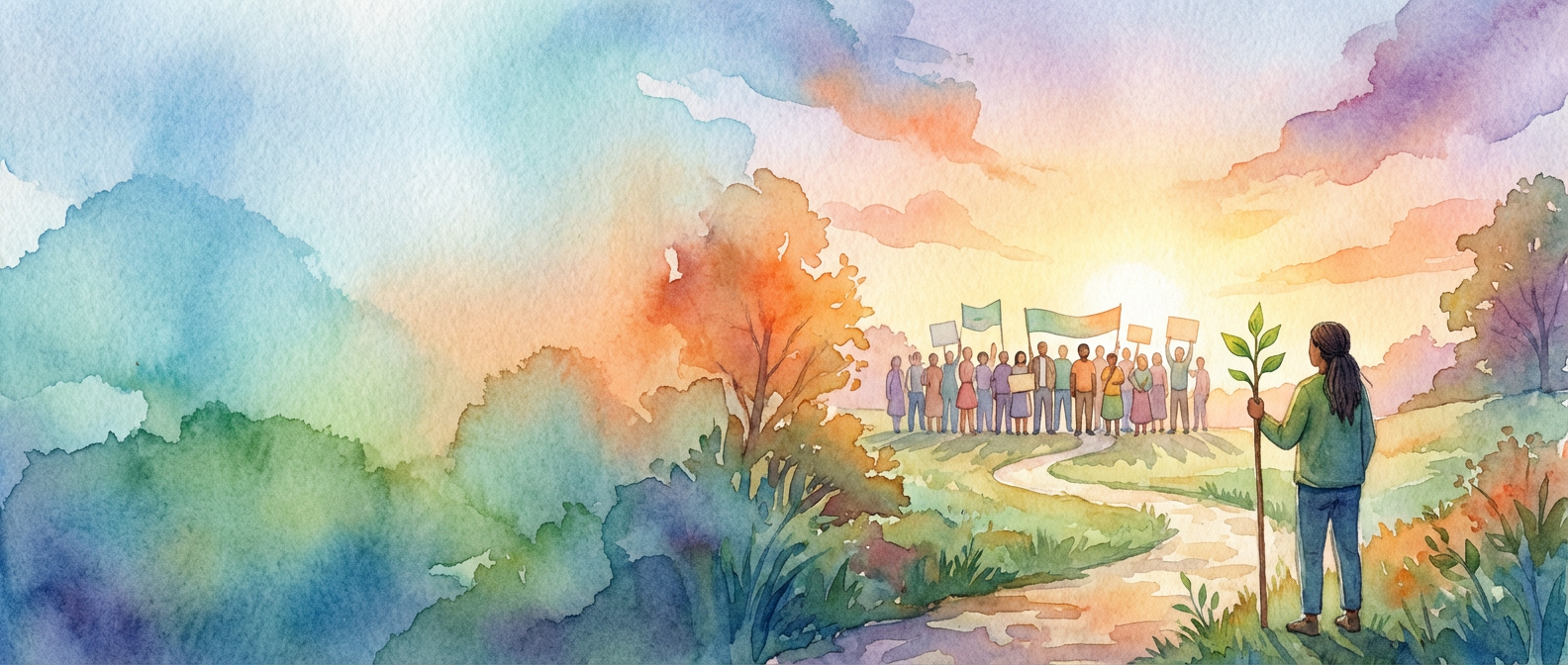
I learned this lesson watching Maria, a parent in our district who started attending school board meetings because her daughter’s classroom had thirty-two kids and no aide. She could have burned herself out fighting every education battle nationwide. Instead, she focused laser-sharp attention on getting additional support staff funded in the next budget cycle. Six months later, her daughter’s class got an aide. But Maria had also built relationships with three board members and understood exactly how the budget process worked.
Local advocacy gives you immediate feedback loops that national politics rarely provides. You can see your city councilperson at the grocery store. Your state representative actually reads emails from constituents. The school board president’s kids might go to the same school as yours. These human connections make the work feel less abstract and more like what it actually is: neighbors working together to solve shared problems.

Build Your Personal Advocacy Ecosystem
Lasting activism needs the same thing as a healthy garden: good soil, the right mix of nutrients, and protection from harsh weather. Your advocacy ecosystem needs three key components: reliable information sources, a supportive community, and clear boundaries around your time and energy.
Start by identifying trustworthy local news sources and government transparency tools. In my city, I rely on two local reporters who actually show up to city council meetings, the municipal website that posts meeting agendas and minutes, and a neighborhood email list where residents share real-time updates. I spend fifteen minutes every Sunday morning scanning these sources. This keeps me informed without the daily overwhelm of breaking news alerts.
Next, find your people. This might be an existing advocacy group, a faith community that shares your values, or even just three neighbors who care about the same issues you do. My most effective advocacy happened when I joined forces with Tom, who understood zoning law, and Sarah, who had experience running local campaigns. We divided labor based on our strengths and met monthly to coordinate our efforts.
Finally, set clear boundaries. Decide how many meetings per month you can realistically attend. Choose one or two issues to focus on rather than trying to engage with everything. Schedule regular breaks from political news and social media. Sustainable advocacy is a marathon, not a sprint.
Master the Art of Strategic Showing Up
Effective local advocacy isn’t about attending every meeting or signing every petition. It’s about showing up strategically at moments when your voice can make the biggest difference. This means understanding how local government actually works and timing your engagement for maximum impact.
Take budget season, which happens once a year in most municipalities but shapes everything your local government does. Three months before budget hearings, start paying attention to preliminary proposals. Attend the early public input sessions when officials are still gathering feedback, not the final vote when decisions are already locked in. Bring specific data about how budget choices affect real people in your community.
Learn to read meeting agendas strategically. Items listed as “public hearings” are your golden opportunities to speak directly to decision-makers. “First reading” agenda items are still changeable. “Second reading” items are harder to influence. When you do speak at meetings, lead with your connection to the community, state your position clearly in the first thirty seconds, and offer to provide additional information afterward.
Sometimes the most strategic move is showing up between meetings. Coffee with a city council member can be more productive than speaking at a packed public hearing. Volunteering for a candidate’s campaign creates relationships that last beyond election day. Attending neighborhood association meetings builds coalitions that amplify your voice when it counts.
Turn Frustration into Fuel for Long-term Change
Political frustration is inevitable, but burnout is optional. The difference lies in how you channel that frustration into action that you can actually sustain. Instead of letting setbacks drain your energy, use them as information about where the system needs improvement and how you can be more effective next time.
When the city council voted down our proposal for improved bike lanes despite overwhelming public support, I felt defeated. But during the post-meeting coffee shop debrief with fellow advocates, we realized we had focused too much on public testimony and not enough on building relationships with individual council members beforehand. That insight shaped our strategy for the next transportation issue, which we won decisively.
Document your advocacy journey. Keep notes about which arguments resonated with which officials. Track how local policies actually get implemented after they’re passed. Notice which coalition-building strategies work in your community. This information becomes incredibly valuable for future campaigns and helps you see progress even when individual battles don’t go your way.
Celebrate small wins along the way. The bike lane project might have failed, but we got three new people involved in advocacy. The school funding measure passed, even though it was smaller than we hoped. The zoning change we supported will prevent harmful development in our neighborhood. These smaller victories create momentum for bigger changes down the road.
Create Ripple Effects That Outlast Your Direct Involvement
The most sustainable advocacy work continues even when you step back. This means building systems and relationships that don’t depend entirely on your personal energy. Think of yourself as a catalyst for change rather than the sole engine driving it.
Mentor newcomers to local advocacy. Share what you’ve learned about navigating city hall, reading budget documents, or building coalitions. When Jessica moved to our neighborhood and started asking questions about school board elections, I spent an hour walking her through the candidate research process and connecting her with other parent advocates. Two years later, she’s running for school board herself.
Help create institutional knowledge within your community. Work with others to document how local government processes work, which officials are responsive to constituent input, and what strategies have succeeded in past campaigns. Our neighborhood association now maintains a shared folder with meeting templates, contact lists, and lessons learned from previous advocacy efforts.
The goal isn’t to create a perfect political system overnight. It’s to build a community where civic engagement feels normal, accessible, and effective. When enough people understand how local government works and feel confident participating in it, democracy becomes more responsive to everyone’s needs.
What local issue has been bothering you lately? The one that makes you mutter under your breath when you encounter it during your daily routine? That’s probably exactly where your advocacy journey should begin. Start there, start small, and remember that every person who has ever made a real difference in their community started exactly where you are now.
Recent Comments