
When A. Philip Randolph Changed the Game
In 1925, when A. Philip Randolph walked into that first meeting hall in Harlem to organize the Brotherhood of Sleeping Car Porters, he wasn’t just starting a union. He was creating organizing tactics that would echo through every successful community movement for the next century. The Pullman Company seemed unbeatable, with its web of company spies, economic leverage over Black workers, and cozy relationships with both railroad executives and civil rights leaders who counseled patience. Sound familiar?
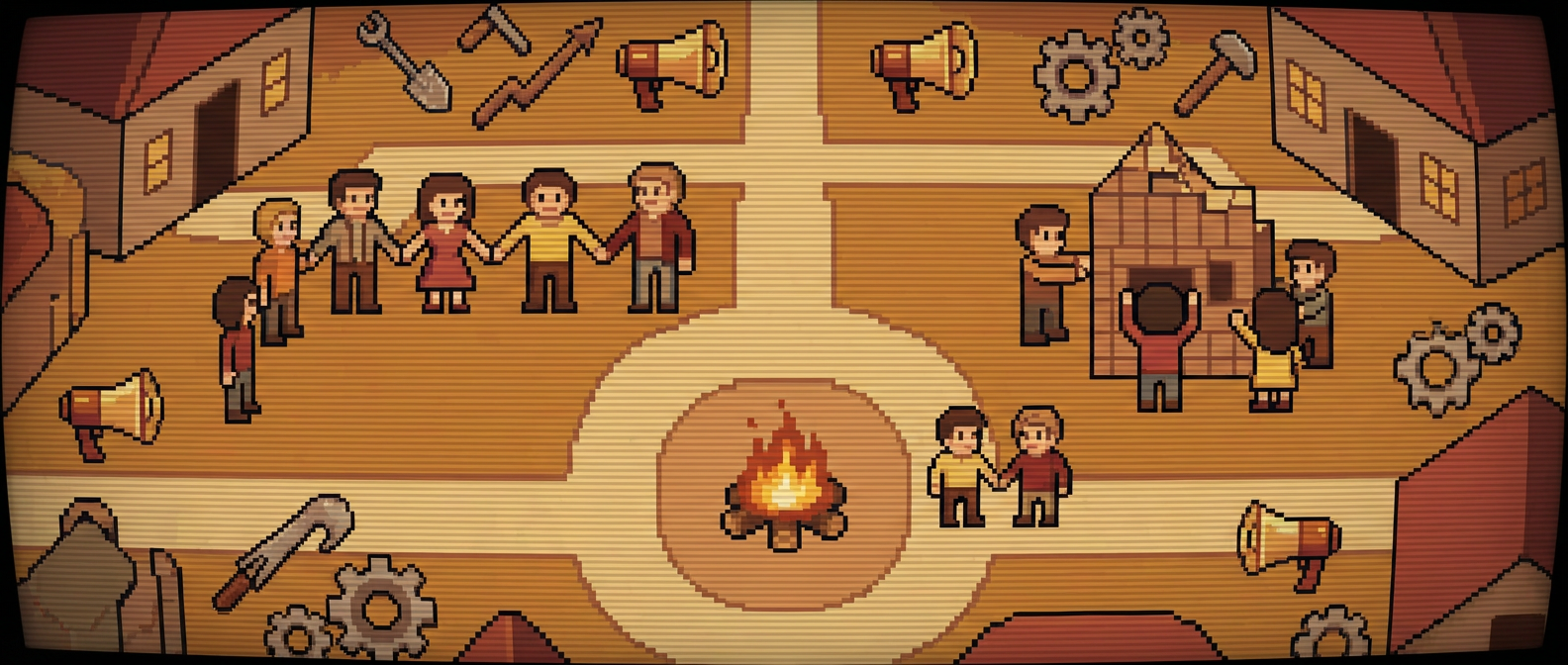
What Randolph understood, and what today’s community organizers often miss, is that real change requires building power slowly and methodically. The Brotherhood didn’t win recognition overnight. It took twelve brutal years of house meetings, secret organizing, and strategic patience before they got their first major victory in 1937. But those twelve years weren’t wasted time. They were an investment in the kind of deep organizing that creates lasting institutional change.
The parallels to modern community organizing are striking, though I’ve got to be honest, we can’t push this comparison too far. Today’s activists face different challenges than railroad workers in the 1920s. Social media can speed up organizing but also scatter attention. Local government structures have changed, creating new entry points for influence but also new headaches. Yet the basic principles Randolph used remain surprisingly relevant for anyone trying to build power at the community level.

The Power of the One-on-One: Building Relationships That Last
Randolph’s organizers mastered what we now call relational organizing, though they never used that term. They knew that lasting movements are built on personal relationships, not just shared grievances. Brotherhood organizers would spend hours in dining cars and crew quarters, not delivering speeches about workers’ rights, but listening to individual stories about missed family dinners, arbitrary schedule changes, and the daily humiliations of working under constant surveillance.
This approach translates directly to modern community organizing around housing, education, or environmental issues. The most effective organizers I’ve worked with spend far more time in coffee shops and living rooms than at rallies or city council meetings. They know that before you can move someone to action, you need to understand what moves them personally. A parent worried about their child’s safety walking to school has different motivations than someone concerned about abstract policy principles, even if both support the same traffic calming measures.
The Brotherhood’s focus on one-on-one conversations also solved a practical problem that haunts many modern movements: how do you maintain momentum between big public actions? Randolph’s organizers created what was essentially a continuous organizing conversation, where workers were constantly being engaged, consulted, and developed as leaders. This prevented the boom-and-bust cycle that kills many contemporary campaigns that rely too heavily on rallies and protests without building the underlying relational infrastructure.
Of course, the context matters enormously. Railroad workers in the 1920s lived and worked in relatively tight-knit communities where building these relationships was more straightforward than in today’s sprawling suburbs or gentrifying neighborhoods. Modern organizers have to be more intentional about creating spaces for these conversations to happen, whether through house parties, community forums, or even carefully structured online spaces.
Strategic Patience vs. Urgency: When to Push and When to Build
Maybe the most useful part of the Brotherhood’s campaign was Randolph’s ability to balance urgent action with long-term strategy. When Pullman workers faced immediate crises, like arbitrary firings or dangerous working conditions, the Brotherhood responded quickly with grievance procedures and direct action. But Randolph never let these urgent responses derail the larger goal of winning union recognition and fundamentally changing the power dynamic.
This tension between urgency and patience plays out constantly in modern community organizing. Housing advocates, for instance, must respond to immediate displacement threats while building long-term power to change zoning laws and development patterns. Environmental justice organizers can’t ignore today’s pollution while waiting for comprehensive policy reform. The Brotherhood’s model suggests a both-and approach: address immediate needs while building the organizational capacity for systemic change.
The key insight from Randolph’s approach is that strategic patience doesn’t mean sitting around. The Brotherhood was constantly active during those twelve years, running voter registration drives, building alliances with other unions, training new leaders, and creating economic pressure through coordinated actions. They understood that building power is itself a form of action, not just preparation for action.
However, we should acknowledge that the Brotherhood operated in a different media and political environment. Today’s 24-hour news cycle and social media can make strategic patience much harder to maintain. Community organizations face pressure to respond to every crisis and opportunity, sometimes at the expense of long-term capacity building. Learning from Randolph doesn’t mean copying his timeline, but rather adopting his discipline about distinguishing between activities that build power and activities that merely respond to it.
Coalition Building: The Art of Strategic Alliances
One of Randolph’s smartest achievements was building a coalition that included not just railroad workers, but civil rights organizations, religious leaders, women’s groups, and eventually other labor unions. This wasn’t just about getting more people to show up to rallies. It was about creating multiple pressure points on the Pullman Company and building a movement with staying power.
The Brotherhood’s coalition strategy offers valuable lessons for modern organizers, particularly around the question of ideological purity versus strategic effectiveness. Randolph worked with organizations and individuals who didn’t share all of his views on economic policy or civil rights tactics. What mattered was their willingness to support the specific goal of union recognition. This pragmatic approach allowed the Brotherhood to build much broader support than would have been possible with a more ideologically rigid coalition.
Contemporary community organizers face similar choices when building coalitions around local issues. A campaign for better public transit might bring together environmental activists, disability rights advocates, low-income housing groups, and business organizations concerned about employee transportation. These groups may disagree strongly on other issues, but their shared interest in transit improvements can create a powerful coalition.
The Brotherhood’s experience also highlights the importance of what organizers call “leadership development within coalition work.” Randolph didn’t just ask allies to show up and support, he created meaningful roles for leaders from different organizations and communities. This approach not only strengthened the immediate campaign but built relationships and skills that benefited future organizing efforts across multiple issues.
From Railroad Cars to City Halls: Adapting Historical Lessons
The most important lesson from the Brotherhood of Sleeping Car Porters isn’t any specific tactic, but rather their approach to building power systematically over time. They understood that sustainable change requires creating new relationships, developing new leaders, and shifting the underlying dynamics that create problems in the first place.
Modern community organizers working on everything from school board races to climate action can apply these principles, though the specific methods will necessarily differ. The house meeting that worked in 1920s Harlem might be a neighborhood coffee hour or a virtual forum today. The one-on-one conversation might happen through phone banking or door-to-door canvassing. The coalition building might involve social media campaigns and online organizing tools that Randolph could never have imagined.
What stays the same is the need for patience, relationship building, strategic thinking, and the recognition that real change takes time and sustained effort. The Brotherhood’s twelve-year campaign reminds us that building lasting power in our communities requires the same kind of commitment and strategic discipline that Randolph brought to his organizing.
If you’re working on community organizing in your own neighborhood or city, I’d love to hear about what you’re learning and what challenges you’re facing. The principles are timeless, but every community context is unique, and we all benefit from sharing our experiences and insights.
Recent Comments