

The Mechanics of Constitutional Change
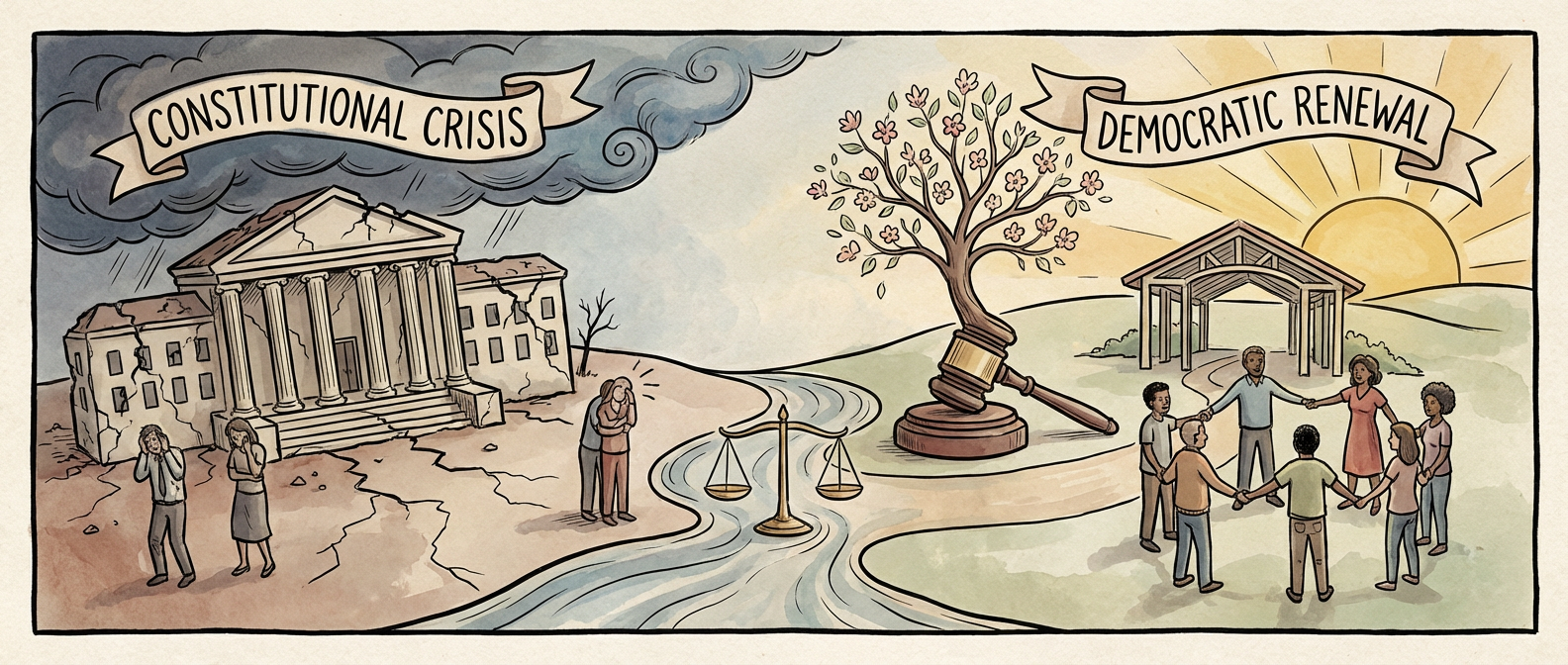
Democracy sometimes forces us to watch its own contradictions play out in real time. Mexico’s sweeping judicial reform, codified in the Mexican Constitutional Amendment Text passed last September with an overwhelming 83% legislative approval, presents exactly this kind of institutional paradox. The amendment mandates popular election of all federal judges, from local magistrates to Supreme Court justices. It’s a democratic decision that fundamentally alters how democracy’s guardian institution operates.
The scope is massive. Come June 2026, Mexican voters will face ballots containing roughly 7,000 judicial positions. President Claudia Sheinbaum’s administration has committed 12 billion pesos, approximately 650 million dollars, to manage this unprecedented electoral undertaking through the National Electoral Institute. These aren’t symbolic gestures or pilot programs. This is the most comprehensive restructuring of judicial selection in recent democratic history.
What makes this particularly interesting from a structural perspective is how it emerged despite fierce opposition from the very institution being reformed. Mexico’s Supreme Court opposed the changes, creating a constitutional standoff between the judiciary and the legislative branch that the legislature ultimately won through sheer democratic weight. This isn’t unusual in democratic systems, but it’s rarely this stark or comprehensive.

The Great Judicial Exodus
Numbers tell stories, and the story here is one of institutional disruption on a massive scale. The Mexican Bar Association reports that nearly a quarter of all federal judges have chosen resignation over election, creating what amounts to a voluntary purge of judicial experience. These aren’t retirements or normal turnover patterns. These are professionals abandoning careers rather than submit to popular validation of their authority.
This exodus reveals the depth of cultural shift the reforms represent. For decades, Mexican federal judges operated within a system of professional appointment and career advancement based on legal expertise and institutional relationships. The transition to popular election doesn’t just change how judges get their jobs. It fundamentally alters the source of their legitimacy, shifting it from professional credentials to popular mandate.
The practical implications are staggering. Court systems facing 25% vacancy rates don’t just slow down. They create backlogs that can take years to clear, affecting everything from commercial disputes to criminal justice timelines. The structural question becomes whether democratic legitimacy gained through elections can compensate for institutional knowledge lost through resignations.
International Tensions and Democratic Legitimacy
The Inter-American Commission on Human Rights Statement raises concerns about judicial independence that get to the heart of democratic theory. Their worry centers on whether elected judges can maintain the institutional independence necessary to check legislative and executive power. It’s a classic tension: democratic accountability versus institutional autonomy.
But domestic polling complicates this narrative significantly. Sixty-eight percent approval for the judicial reforms suggests that international observers and Mexican citizens are evaluating the changes through fundamentally different frameworks. International bodies focus on established democratic norms and separation of powers principles. Mexican voters appear to be prioritizing democratic participation and institutional accountability over traditional independence concerns.
This disconnect shows how democratic legitimacy operates across different scales. What looks like democratic backsliding from an international institutional perspective can simultaneously represent democratic deepening from a popular sovereignty standpoint. The structural challenge lies in determining which democratic value takes precedence when they conflict.
The Electoral Machinery of Justice
Running 7,000 judicial elections presents logistical challenges that extend far beyond typical electoral administration. Unlike legislative or executive races, judicial campaigns must navigate restrictions on policy positions and partisan affiliations while somehow providing voters with meaningful choice criteria. The National Electoral Institute faces the unprecedented task of creating campaign frameworks for candidates who traditionally avoid public political engagement.
The financial commitment of 650 million dollars reflects recognition that this isn’t simply scaling up existing electoral processes. New voter education programs must explain judicial functions to citizens accustomed to evaluating candidates on policy platforms. Ballot design becomes crucial when voters must distinguish between dozens of judicial candidates across multiple court levels.
These operational challenges matter because implementation difficulties can undermine even well-intentioned reforms. If the electoral process produces confusion or random selection rather than informed choice, the democratic legitimacy gains that justify the entire enterprise begin to erode. Success depends on creating meaningful democratic participation in an arena traditionally removed from popular politics.
Structural Implications for Democratic Governance
The deeper question raised by Mexico’s judicial reform extends beyond judicial independence to the nature of democratic accountability itself. Traditional separation of powers theory assumes that institutional independence helps democratic purposes by preventing majoritarian tyranny. But what happens when citizens perceive that independence as insulation from democratic control?
Mexico’s approach suggests an alternative democratic theory where popular sovereignty extends directly into all governmental branches. This isn’t necessarily superior or inferior to traditional models, but it represents a fundamentally different understanding of how democratic legitimacy operates. The long-term consequences will depend on whether elected judges can develop new forms of institutional independence rooted in popular mandate rather than professional appointment.
The reform also tests whether democratic institutions can successfully remake themselves through democratic processes. Constitutional amendments changing judicial selection represent democracy’s capacity for self-transformation, but they also create uncertainty about institutional stability and continuity.
Understanding Mexico’s judicial transformation requires moving beyond simple categories of democratic progress or backsliding toward more careful analysis of how democratic values interact and sometimes conflict. The outcomes will provide crucial evidence about whether popular election can enhance rather than undermine judicial effectiveness in contemporary democratic systems.
Recent Comments