Hey tech enthusiasts, fellow digital daydreamers, and anyone else who likes to imagine pixels trading keyboards for paintbrushes! Today, we’re diving into something that’s been blowing my mind lately: Artificial Intelligence in the arts. AI has apparently picked up a beret and started contemplating color theory, and honestly? It’s pretty wild to watch.
The Muse Goes Digital
Growing up, I always thought artificial intelligence would be all spreadsheets and logical calculations. Turns out, these binary-brained machines can also mess around with metaphors, express emotions, and yes, even paint. Seems like every week there’s another “AI creates masterpiece” story popping up in my news feed.
But is it actually art? Good question. People have been arguing about what counts as “real art” forever. Remember all the pearl-clutching when Picasso started painting faces with eyes in weird places? Or when Duchamp stuck a urinal in a gallery? We’re basically having that same argument all over again, except now it’s about whether a computer can have creative vision.
From Code to Canvas: Why Artists Aren’t Panicking
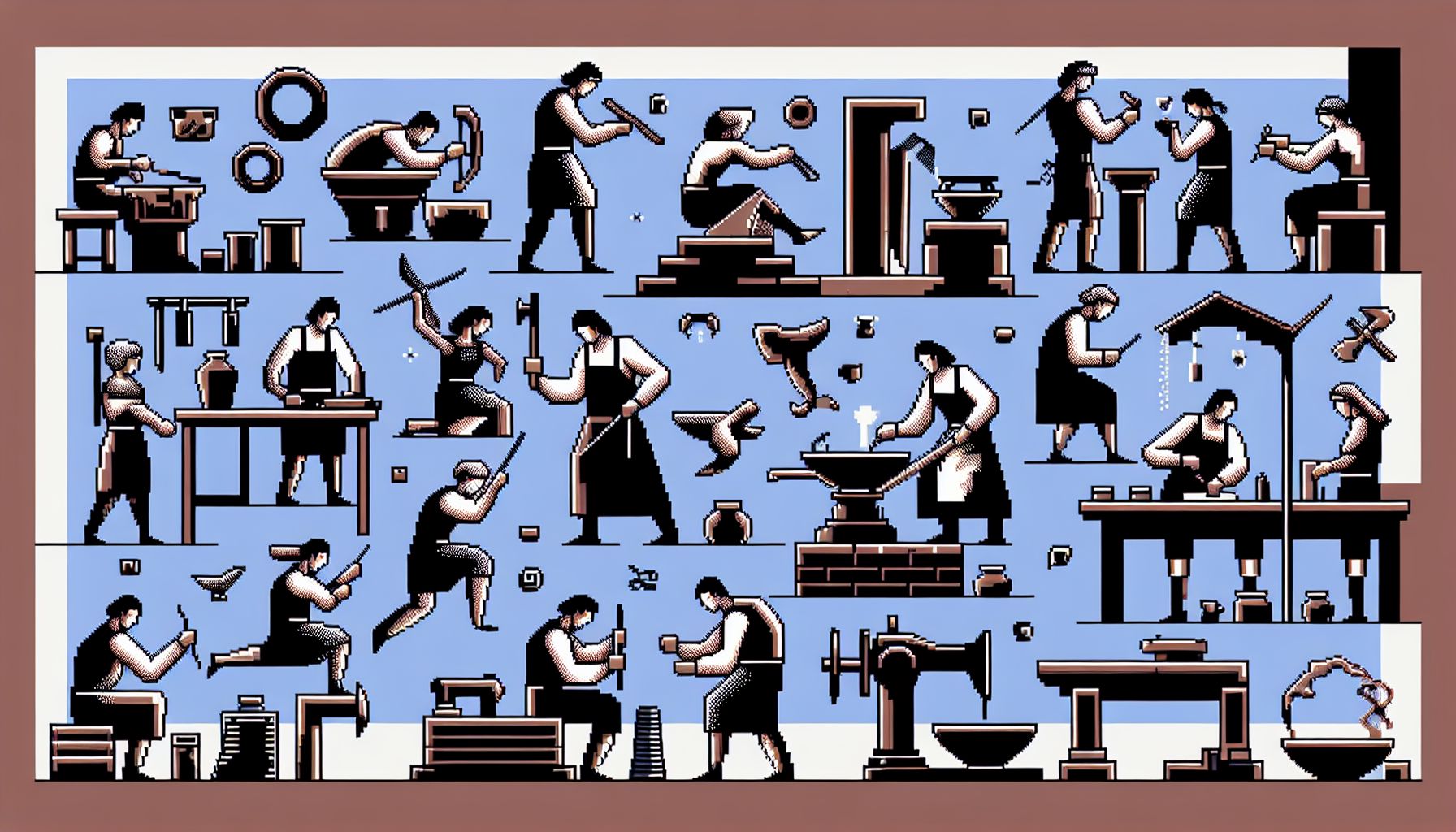
Here’s the thing though—these digital artists aren’t trying to replace human creativity. They’re more like creative assistants. Companies like Adobe and Autodesk are building AI tools that help designers skip the tedious stuff. Instead of manually tweaking thousands of boring variations, designers can use AI to generate a bunch of solid options and then pick the best ones to refine.
You know those face filters on Snapchat? That’s just scratching the surface. I’ve seen apps that dream up architectural designs, and visual artists are using AI to blend completely different artistic styles. My friend James—who’s always messing around with the latest tech—actually trained an AI to transform satellite photos into something that looks like Monet painted them. The results were surprisingly beautiful.
Breaking Down Creative Boundaries
What really gets me excited is how AI is blurring the lines between different art forms. Musicians are using algorithms to generate new sounds and textures. Visual artists are collaborating with machines to create things neither could make alone. Dance choreographers are experimenting with motion-capture data to design movements no human body could perform.
Tools like DALL-E can turn the weirdest text prompts into actual images. Want to see “a cat wearing a tuxedo giving a TED talk about quantum physics”? Done. It’s absurd and amazing at the same time. The technology is getting so good that some AI-generated pieces are ending up in galleries and selling for serious money.
When Machines Learn to Dance
Dance and performance art have been particularly interesting to watch. Choreographers are feeding movement data into neural networks and getting back sequences that feel both familiar and completely alien. I saw a performance last year where dancers were responding in real-time to AI-generated music and projections. The whole thing felt like watching a conversation between human intuition and machine logic.
The cool part is that the AI isn’t just copying existing dance moves—it’s finding patterns in how bodies move and then suggesting new possibilities. Some of the results look awkward, sure, but others are genuinely surprising.
What’s Coming Next?
I think we’re still in the early days of this whole AI-art thing. The technology is advancing fast, but we’re also figuring out the ethics and philosophy as we go. Who owns the copyright when an AI creates something? How much human input is needed for it to count as collaboration versus automation?
The artists I talk to aren’t worried about being replaced. They’re excited about having new tools to play with. It’s like when digital photography didn’t kill painting—it just gave artists more ways to express themselves. The humans are still doing the conceptual work, the emotional heavy lifting, the decision-making about what matters.
I suspect we’ll see AI become as common in creative workflows as Photoshop or Auto-Tune. Some people will use it heavily, others will avoid it completely, and most will probably find some middle ground that works for their process.
The Human Element Still Matters
At the end of the day, AI can generate impressive outputs, but it can’t have experiences or feelings or personal struggles that drive great art. It doesn’t wake up heartbroken or inspired by a sunset or angry about injustice. The human element—the why behind the what—that’s still completely ours.
What AI does give us is a new kind of creative partner. One that never gets tired, doesn’t have ego problems, and can process way more information than any human brain. Used thoughtfully, it could help artists push their work in directions they never would have discovered on their own.
The future of art isn’t going to be humans versus machines. It’s going to be humans with really, really interesting machines. And honestly? I can’t wait to see what they come up with together.
Recent Comments