

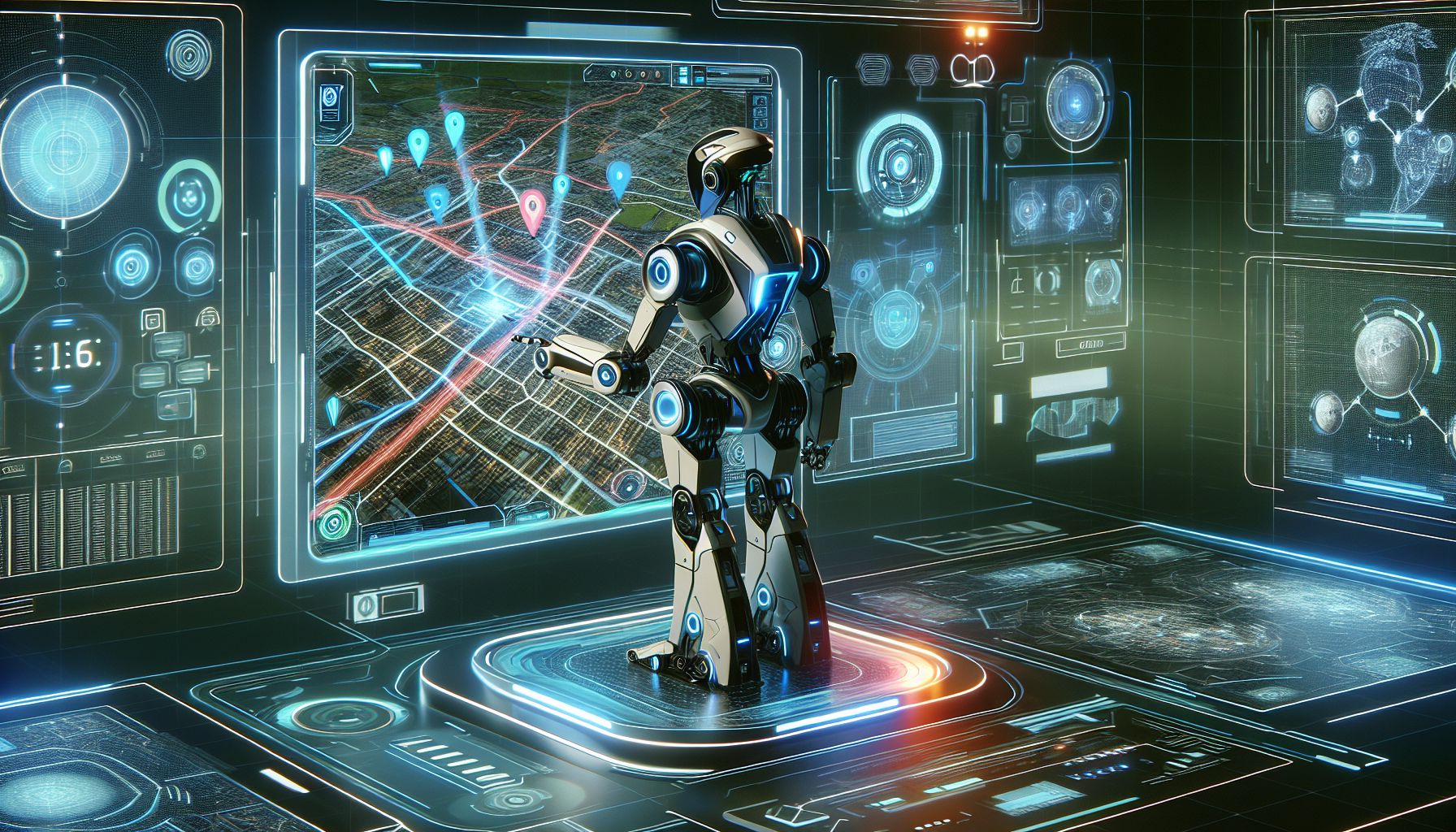
Hey tech fans! Grab your mug of coffee (make it double-shot!) and take a comfy seat on your beanbag chair — if you’re like me, you want comfy vibes while wading through tech ideas swirling down the Swift Current of Tomorrow.
Today’s hi-tech detour will funnel us down the busy, buzzing alley of Advanced Robotics. From self-driven swarms of delivery bots speed-dodging sidewalks to state-of-the-art eerily lifelike humanoids, robots have clomped their way Power Loader-style straight into our imagination. So strap in as we peel back layers and tinker around to get to know these metal heartbeats a tad bit better.
The Rise of Sherlock Bot: Problem-Solving Efficiency
Meet Sherlock Bot, my ideal self-steaming accomplice who may sport a deerstalker. What makes real-world robots impressive is mainly their ability to handle bizarre logic puzzles in the maze of day-to-day monotony. We’ve effectively armed them with brains that cut through complexity before tackling the erratic networks of everyday tasks.
Picture this: hospital logistics humming steadily as an endless carousel rotates bed linens. Seriously folks, robots like TUG—essentially a motorized hospital butler from AIM Robotics—aren’t all Daleks out for world domination. They’re streamlining human tasks, navigating through feasibility tests for efficiency.
Does imagining a calm procession of robots guiding others leave some of us feeling a bit unnecessary? Here’s the thing: these machines limit human exposure to mundane tasks during sudden crises. It’s not some sci-fi prediction but rather how some medical situations that used to seem like B-movie scenarios are becoming routine.
Artisans and Craftsmanship: The Creative Side of Robots
Let’s switch gears and look at robots that create beautiful things. Advanced robotics now combines precision with artistry, forming intricate patterns and designs that would challenge human craftspeople. These machines don’t just stamp out identical parts—they explore techniques that push the boundaries of what’s possible.
When companies like NVIDIA develop processing power for robotic modeling, we’re seeing minimal waste and maximum creativity. These systems can unravel complex manufacturing tasks while maintaining quality that rivals traditional craftsmanship. The technology rests on algorithms that are incredibly nimble, processing thousands of variables simultaneously. You get machines that can craft materials with the precision of a master artisan while pursuing efficiency that human hands simply can’t match. They’re creating art while serving practical purposes, rotating through quality checks and producing results that align with both aesthetic and functional goals.
DIY Robotics: The Maker Revolution
Let’s talk about something that gets me genuinely excited: the DIY robotics scene. Gone are the days when building robots required a PhD and a million-dollar lab. Today’s makers are stacking components in their garages, creating incredible machines with patience, creativity, and a solid toolbox.
The maker movement has transformed robotics from an exclusive academic pursuit into something accessible. You’ve got pioneers building everything from automated gardening systems to personal assistants using off-the-shelf parts. Arduino boards, 3D printers, and open-source software have democratized robot building. What used to require specialized knowledge now comes with tutorials, community forums, and starter kits. Sure, you’ll still face challenges—programming can be frustrating, and hardware failures happen—but the resources available today make it possible for anyone with curiosity and determination to build something amazing.
Recent Comments