Welcome back to another dive into emerging technologies. Today, I want to talk about something that’s been on my mind lately: Artificial Intelligence in Creative Arts. Yeah, I know what you’re thinking. We’re talking about algorithms that paint, write poetry, and compose music you might actually want to listen to.
When Machines Pick Up Paintbrushes
Look, I get it if you’re skeptical about machines making real art. For centuries, we’ve thought of art as something uniquely human. But here’s the thing: AI is already creating stuff that’s hard to ignore. Take projects like AICAN or DeepArt. These platforms take massive databases of classic artworks and run them through neural networks to create new pieces. And honestly? Some of the results are pretty impressive. Van Gogh might be rolling in his grave, but the artwork speaks for itself.
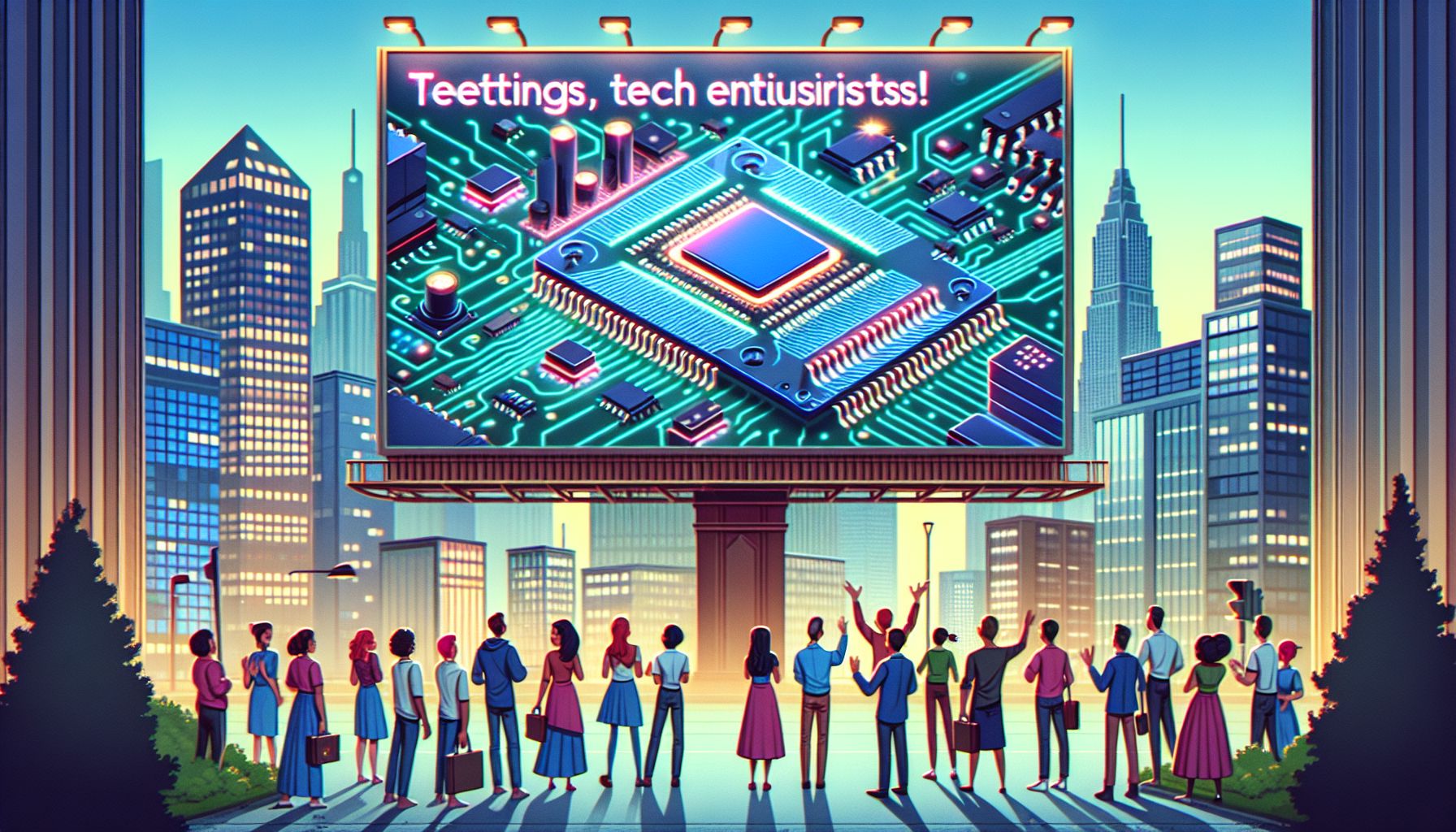
We’re in uncharted territory here. I mean, what’s next? AI-designed murals popping up in Montmartre? A robot version of Banksy? The potential for AI to generate endless unique creations without repeating itself is something that gets both tech enthusiasts and artists talking.
Digital Shakespeares and Silicon Songwriters
Remember when Watson dominated Jeopardy? Now imagine AI writing sonnets with that same computational power. Songwriting with AI isn’t some mad scientist experiment anymore. It’s becoming a genuine fusion of traditional artistry and new technology. I’d bet my dusty college textbooks that AI-generated music will end up in playlists right next to Bach, The Beatles, and Beyoncé.
Take Sony’s Flow Machines, which created jazz pieces that blend classical elements with modern sounds. Or OpenAI’s MuseNet, which can compose in different styles and with various instruments. These aren’t just random noise generators. They’re creating music that has structure, emotion, and yes, sometimes even soul.
The Human Factor
But here’s where it gets complicated. The conversation around AI art isn’t just about technical capability. It’s about what art means, what creativity is, and whether machines can truly understand human emotion well enough to reflect it back to us. Some artists see AI as a threat to their livelihood. Others view it as just another tool, like Photoshop or a synthesizer.
What I find interesting is how AI is forcing us to question our assumptions about creativity. Is art about the final product or the process? Does it matter if a beautiful painting was created by a human hand or an algorithm? These aren’t easy questions, and honestly, I’m not sure we have clear answers yet.
Real-World Impact
AI art isn’t just a curiosity anymore. Galleries are displaying AI-generated works. Musicians are collaborating with algorithms. Graphic designers are using AI to speed up their workflow. The technology is moving from experimental to practical pretty quickly.
But there are real concerns too. Copyright issues, job displacement, and questions about originality are all part of this conversation. When an AI creates something based on training data from thousands of human artists, who owns that work? It’s messy, and the legal system is still catching up.
What’s Coming Next
As we move forward, I think we’ll see AI become more integrated into creative workflows rather than replacing human artists entirely. The most interesting projects I’ve seen lately involve human-AI collaboration, where artists use AI as a creative partner rather than a replacement.
The technology is getting better at understanding context, emotion, and style. We’re moving beyond random generation toward more intentional, directed creativity. That’s both exciting and a little unsettling, depending on how you look at it.
The reality is that AI in creative arts is here to stay. Whether you see it as a tool, a threat, or something in between, it’s already changing how we think about creativity. And honestly? I think that conversation is just as valuable as any artwork that comes out of it.
The Bottom Line
Look, there’s no putting this technology back in the box. AI is going to keep getting better at creative tasks. The question isn’t whether it will happen, but how we adapt to it. Some of the most interesting art I’ve seen recently has come from artists who embrace the uncertainty and use AI to push boundaries they couldn’t reach on their own.
Until next time, keep an eye on this space. The intersection of technology and creativity is moving fast, and it’s going to be interesting to see where it takes us.
Catch you in the next post, where we’ll dive into another corner of our increasingly digital world.
Recent Comments