

Why Your Pothole Complaint Is Actually Political Power
That broken streetlight you’ve been cursing during your evening walks? The persistent pothole that’s become a neighborhood landmark? These aren’t just inconveniences, they’re your entry point into the most accessible form of democracy we have. Local issues are where ordinary residents discover they can actually move the levers of government, often with surprising speed and effectiveness.
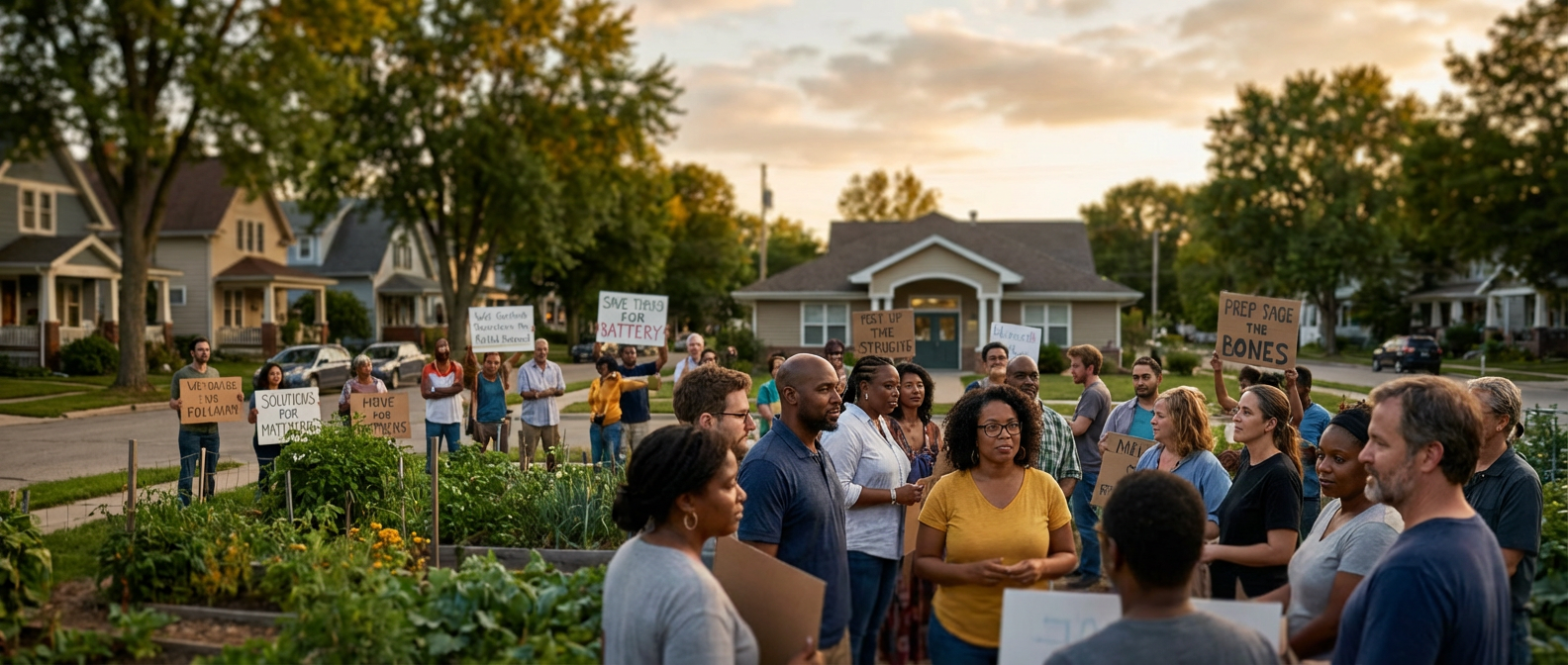
I’ve watched neighbors transform from frustrated complainers to confident advocates countless times. It usually starts with something small and concrete. Sarah from my old block began with a simple question about why the crosswalk near the elementary school didn’t have a stop sign. Six months later? She was addressing the city council about traffic safety protocols and had organized a neighborhood watch program. The stop sign was just the beginning.
Local government operates on a completely different scale than state or federal politics. Your city council member probably represents fewer than 10,000 people. Your school board member might know your name. These officials deal with real problems that directly affect daily life, and they’re remarkably responsive when residents approach them with clear, specific concerns backed by a little community support.

Building Your Issue Coalition: Start With Coffee, Not Committees
The most effective neighborhood organizing I’ve seen started with informal conversations, not formal meetings. When residents on Maple Street wanted to address speeding traffic, they didn’t immediately call for a town hall. Instead, they started talking to neighbors while walking dogs, chatting over backyard fences, and connecting during school pickup. By the time they approached the city, they knew exactly who shared their concerns and what solutions might actually work.
Your coalition doesn’t need to be huge to be effective. Five households with a well-researched proposal often carry more weight than twenty signatures on a petition without context. Focus on finding neighbors who are directly affected by the issue and willing to learn about potential solutions. Look for people with different skills and perspectives. Someone who works in construction might understand infrastructure challenges. A parent might know school district procedures.
Document everything as you go. Take photos of problems, track when issues occur, and note any safety concerns. Create a simple shared document where neighbors can add their observations and contact information. This groundwork becomes invaluable when you’re ready to present your case to officials who need concrete data to justify action.
Navigating City Hall: Your Local Government Decoder Ring
Most people have no idea how their local government actually works. That’s partly by design since these systems evolved over decades without much thought for citizen accessibility. But once you understand the basic structure, you’ll see multiple entry points for influence. Your issue might fall under public works, planning and zoning, parks and recreation, or public safety. Each department has different procedures and timelines.
Start by identifying the right office. City websites often have organizational charts that show which department handles what. If you’re unsure, call the main city number and ask. Most municipal employees are genuinely helpful when residents approach them politely and specifically. Don’t be discouraged if you get transferred a few times. This is normal and helps you understand the process.
Learn the meeting schedule and public comment procedures for relevant boards and councils. Most local governments have predictable patterns. City council meets the first Tuesday of each month, planning commission meets the third Thursday. Public comment periods usually allow three minutes per speaker, which sounds short but is plenty of time for a focused, specific request. Practice your remarks beforehand, and bring written copies for the officials.
Timing matters enormously in local government. Budget discussions happen annually, often between February and June. Major policy changes frequently require multiple meetings and public hearings. If your issue involves spending money, you’ll have better luck approaching officials before budget discussions begin rather than after decisions are finalized.
From Problem to Solution: Making Your Case Stick
Effective neighborhood advocacy requires shifting from complaint mode to solution mode. Officials hear about problems constantly. They get energized by residents who come with research, alternatives, and realistic expectations. When the residents on Oak Avenue wanted better pedestrian lighting, they didn’t just complain about darkness. They researched lighting options, identified funding mechanisms, and presented three different approaches with cost estimates.
Research similar solutions in comparable communities. Most cities face similar challenges, and officials appreciate learning what’s worked elsewhere. A five-minute internet search can reveal how other communities addressed traffic calming, parking issues, or neighborhood beautification. This research shows you’re serious and helps officials justify their decisions to colleagues and constituents.
Be prepared to compromise and think long-term. Your ideal solution might not be immediately feasible, but a partial solution now can create momentum for larger changes later. The neighborhood that wanted a new playground started by successfully advocating for playground equipment repairs, which demonstrated community engagement and built relationships with parks department staff. The new playground came two years later, funded through a bond measure the same neighbors helped support.
Follow up consistently but respectfully. Local officials juggle dozens of issues at once, and polite persistence helps keep your concern visible. Send brief email updates when you have new information, attend relevant meetings even when your issue isn’t on the agenda, and acknowledge progress publicly when it occurs.
Victory Laps and Next Steps: Building on Success
When you achieve your goal (and you probably will, if you follow these steps), take time to celebrate and document what worked. Successful neighborhood organizing creates a foundation for addressing future issues and often reveals residents’ hidden talents for civic engagement. The skills you develop advocating for a stop sign transfer directly to school board advocacy, budget oversight, and electoral politics.
Share your success story with other neighborhoods facing similar challenges. Most local newspapers welcome well-written letters about positive community changes, and social media makes it easy to connect with residents in other areas. Your experience becomes a template that other neighbors can adapt for their own issues.
Think about the bigger picture of your work. Neighborhood organizing strengthens democratic participation by showing residents they can influence decisions that affect their daily lives. Every successful local advocacy effort creates more engaged citizens who understand how government works and feel confident approaching officials with future concerns.
Start small, stay focused, and remember that local democracy works best when ordinary residents participate actively and consistently. Your neighborhood issue might seem minor in the grand scheme of politics, but it’s exactly the right size for learning how to be an effective citizen. What problem in your area has been bothering you long enough to finally do something about it?
Recent Comments