
Small Dollar Donations Aren’t Just Feel-Good Stories
Here’s the data that might surprise you. According to the Center for Responsive Politics, campaigns that built strong small-dollar donor bases in 2022 saw an average of 34% higher voter turnout in their districts compared to campaigns relying primarily on large donors. This isn’t coincidence. When people invest financially in a campaign, even just $25, they become stakeholders rather than spectators.
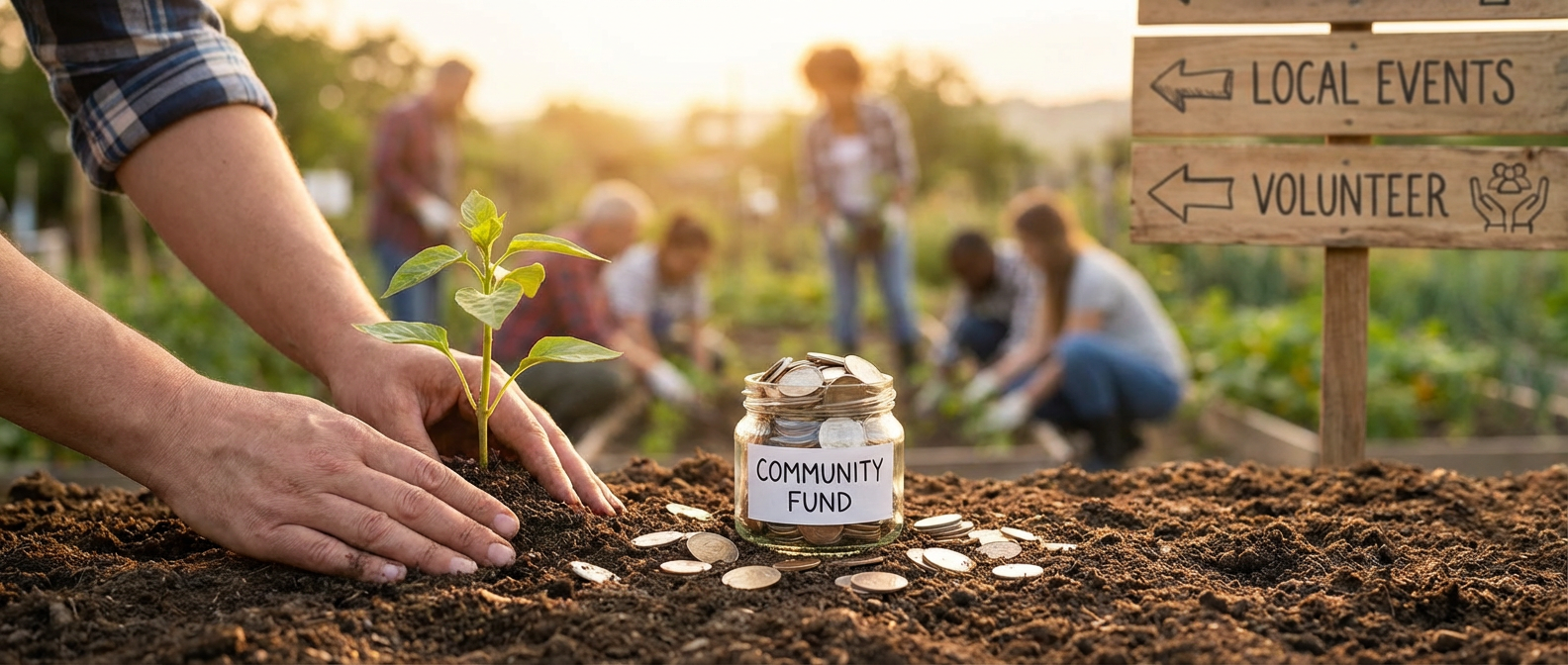
The ActBlue and WinRed platforms processed over $4.2 billion in small donations during the 2022 cycle, with the average contribution hovering around $42. But here’s what the aggregate numbers miss: campaigns with the highest small-dollar success rates weren’t necessarily the most well-known candidates. They were the ones who figured out the fundamentals of relationship building at scale.
Local campaigns consistently outperform federal races in conversion rates for first-time donors. A city council candidate in Portland, Oregon can expect roughly 3.2% of their email subscribers to make a donation, while House candidates typically see rates closer to 1.8%. The proximity factor matters. People can picture their $50 helping fix that pothole or improving their kid’s school in ways that feel abstract when applied to national politics.

Peer-to-Peer Networks Beat Celebrity Endorsements Every Time
The most effective grassroots fundraising happens when campaigns turn supporters into fundraisers. Research from the Institute for Democracy and Electoral Assistance shows that donations solicited through personal networks convert at rates 6.7 times higher than cold outreach efforts. Your neighbor asking for $20 carries more weight than a glossy mailer from a candidate you’ve never met.
Successful campaigns create structured peer-to-peer programs rather than hoping supporters will spontaneously become fundraisers. The best systems give templates, talking points, and specific ask amounts. One county commissioner race in Michigan raised 68% of their total budget through supporter-led house parties, each with a modest goal of $500. The campaign gave the framework, supporters brought the relationships.
Digital tools have made peer-to-peer fundraising more trackable and scalable. Platforms like Crowdpac and NationBuilder allow supporters to create their own fundraising pages, complete with personal stories about why they’re backing a candidate. The data shows that supporter-created content performs better than campaign-generated appeals, with 23% higher click-through rates and 31% higher conversion rates.
Timing and Frequency: The Science of When to Ask
Campaign finance reports reveal clear patterns about when donors give, and smart campaigns align their outreach accordingly. Tuesday through Thursday emails see the highest open rates (22.3% average), while weekend appeals often get buried. But here’s something weird: Saturday morning texts have the highest response rates for urgent fundraising pushes, probably because people have time to read and respond thoughtfully.
The frequency sweet spot varies by donor tier, and campaigns that segment their communications accordingly raise significantly more money. First-time donors should get no more than one fundraising appeal per week, while repeat donors can handle two or three without showing fatigue. Major donor prospects require a completely different approach, with quarterly check-ins and personal calls rather than mass email campaigns.
Monthly recurring donations have become the holy grail of campaign finance, giving predictable revenue streams that allow for better budget planning. Campaigns that successfully convert supporters to recurring gifts typically see their monthly fundraising baseline increase by 40-60% over the course of an election cycle. The key is making the recurring option prominent but not pushy, often positioned as a “sustaining member” program rather than an automatic deduction.
Local Events Still Outperform Digital-Only Strategies
Despite the digital revolution in political fundraising, face-to-face events continue to deliver the highest per-attendee revenue and the strongest donor retention rates. A well-executed house party typically generates $2,800 in donations, while virtual events average $1,200. The difference isn’t just about the check-writing. It’s about the relationship building that happens over coffee and cookies.
The most successful grassroots campaigns blend digital efficiency with in-person relationship building. They use online tools to identify potential hosts and track RSVPs, but they never lose sight of the fact that politics is fundamentally about human connections. One state legislative candidate in Arizona attributes her victory to a series of 47 living room conversations that raised money, identified volunteers, and gathered voter commitments simultaneously.
Community events give fundraising opportunities that feel natural rather than transactional. Candidates who show up at farmers markets, school board meetings, and neighborhood association gatherings often find donors in unexpected places. The investment of time pays dividends in both immediate contributions and long-term supporter development. People give money to candidates they know, like, and trust, and those relationships still form most effectively in person.
Transparency and Accountability Drive Repeat Giving
Donors want to know their money is being used effectively, and campaigns that give regular updates on spending and strategy see 45% higher rates of repeat donations. This goes beyond the legally required finance reports that most voters never read. Smart campaigns send monthly updates showing exactly how donations translated into voter contacts, volunteer hours, and measurable progress toward campaign goals.
The most compelling fundraising appeals include specific budget breakdowns. Rather than asking for generic support, effective campaigns explain that “$50 covers voter outreach to 200 households” or “$100 funds a week of digital advertising in key precincts.” Donors appreciate knowing their contribution has a real impact, and specific asks consistently outperform vague requests for help.
Thank-you processes matter more than most campaigns realize. Quick, personalized acknowledgments lead to higher lifetime donor value. The campaigns that excel at this send handwritten notes for larger gifts, include donors in private updates, and invite major supporters to behind-the-scenes strategy sessions. Recognition doesn’t have to be expensive, but it must be genuine and timely.
The best part about studying grassroots fundraising is watching democracy work at its most basic level. Every $25 donation represents someone saying “I believe in this candidate enough to invest in their success.” If you’re involved in local campaigns or thinking about running yourself, start by mapping out the relationships in your community. The money will follow the relationships, not the other way around.
Recent Comments