Hey tech fans! Have you heard the buzz about generative AI? If not, where have you been? Under a rock? Sure, blockchain and biotech are cool, but today I’m geeking out about how generative AI is kicking it up a notch in creative arts. Grab a cozy spot, because we’re diving into an artistic renaissance powered by algorithms and neural networks with more flair than I have trying to watercolor Bob Ross-style landscapes.
Generative AI 101: The Next Master Artists
So what exactly is generative AI? Simply put, it’s artificial intelligence that creates new content. We’re talking art, music, text—you name it—often based on inputs or historical data. Programs like OpenAI’s GPT and DALL-E, or Google’s DeepDream, have started to push our creative boundaries. But don’t worry, they’re more like nerdy jazz producers than Skynet incarnate.
In the gossipy halls of tech-town, generative AI is like that kid in high school who suddenly gets way cooler and more popular: little ol’ AI, who once just beat us at chess and Jeopardy, is now mastering digital paintbrushes and pencils.
Meet DALL-E and Friends
DALL-E, created by OpenAI, is the robo Rembrandt of our era, generating art as easily as you might doodle in your day planner. Type in “ducks reenacting Hamlet under the sea” and before you can fuel your coffee machine, there it is. Admirable, slightly surreal quirkiness becomes digital reality!
The question now is, can a DALL-E image genuinely inspire someone the way a Van Gogh might’ve? Or is it just another seven-second giggle session before you dive into your Reddit backlog? These are the questions purists sometimes sigh over (with sporadic eye-rolling included).
Why This Matters More Than You Think
Let’s unpack how this tech is nudging (sometimes elbowing!) us toward a creative revolution. Imagine someone mixing beans and toast with caviar—distinct genres, unexpected dish.
Democratization of Creativity
AI art democratizes creativity like Oprah gave away free cars. “Everyone gets an art side hustle!” Access that would’ve been unreachable a decade ago is now common. Even Bob, who barely passed Art 101, can blend diverse styles and create textures that would’ve taken years to master.
Emerging artists can now flex their muscles quickly, drafting Mozart-inspired symphonies or Renaissance-style TikTok scroll-stoppers without spending hundreds on formal training. It’s creativity without the traditional gatekeepers.
Never Hitting a Creative Wall Again
Who hasn’t smacked face-first into creative walls? Writer’s block, artist’s block, musician’s block—we’ve all been there. I’ve personally hit creative walls so hard I considered taking up accounting. But AI can throw you a lifeline when inspiration runs dry. Need a starting point? AI’s got your back with endless variations and fresh perspectives.
Artistic Hurdles: The Messy Reality
But let’s be real—this tech paradise isn’t without its problems. Like any revolutionary change, generative AI brings challenges that make some artists want to throw their digital tablets out the window.
The Authorship Battle
Here’s where things get sticky. Who owns AI-generated art? The person who wrote the prompt? The company that built the AI? The thousands of artists whose work trained the algorithm? It’s like trying to figure out who deserves credit for a group project where half the team was invisible.
And then there’s the authenticity question that keeps me up at night. Will AI-generated treasures carry the same emotional weight as human-crafted art? Can a machine truly capture the messy, beautiful chaos of human creativity? These aren’t just philosophical puzzles—they’re real concerns affecting how we value art.
Quality Control Issues
Okay, straight talk: I’ve seen AI compositions that made me scratch my head so hard I nearly gave myself a bald spot. Sometimes the results are breathtakingly beautiful. Other times they look like a fever dream had a fight with a printer. The inconsistency can be maddening, especially when you’re on a deadline and the AI decides to get creative in all the wrong ways.
What’s Next for Human Creativity?
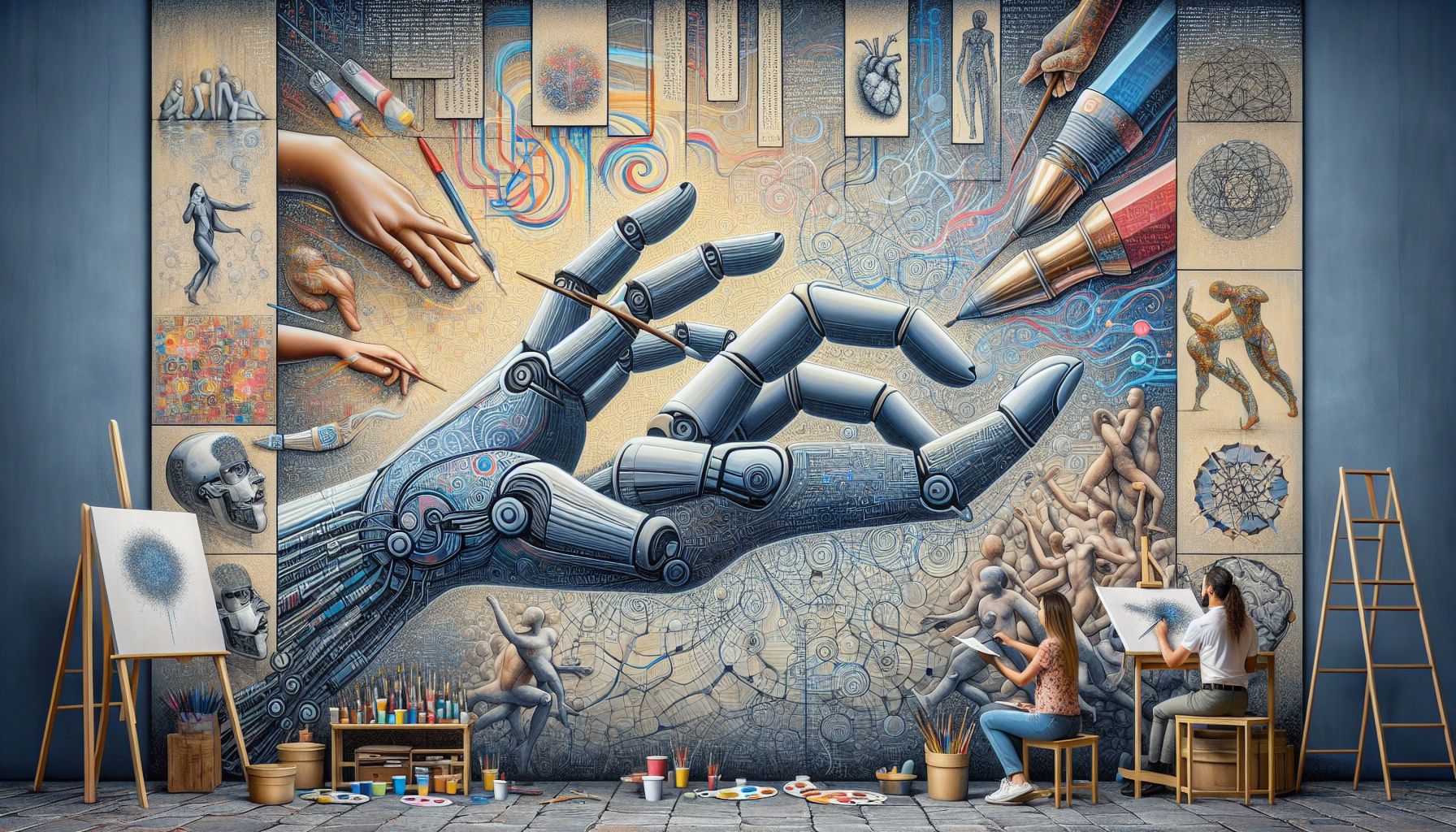
So where does this leave us? I think we’re heading toward a future where AI becomes less of a replacement and more of a creative partner. Think of it like having a really smart, slightly unpredictable collaborator who never needs coffee breaks but sometimes suggests adding tentacles to everything.
The artists who thrive will probably be those who learn to dance with the technology rather than fight it. They’ll use AI as a starting point, a source of inspiration, or a way to explore ideas they’d never considered. The human touch—our ability to feel, interpret, and add meaning—remains irreplaceable.
But honestly? I’m still figuring this out alongside everyone else. Some days I’m excited about the possibilities. Other days I worry we’re moving too fast without thinking about the consequences. What I do know is that creativity has always evolved with technology, from the invention of oil paints to digital photography. This is just the latest chapter.
Final Thoughts
Generative AI isn’t going away, and frankly, I’m curious to see where it takes us. Will it democratize creativity or flood the market with mediocrity? Will it inspire new forms of art or diminish the value of human expression? Probably a bit of both.
What excites me most is watching artists figure out how to make this technology truly their own. Because at the end of the day, creativity isn’t just about the tools—it’s about the stories we tell and the emotions we share. And that’s something uniquely, beautifully human.
Recent Comments