

The Concentration Crisis
The numbers tell a stark story. Across most developed nations, the wealthiest one percent now controls more assets than the bottom sixty percent of the population combined. This isn’t hyperbole or political rhetoric, it’s documented reality supported by decades of data from central banks, tax authorities, and international organizations.

The concentration has sped up dramatically since the 1980s. Where once a middle-class income could secure homeownership, retirement savings, and educational opportunities for children, those same pathways now require much higher earnings or substantial family wealth. The Inequality.org data shows patterns that persist across different political systems and economic structures, suggesting this isn’t just a matter of policy preferences but a basic shift in how wealth builds and transfers.
What makes this concentration particularly worrying is its self-reinforcing nature. Wealth generates returns through investments, real estate appreciation, and business ownership at rates that usually beat wage growth. Those without existing assets face rising costs for housing, education, and healthcare that eat up bigger chunks of their income, making wealth accumulation harder and harder.
Housing Costs Squeeze the Foundation
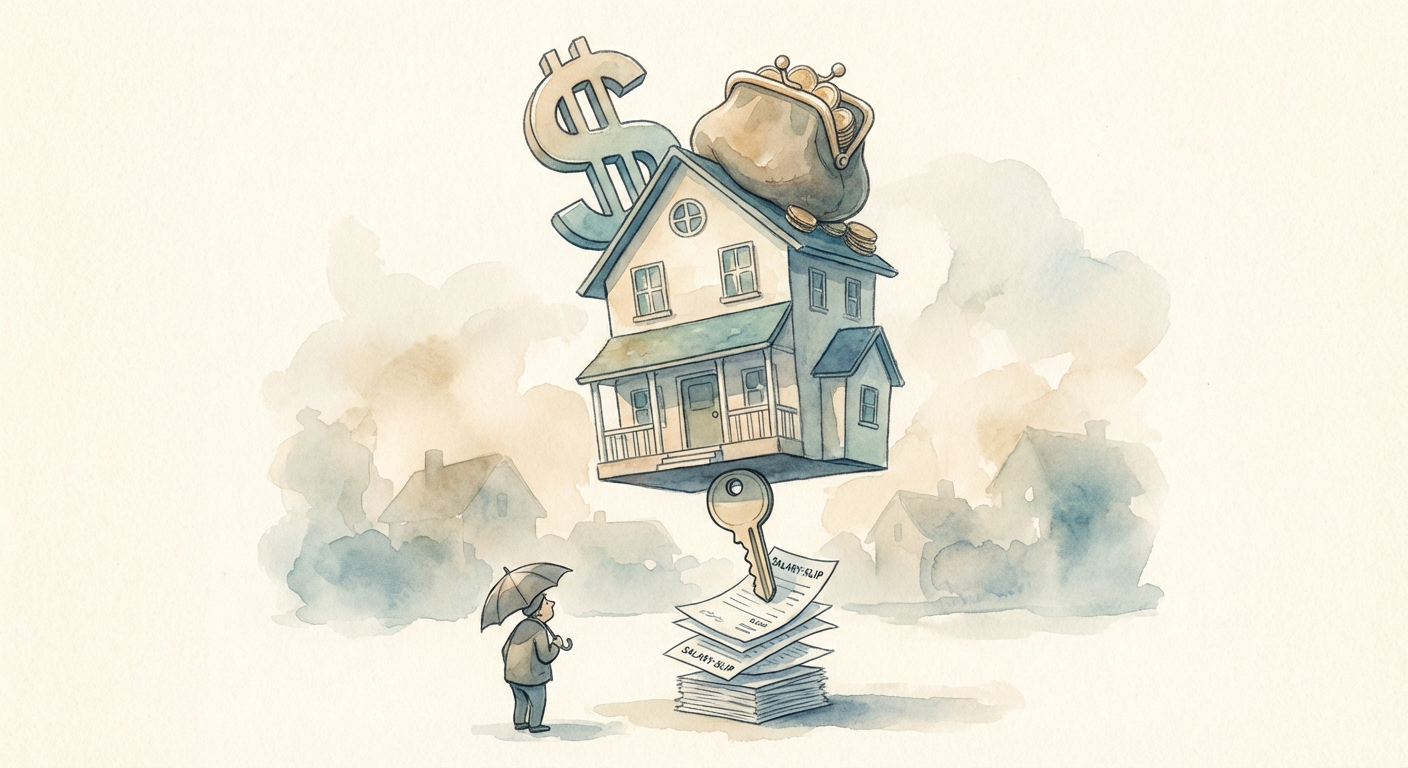
Nowhere is the wealth divide more visible than in housing markets. Across English-speaking countries, from Vancouver to Sydney, London to San Francisco, housing costs now eat up the highest percentage of household income in four decades. Young adults who would have been homeowners in previous generations now rent well into their thirties, if they can afford independent housing at all.
This housing crisis creates ripple effects throughout the economy. When families spend forty, fifty, or sixty percent of their income on shelter, they have less money for savings, education, starting businesses, or having children. Communities lose economic diversity as teachers, firefighters, and service workers can no longer afford to live where they work.
The implications go beyond individual hardship. When homeownership becomes available mainly to those with family wealth for down payments, property ownership transforms from a pathway to middle-class stability into a mechanism that preserves and expands existing wealth gaps rather than creating opportunities for advancement. It’s honestly pretty depressing when you think about it.
Policy Laboratories Testing New Approaches
Governments worldwide are experimenting with increasingly bold responses to these trends. Wealth taxes, once dismissed as politically impossible, are getting serious consideration in France and Spain, while several U.S. states explore implementation frameworks. These proposals target accumulated assets rather than just income, aiming to address the concentration of capital that generates ongoing returns for wealthy families.
Universal Basic Income pilots keep expanding following encouraging results from Finland, Wales, and Kenya. These programs test whether direct cash transfers can provide economic security without the bureaucratic mess of traditional welfare systems. Early findings suggest benefits for mental health, educational outcomes, and entrepreneurship, though questions remain about long-term fiscal sustainability and work incentives.
The Brookings Institution and other research organizations are tracking these experiments closely, noting that successful pilots often face scaling challenges when moved from controlled environments to broader implementation. The political economy of these policies, who benefits, who pays, and how constituencies organize around them, proves as important as their technical design.
Gig Economy Battles Define Worker Rights
The classification of gig workers has become a defining labor issue across developed economies. From European Union regulations to California’s Proposition 22, governments struggle to balance worker protections with the flexibility that makes platform-based services viable. The outcomes of these regulatory battles will shape how millions earn their livelihoods.
These debates reveal deeper tensions about economic security in an era of rapid technological change. Traditional employment relationships provided healthcare, retirement benefits, and unemployment insurance alongside wages. Gig work offers flexibility and accessibility but often lacks these protections, leaving workers exposed to risks that previous generations shared collectively.
Australia and the United Kingdom are developing hybrid models that attempt to preserve innovation while extending basic protections to platform workers. These approaches recognize that the binary choice between employee and contractor status may be inadequate for modern work arrangements. New frameworks need to accommodate diverse employment relationships, which is easier said than done.
Inheritance Becomes Destiny
Perhaps most troubling for social mobility, intergenerational wealth transfers are becoming the dominant factor determining life outcomes. Access to elite education, homeownership, business capital, and retirement security increasingly depends on family wealth rather than individual effort or talent. This is a fundamental shift toward what researchers describe as “patrimonial capitalism” where inheritance matters more than innovation or hard work.
The implications go beyond economics into social cohesion and democratic governance. When economic outcomes become largely predetermined by family background, public faith in meritocracy erodes. Political systems built on the promise of opportunity and advancement face legitimacy questions when those promises ring hollow for growing segments of the population.
Some countries are exploring inheritance tax reforms and educational finance changes to address these dynamics. Others focus on ensuring that basic needs like healthcare, education, and housing remain accessible regardless of family wealth. The effectiveness of these approaches will likely determine whether advanced economies can maintain social mobility or evolve toward more rigid class structures.
The evidence suggests we’re at a crossroads where small adjustments may prove insufficient. The policies being tested today, from wealth taxes to universal basic income to gig worker protections, represent attempts to address fundamental questions about how market economies can maintain broad-based prosperity. The outcomes of these experiments will shape economic and political structures for decades to come. No pressure, right?
Recent Comments