
Why Your Generation Should Actually Care About Something Called the Decennial Census
I know. The census sounds about as thrilling as filing taxes. But here’s the thing: the decisions being made about the 2030 Census right now will determine which communities get federal funding, which states gain or lose congressional power, and how your voice gets counted in democracy itself. And if you’re under 35, this affects you more directly than you might think.
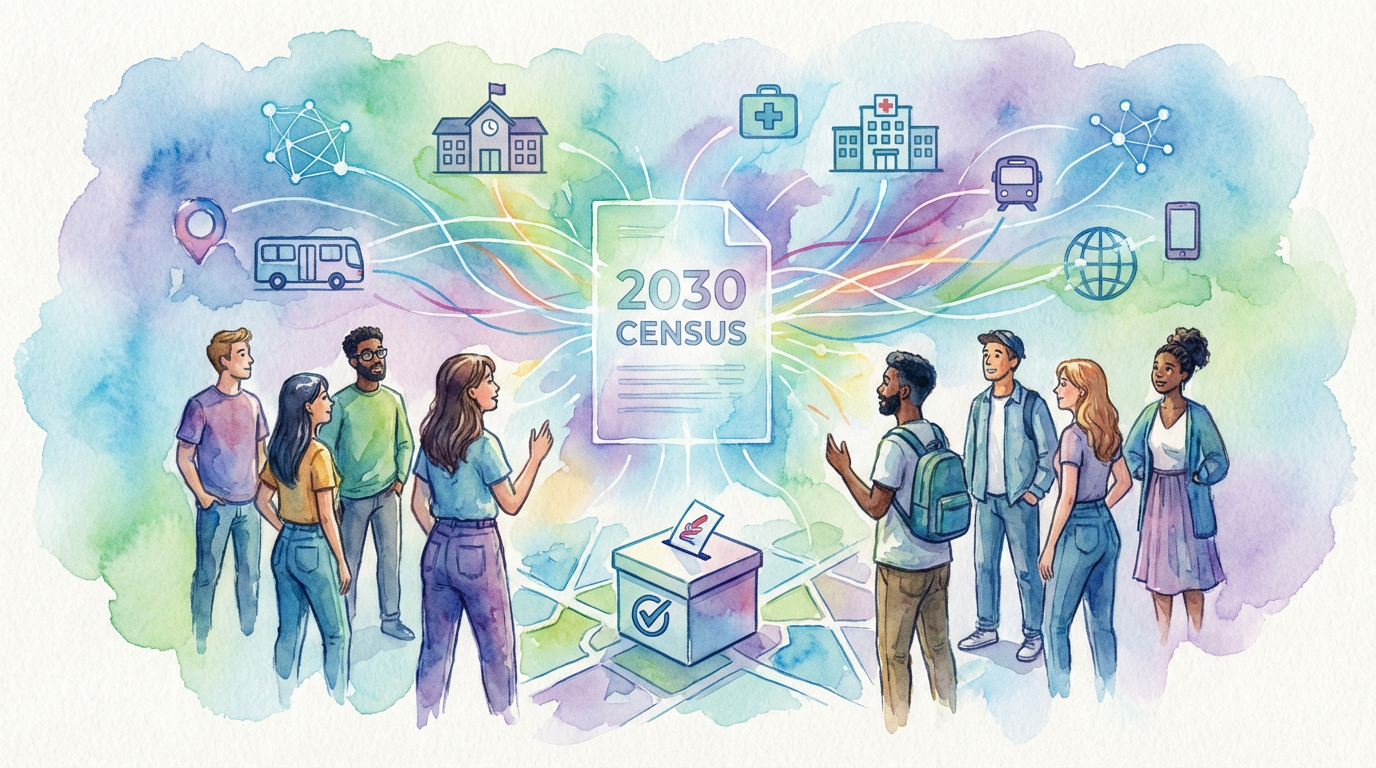
The Census happens every ten years. It’s constitutionally mandated. It’s also one of the most consequential exercises in data collection that most Americans never think about. The U.S. Census Bureau: 2030 Census Planning process is currently underway with a congressionally approved budget of $16.8 billion. Real money, real stakes, real political implications. But here’s where it gets complicated, and where we need to think clearly about what’s at risk.
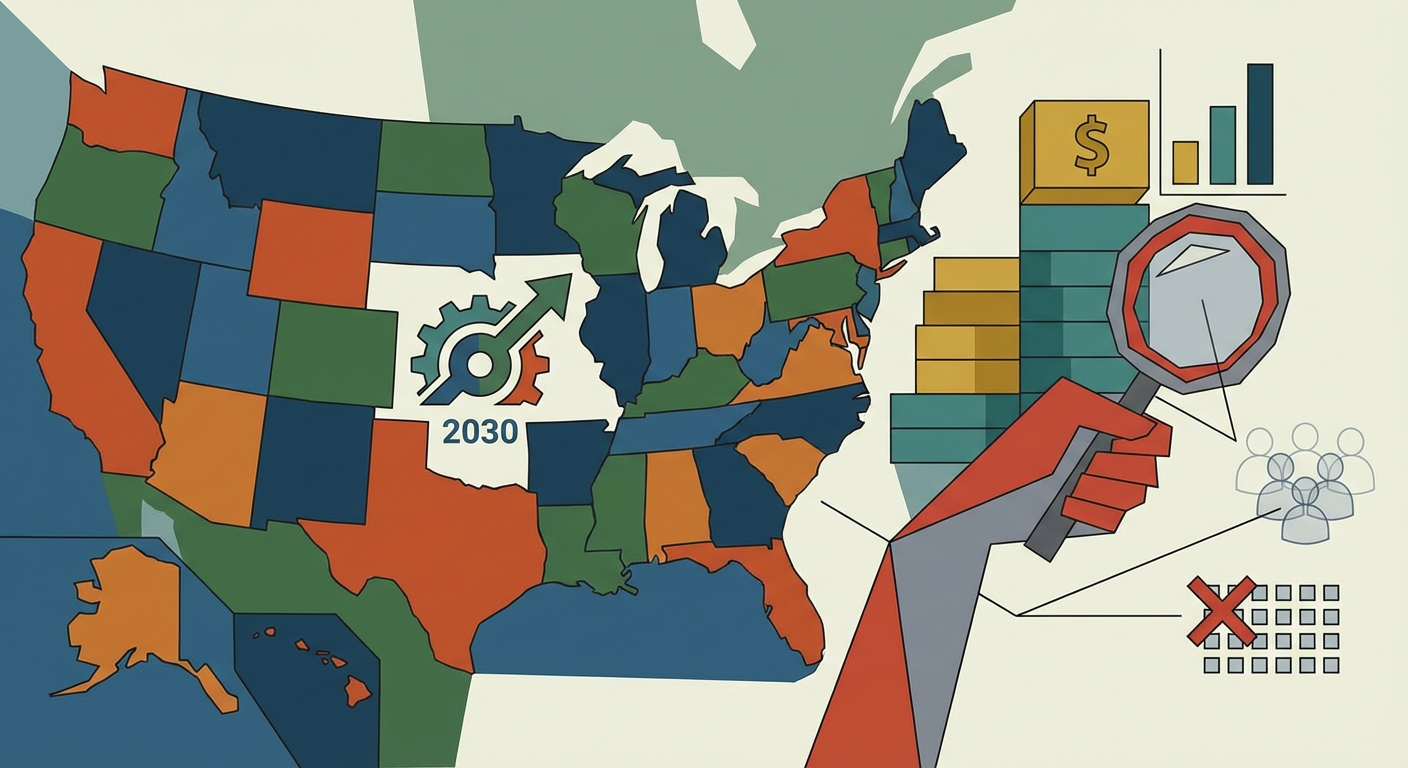
The Staffing Crisis: Why Budget Doesn’t Always Translate to Results
In early 2025, efficiency reviews initiated by DOGE placed roughly 800 Census Bureau positions under evaluation for potential elimination. Now, reasonable people can disagree about government spending. Some argue that every agency should constantly defend its budget. Others worry that cutting census staff right before the most complex enumeration in history is penny-wise and pound-foolish. Both positions deserve consideration.
The tension here is real. Accurate counting requires experienced workers who understand data quality, community outreach, and the logistics of reaching hard-to-count populations. But that expertise costs money. And if you believe government agencies should operate leaner, you might see the staff review as necessary accountability. The problem is timing. We’re five years out from the 2030 Census. Losing institutional knowledge now creates compounding inefficiency later. It’s not that one side is obviously right. It’s that efficiency and accuracy both matter, and they’re currently pulling against each other.
Your State’s Power in Congress Depends on How the Census Counts You
Here’s where it gets tangible. Based on demographic projections, the 2030 Census will trigger a significant reapportionment of all 435 House seats among the states. The Brookings Institution: Apportionment and Redistricting Projections suggest Texas could gain three congressional seats while California and New York could each lose one. That’s real political power shifting geographically.
But younger voters are reshaping the political map themselves. The 2025 American Community Survey revealed that for the first time, adults aged 18 to 34 outnumber Baby Boomers in 31 of 50 states. Your generation is already the larger demographic group in the majority of American states. That means your voting power is mathematically significant, if the Census counts you accurately. An undercount of young people in any state directly translates to that state having fewer House seats and less federal representation. This isn’t abstract civics. This is about your literal voice in Congress.
Follow the Money: Why Census Accuracy Affects Your Community’s Resources
The most sobering finding comes from 2025 Urban Institute research. If low-income populations are undercounted by just 1 percent in the 2030 Census, those communities lose approximately $1,800 per person annually in federal formula funding over the following decade. That’s not a rounding error. That’s a choice with measurable consequences.
Federal funding for schools, housing programs, transportation infrastructure, and health services all flow through formulas based on census data. When a community is undercounted, its allocation shrinks. Over ten years, that undercount compounds into millions of dollars diverted away from the communities that need it most. Young people and low-income populations have historically been undercounted. That’s not conspiracy thinking. That’s documented census history. So the question isn’t whether accuracy matters. It’s whether we’re adequately resourcing the infrastructure needed to ensure it, especially while simultaneously evaluating which staff positions to cut.
New Technology Creates Real Opportunities—And Real Questions
Here’s where it gets interesting. In late 2025, the Census Bureau announced it would pilot digital-first enumeration methods in 12 counties across five states before the 2030 count. This is the most significant methodology test since 2010. Digital approaches could reduce costs and reach people more efficiently. Some experts see this as how the bureau adapts to reality: more Americans live online, move frequently, and distrust of in-person government interactions has increased. Modernization makes sense.
But technology can solve some problems while creating others. Digital-first methods work great if you have reliable broadband, stable housing, and trust the government’s use of your data. They work less well in rural areas, for unhoused populations, and for communities that have legitimate historical reasons to distrust the census. We need to see the pilot data. We need transparency about what works and what doesn’t. New doesn’t automatically mean better, and old doesn’t automatically mean wrong. What matters is honesty about the tradeoffs and a genuine commitment to reaching everyone, not just the easiest people to count.
What You Can Actually Do About This
None of this is predestined. The 2030 Census’s accuracy, funding, methodology, and staffing are all ongoing conversations in Congress and within the Census Bureau. These aren’t closed questions answered by mysterious bureaucrats in DC. They’re shaped by budget decisions, policy choices, and pressure from constituents who pay attention.
Learn about your state’s specific projections. Ask your representatives whether they’re advocating for adequate census funding and transparent enumeration methods. Pay attention to which communities get counted and which ones historically haven’t. Volunteer for the census when you’re eligible. If you care about democracy actually reflecting reality, the census is where that work happens. It’s not glamorous. But it’s real. And right now, it’s still being shaped.
Recent Comments