
Hello, fellow tech enthusiasts! Today, let’s talk about something that’s been catching my attention in my creative corner: Artificial Intelligence in the creative arts. Yup, you heard it right. Those brush strokes, symphonies, or even novels you thought were purely human territory? AI’s making waves there, and honestly, it’s pretty wild.
The Unlikely Connection: Robots and Paintbrushes?
Now, let me give you a little backstory from yours truly. I once thought creativity was the one thing humans would always have over machines. I grew up thinking Picasso’s flair or Mozart’s genius was something completely out of reach for AI. Trust me, just about everyone I knew felt the same way. But what can I say? I’ve been proven wonderfully wrong.
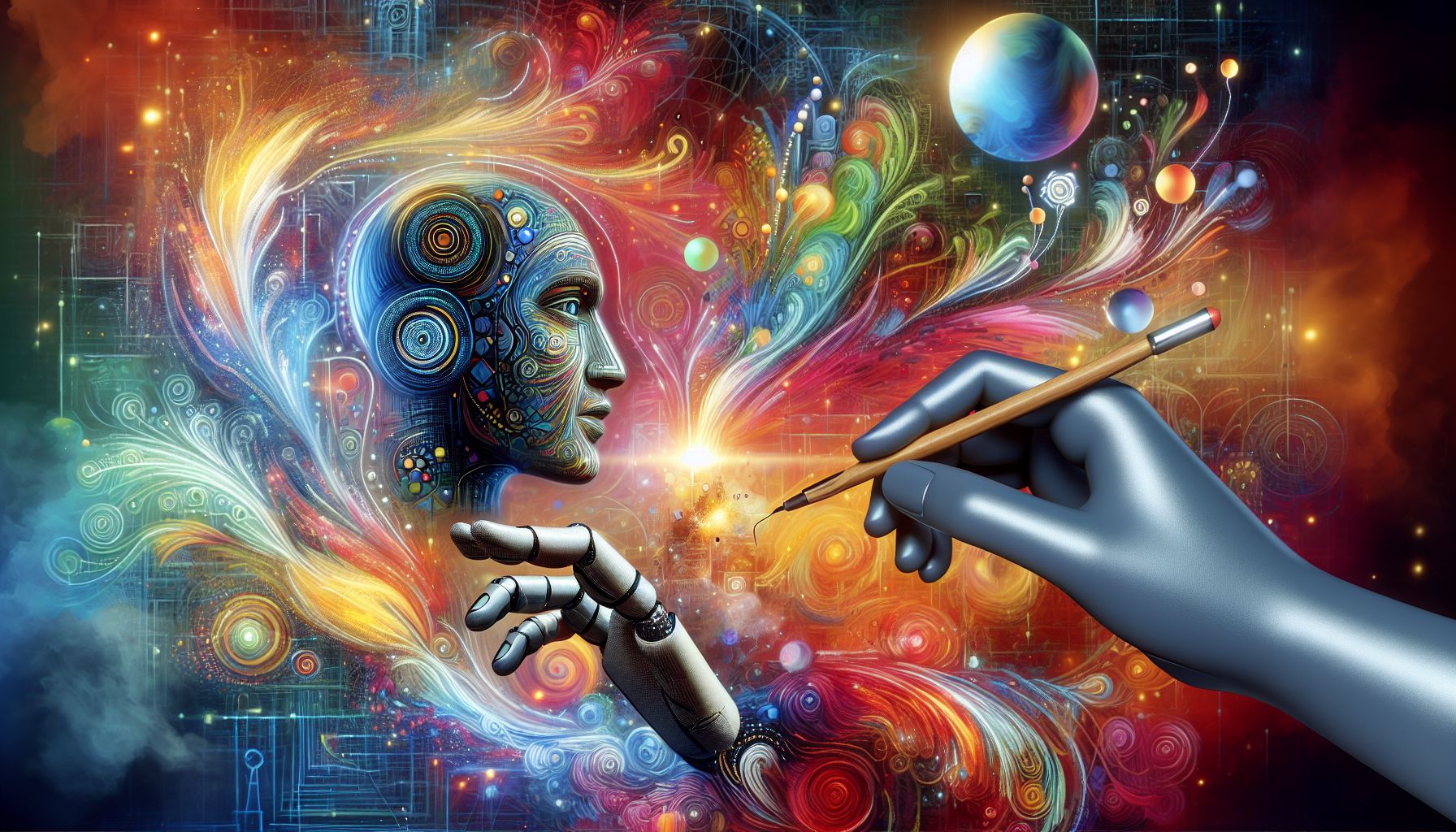
Picture this: an AI, working through neural networks, taking Antoine de Saint-Exupéry’s “Le Petit Prince” and turning it into original artworks without ever touching a pencil. Sounds like magic, right? We’ve got AI-generated portraits that copy van Gogh’s style or soundscapes that rival John Williams compositions, all without a single sweaty musician or crumpled sheet of music in sight.
How Are They Doing This, You Ask?
Alright, let’s get real here for a minute. The magic behind these AI creations is less romantic when you dig into the tech. Companies like OpenAI are developing algorithms that train on massive amounts of content to recognize and then copy patterns. The art “created” by an AI like DALL-E or Soundraw comes from an impossibly huge database, letting the algorithm capture emotions and styles and rebottle them into surprisingly realistic pieces. I mean, imagine a robotic Bob Ross, minus the “happy little accidents.”
Machine learning breaks down contexts in ways humans haven’t experienced since Morton Heilig started messing with our senses through his wild devices that combined scent, wind, and stereo audio back in the 60s.
But here’s the thing: despite all this data crunching, there’s still an emotional gap between how we appreciate art and cold, hard algorithms. And honestly? That’s what makes this whole thing so fascinating.
My Take: AI vs. Traditional Art
Being the enthusiastic human and amateur artist I am, I’ll always have a soft spot for art made by actual human hands on real canvas. But I’m starting to think these two worlds can work together instead of competing. Action cameras give us views our legs could never reach, and maybe AI in art isn’t betraying traditional masterpieces but adding something new to the mix.
When I look at AI art, I don’t see it replacing the emotional weight of a Mondrian or Kandinsky piece hanging in a gallery. There’s something different happening here. It’s like having a new tool that can surprise us, challenge our assumptions about creativity, and maybe even inspire us in unexpected ways.
What Happens Next?
I’m genuinely curious to see where this goes. Will AI become just another brush in the artist’s toolkit? Will we see entirely new art forms that blend human creativity with machine capabilities? I don’t have the answers, but I’m excited to find out. The skeptic in me wonders about authenticity and soul in art, but the tech geek in me can’t help but be amazed by what’s already possible.
Recent Comments