
Updated on March 9, 2026
Why Your Neighbor Who Runs the Food Pantry Has More Political Power Than You Think
The Tuesday Night Discovery
Last Tuesday at 7 PM, while most people were settling into Netflix, Maria Santos stood at a podium in a nearly empty city council chamber. She’d never spoken publicly before. Her hands shook as she read from notes about the broken streetlights in her neighborhood—how kids couldn’t walk safely to school, how elderly residents were falling on dark sidewalks. Five minutes later, the council voted unanimously to fast-track repairs. The lights were fixed within two weeks.
Maria discovered something most Americans never realize: local government actually listens. While federal politics feels like shouting into the void, city councils, school boards, and county commissioners desperately want to hear from residents. They have small budgets, immediate problems, and elections decided by hundreds of votes, not millions. This is where democracy still works the way your high school textbooks promised it would.
Start Where Your Voice Actually Matters
Here’s what the numbers show: local engagement gets results. A 2019 study by the International City/County Management Association found that cities with higher resident participation had 23% faster response times to infrastructure complaints and 18% higher satisfaction with municipal services. When people show up, things improve.
Your city council probably meets twice monthly in a room that seats fifty people, with an average attendance of twelve. Your school board controls a budget that directly affects your property values and your children’s futures. These groups decide police funding, housing development, library hours, and whether your street gets repaved this decade or next. Skip these meetings and other people make choices about your daily life without your input.
Check your city’s website for meeting schedules and agendas. Most have public comment periods—typically three minutes to address any topic. That’s more speaking time than most voters get with their federal representatives in a lifetime. Pro tip: arrive early to sign up, and bring a printed copy of your remarks even if you plan to speak off the cuff.
Research Like Your Property Taxes Depend On It
Before you vote or speak at meetings, do the homework that separates effective advocates from well-meaning noise makers. Start with Ballotpedia.org, which has nonpartisan information about candidates and ballot measures down to the municipal level. For local races, check candidate websites, attend forums, and read their responses to questionnaires from organizations like the League of Women Voters.
Follow the money through campaign finance reports, usually available on your county clerk’s website. A school board candidate funded primarily by developers might prioritize different issues than one supported by teachers’ unions. Neither funding source disqualifies them, but knowing their financial backing helps you understand their likely priorities.
Read your local newspaper, even if it’s just the website. Many struggling local outlets publish city council meeting summaries that save you hours of video watching. The Bend Bulletin in Oregon consistently breaks down complex zoning decisions into readable explainers that help residents understand how development affects their neighborhoods.
Build Power Through Strategic Showing Up
Effective civic engagement isn’t about individual heroics. It’s about sustained, strategic participation. Find your people by attending neighborhood association meetings, joining issue-specific groups, or volunteering for campaigns that align with your values. The Sierra Club chapter that stopped a harmful development, the parents group that improved school lunches, the residents who convinced their city to add bike lanes—they all started with a few people showing up consistently.
Document everything. Take photos of problems you want addressed. Screenshot social media posts from elected officials. Save email correspondence. When you speak at public meetings, reference specific dates, ordinance numbers, and previous statements by officials. This preparation shows you’re serious and informed, not just venting.
Timing matters enormously. Budget season (typically spring for most municipalities) gives you the best opportunities to advocate for funding priorities. School board elections in off-years often have turnout rates below 15%, meaning your vote counts more. Pay attention to when decisions get made, not just when they get announced.
Connect Your Daily Life to Civic Systems
Every frustration in your community connects to a decision someone made in a government meeting you probably didn’t attend. The pothole that ruins your alignment? That’s a roads budget priority set by your county commissioners. The overcrowded classroom affecting your child’s education? That’s a school board decision about class size limits and teacher hiring. The homeless encampment that appeared in your neighborhood? That’s housing policy, mental health funding, and zoning decisions made at multiple government levels.
Start tracking these connections by keeping a simple log for one month. When you encounter a civic problem—slow emergency response, poor road conditions, inadequate public transit—research which government body has jurisdiction and when they meet. This exercise reveals how many decisions affecting your life happen in rooms where you’ve never been.
Remember that change often takes years, not months. The community group that successfully fought a proposed casino in their neighborhood met monthly for three years, attended dozens of meetings, and built relationships with officials long before the final vote. Real civic engagement requires patience and persistence, not just passion.
Your Next Tuesday Night
Maria Santos didn’t transform into a civic superhero overnight. She simply decided that dark streets weren’t acceptable and that someone with decision-making power needed to hear about it directly. Six months later, she’s a regular at city council meetings, knows three council members by name, and chairs her neighborhood watch group.
Democracy works best when practiced regularly, not just during presidential elections. Your city council meets next Tuesday. Your school board probably meets Thursday. These meetings will shape your community whether you’re there or not. The only question is whether you’ll be in the room when it happens.
Updated on March 9, 2026
What 1960s Lunch Counters Taught Us About Modern Door-to-Door Canvassing
The Power of Small Spaces
When four Black college students sat down at a Woolworth’s lunch counter in Greensboro, North Carolina on February 1, 1960, they weren’t just ordering coffee. They were demonstrating something organizers still use today: the principle of claiming small, specific spaces to create big change. The lunch counter became their organizing ground because it was concrete, visible, and impossible to ignore.
Today’s community organizers use the same principle when they choose doorsteps over social media posts. Just like those students picked a lunch counter where segregation was most visible and vulnerable, modern canvassers target specific neighborhoods where they can have real conversations about real problems. The space matters as much as the message.
One-to-One Relationships Build Movements
The sit-in movement spread to 55 cities within two months not because of mass rallies, but because individual students talked to their friends, roommates, and classmates. Each conversation created another organizer. This is exactly how Saul Alinsky’s Industrial Areas Foundation trained organizers in Chicago during the 1940s and 50s. It’s still the backbone of effective community organizing today.
Modern organizations like the Texas Industrial Areas Foundation use what they call “relational meetings.” An organizer sits down with a potential ally for coffee and asks three simple questions: What’s your story? What are you passionate about? What would you like to see change? These aren’t interviews or recruitment pitches. They’re relationship-building sessions that mirror the informal conversations that spread the sit-in movement from Greensboro across the South.
The National Domestic Workers Alliance organizes nannies, housecleaners, and caregivers the same way. They start with house parties where workers share stories about wage theft or dangerous working conditions. One conversation becomes ten, ten becomes a house meeting, house meetings become campaigns for local ordinances protecting domestic workers’ rights.
Research Creates Leverage
Civil rights organizers didn’t just show up at lunch counters randomly. They researched which businesses were most vulnerable to economic pressure, which had corporate headquarters in Northern cities, which relied heavily on Black customers for other parts of their business. This research gave them leverage.
Community organizers today spend just as much time in city halls and corporate filing databases as they do knocking on doors. Before launching a campaign to stop a proposed waste facility, environmental justice groups research the company’s other projects, their permit history, their political donations, and their corporate relationships. They map decision-makers and find pressure points.
The Industrial Areas Foundation teaches organizers to create what they call “power maps.” Draw circles representing all the players in an issue. Draw lines showing relationships between them. Mark who has formal authority, who has informal influence, and who has what kinds of interests. This isn’t academic exercise. It’s battle preparation that determines which doors to knock on and which arguments to make.
Timing Turns Tactics Into Strategy
The lunch counter sit-ins worked partly because they happened during a specific historical moment when television news was becoming central to American life, Northern white liberals were increasingly uncomfortable with Southern segregation, and the Cold War made racial injustice embarrassing on a global stage. The tactic succeeded because organizers understood their moment.
Modern community organizers track city council meeting schedules, budget cycles, and election calendars with the same attention to timing. A campaign to increase affordable housing funding launches during budget season, not during summer recess. Tenant organizers time rent control campaigns to coincide with highly publicized evictions, when public attention is focused and city council members feel pressure to act.
The Fight for $15 movement demonstrates this kind of strategic timing. Fast food workers didn’t pick random days to strike. They coordinated walkouts with earnings reports from major fast food corporations, creating a narrative contrast between record profits and poverty wages that journalists couldn’t ignore.
Escalation Requires Patience and Planning
The sit-in movement escalated gradually from four students to thousands, from lunch counters to bus stations to voter registration drives. Each step built on the previous one. Organizers tested their strength, learned from mistakes, and gradually expanded their scope and ambition.
Community organizing follows the same progression today. A neighborhood group fighting slumlords starts with building code complaints, moves to rent withholding, then organizes larger tenant strikes, and eventually campaigns for stronger rental inspection ordinances. Each escalation teaches organizers and community members new skills while building their confidence and power.
The key is what organizers call “cutting issues.” Start with problems you can actually win, even if they’re smaller than your ultimate goal. Victory creates momentum, teaches skills, and builds the relationships necessary for bigger fights. The students who organized lunch counter sit-ins learned lessons about media, police response, and coalition-building that prepared them for Freedom Rides and voter registration campaigns.
The Long View of Democratic Participation
Those four students sitting at a lunch counter in 1960 weren’t trying to integrate one restaurant. They were claiming their place in American democracy. That’s what community organizing is really about: creating spaces where ordinary people can exercise political power and hold institutions accountable.
Whether organizers are fighting for affordable housing, clean water, or living wages, they’re using tactics that teach participants how democracy actually works. They’re creating what political scientist Hahrie Han calls “civic capacity.” People learn to research issues, build coalitions, pressure decision-makers, and hold politicians accountable. These are the skills democracy requires to function.
The next time you see neighbors organizing against a proposed development or fighting for better schools, look for the patterns that connect their work to those students in Greensboro. How are they building relationships? Where did they do their research? What does their escalation strategy look like? The tactics change with the times, but the principles remain remarkably consistent across decades of democratic struggle.

Updated on March 9, 2026
From Tea Parties to Town Halls: What Revolutionary Fundraising Can Teach Modern Grassroots Campaigns
The Revolutionary Roots of Small-Dollar Democracy
When Samuel Adams needed to fund the Boston Tea Party, he didn’t turn to wealthy merchants or foreign donors. Instead, he organized what we’d recognize today as the first American grassroots fundraising campaign. Adams and his fellow organizers went door-to-door, held meetings in taverns, and passed the hat at church gatherings. They understood something that modern campaign strategists are rediscovering: democracy works best when ordinary people have a stake in its success.
The Committees of Correspondence that Adams helped establish weren’t just communication networks. They were fundraising machines. Each committee contributed what it could to support the broader movement, whether that meant covering travel expenses for delegates or purchasing printing materials for pamphlets. This distributed model of financial support created a movement that couldn’t be easily dismantled by targeting a few wealthy backers.
Today’s grassroots campaigns face remarkably similar challenges. Like colonial organizers, modern activists must compete against well-funded opposition while building sustainable movements from the ground up. The lessons from 1773 remain surprisingly relevant. Successful grassroots fundraising requires community building first, clear messaging about shared values, and organized systems that empower local participation.

The Infrastructure of Trust: Building Your Donor Base Like a Movement
The most successful historical fundraising efforts weren’t transactions. They were relationships. The underground railroad, for instance, relied on a network of supporters who contributed everything from spare bedrooms to travel funds. These donors weren’t motivated by tax benefits or recognition dinners. They gave because they understood their role in a larger moral mission and trusted the organizers to use resources well.
Modern grassroots campaigns can replicate this trust-building approach by focusing on relationship building over immediate asks. Start with your existing networks: your neighbors, fellow volunteers, people who share your concerns about local issues. These initial supporters become your foundation, not just for their financial contributions but for their ability to vouch for your campaign within their own circles.
Here’s what I’ve learned from studying historical movements: sustainable fundraising follows a pattern. Community first, cause second, candidate third. People give to support neighbors they trust, advancing causes they believe in, through vehicles that seem effective. This means your early fundraising efforts should focus less on polished campaign materials and more on authentic conversations about shared values and concrete goals.
Consider hosting house parties or coffee shop meetings where potential supporters can ask questions directly. These intimate settings mirror the tavern meetings that fueled colonial organizing. They allow people to understand not just what you’re asking for, but why their participation matters to the broader community effort.
The Power of Small Acts: Lessons from Labor Organizing
The labor movement of the early 20th century mastered the art of turning modest individual contributions into significant collective power. Union organizers didn’t rely on wealthy benefactors. Instead, they developed sophisticated systems for collecting small, regular contributions from working families. Each member contributed what they could afford, creating a funding base that reflected the movement’s democratic values.
These organizers understood that asking for money was really asking for commitment. A worker who contributed fifty cents to the strike fund wasn’t just providing financial support. They were declaring their stake in the outcome. This psychological investment created stronger, more resilient movements because supporters felt genuine ownership over the cause.
Modern campaigns can adapt this approach by emphasizing recurring small donations over one-time large gifts. Set up systems that make it easy for supporters to contribute modest amounts regularly, whether that’s five dollars monthly or twenty dollars quarterly. These ongoing relationships create predictable revenue streams and deepen supporter engagement over time.
The labor movement also pioneered transparent accountability in fundraising. Union members knew exactly how their contributions were being used because organizers provided regular, detailed reports. This transparency built trust and encouraged continued participation. Today’s campaigns should embrace similar openness, sharing specific information about how funds are allocated and what concrete outcomes donations have achieved.
Digital Tools, Timeless Principles
While the technology has changed dramatically, the fundamental dynamics of successful grassroots fundraising remain consistent with historical patterns. The most effective modern campaigns use digital platforms to recreate the personal connections and community accountability that characterized earlier movements.
Social media fundraising works best when it functions like those colonial tavern meetings: creating spaces for genuine conversation and shared purpose rather than simply broadcasting appeals. Use platforms like Facebook or Instagram to tell stories about your campaign’s impact on real people. Share updates that help supporters feel connected to concrete progress, just as underground railroad organizers shared news about successful journeys to freedom.
Email fundraising can replicate the intimacy of historical organizing by focusing on relationship-building over transaction completion. Write messages that sound like personal letters to friends rather than mass marketing campaigns. Share your own story about why this work matters to you personally, and invite supporters to share their own experiences and motivations.
Crowdfunding platforms offer modern versions of the subscription drives that funded early newspapers and abolitionist publications. These platforms work best when they emphasize community participation over individual generosity. Frame your campaign as an opportunity for supporters to join something larger than themselves, rather than simply asking them to fund your personal political ambitions.
Making History in Your Own Backyard
The most important lesson from historical fundraising movements is that ordinary people can create extraordinary change when they work together with purpose. Every successful grassroots campaign starts with someone deciding that their community deserves better representation and then building the relationships necessary to make that vision reality.
Your fundraising strategy should reflect your democratic values: broad-based participation, transparent accountability, and genuine respect for every contributor’s investment in your shared success. Whether you’re raising money for a school board campaign or a ballot initiative, remember that you’re not just collecting donations. You’re building a community of people who believe their participation can make a real difference.
The revolutionaries who dumped tea in Boston Harbor understood something we sometimes forget: democracy isn’t a spectator sport, and neither is political fundraising. Every small contribution represents someone choosing to participate in shaping their community’s future. That’s worth celebrating, worth protecting, and worth organizing around. What conversations will you start in your own community this week?
Updated on March 9, 2026
Your Street Corner Is a Democracy Lab: How to Turn Neighborhood Frustrations Into Real Change
Why Your Pothole Complaint Is Actually Political Power
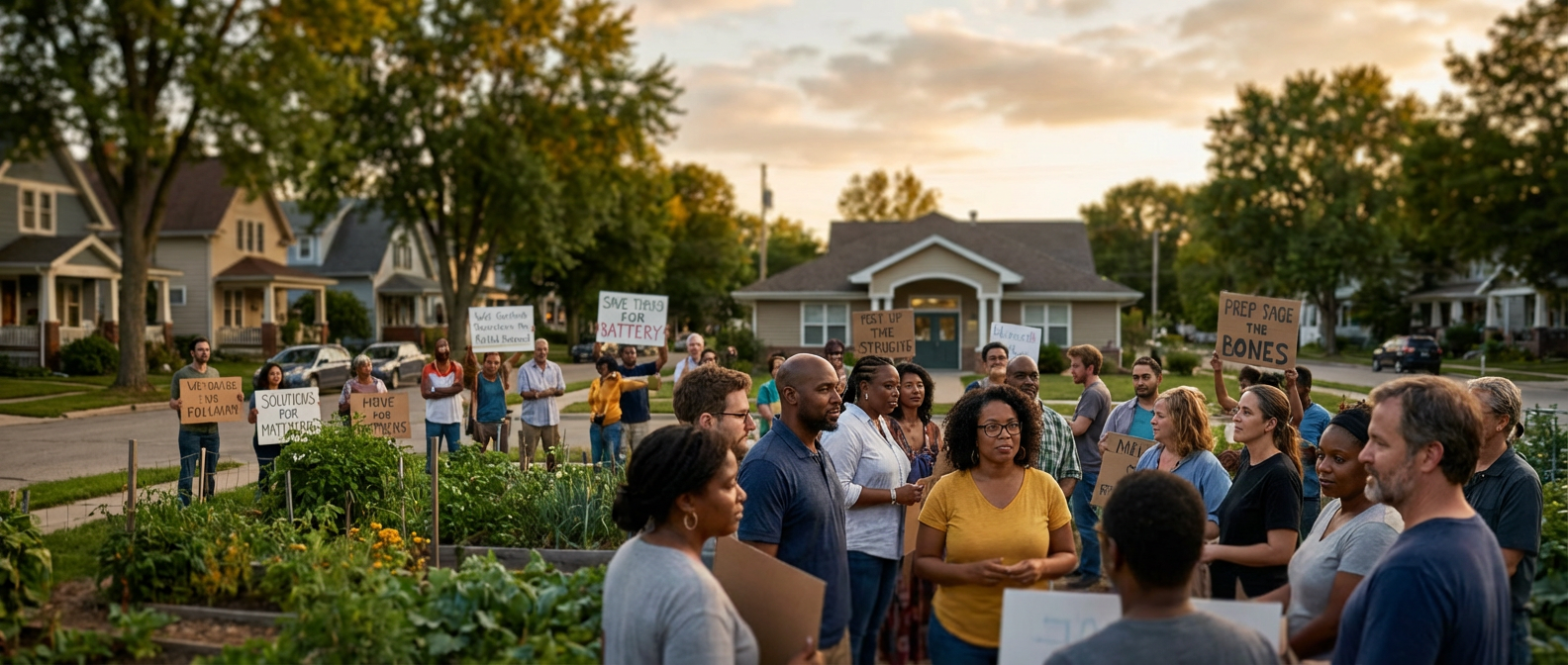
That broken streetlight you’ve been cursing during your evening walks? The persistent pothole that’s become a neighborhood landmark? These aren’t just inconveniences, they’re your entry point into the most accessible form of democracy we have. Local issues are where ordinary residents discover they can actually move the levers of government, often with surprising speed and effectiveness.
I’ve watched neighbors transform from frustrated complainers to confident advocates countless times. It usually starts with something small and concrete. Sarah from my old block began with a simple question about why the crosswalk near the elementary school didn’t have a stop sign. Six months later? She was addressing the city council about traffic safety protocols and had organized a neighborhood watch program. The stop sign was just the beginning.
Local government operates on a completely different scale than state or federal politics. Your city council member probably represents fewer than 10,000 people. Your school board member might know your name. These officials deal with real problems that directly affect daily life, and they’re remarkably responsive when residents approach them with clear, specific concerns backed by a little community support.

Building Your Issue Coalition: Start With Coffee, Not Committees
The most effective neighborhood organizing I’ve seen started with informal conversations, not formal meetings. When residents on Maple Street wanted to address speeding traffic, they didn’t immediately call for a town hall. Instead, they started talking to neighbors while walking dogs, chatting over backyard fences, and connecting during school pickup. By the time they approached the city, they knew exactly who shared their concerns and what solutions might actually work.
Your coalition doesn’t need to be huge to be effective. Five households with a well-researched proposal often carry more weight than twenty signatures on a petition without context. Focus on finding neighbors who are directly affected by the issue and willing to learn about potential solutions. Look for people with different skills and perspectives. Someone who works in construction might understand infrastructure challenges. A parent might know school district procedures.
Document everything as you go. Take photos of problems, track when issues occur, and note any safety concerns. Create a simple shared document where neighbors can add their observations and contact information. This groundwork becomes invaluable when you’re ready to present your case to officials who need concrete data to justify action.
Navigating City Hall: Your Local Government Decoder Ring
Most people have no idea how their local government actually works. That’s partly by design since these systems evolved over decades without much thought for citizen accessibility. But once you understand the basic structure, you’ll see multiple entry points for influence. Your issue might fall under public works, planning and zoning, parks and recreation, or public safety. Each department has different procedures and timelines.
Start by identifying the right office. City websites often have organizational charts that show which department handles what. If you’re unsure, call the main city number and ask. Most municipal employees are genuinely helpful when residents approach them politely and specifically. Don’t be discouraged if you get transferred a few times. This is normal and helps you understand the process.
Learn the meeting schedule and public comment procedures for relevant boards and councils. Most local governments have predictable patterns. City council meets the first Tuesday of each month, planning commission meets the third Thursday. Public comment periods usually allow three minutes per speaker, which sounds short but is plenty of time for a focused, specific request. Practice your remarks beforehand, and bring written copies for the officials.
Timing matters enormously in local government. Budget discussions happen annually, often between February and June. Major policy changes frequently require multiple meetings and public hearings. If your issue involves spending money, you’ll have better luck approaching officials before budget discussions begin rather than after decisions are finalized.
From Problem to Solution: Making Your Case Stick
Effective neighborhood advocacy requires shifting from complaint mode to solution mode. Officials hear about problems constantly. They get energized by residents who come with research, alternatives, and realistic expectations. When the residents on Oak Avenue wanted better pedestrian lighting, they didn’t just complain about darkness. They researched lighting options, identified funding mechanisms, and presented three different approaches with cost estimates.
Research similar solutions in comparable communities. Most cities face similar challenges, and officials appreciate learning what’s worked elsewhere. A five-minute internet search can reveal how other communities addressed traffic calming, parking issues, or neighborhood beautification. This research shows you’re serious and helps officials justify their decisions to colleagues and constituents.
Be prepared to compromise and think long-term. Your ideal solution might not be immediately feasible, but a partial solution now can create momentum for larger changes later. The neighborhood that wanted a new playground started by successfully advocating for playground equipment repairs, which demonstrated community engagement and built relationships with parks department staff. The new playground came two years later, funded through a bond measure the same neighbors helped support.
Follow up consistently but respectfully. Local officials juggle dozens of issues at once, and polite persistence helps keep your concern visible. Send brief email updates when you have new information, attend relevant meetings even when your issue isn’t on the agenda, and acknowledge progress publicly when it occurs.
Victory Laps and Next Steps: Building on Success
When you achieve your goal (and you probably will, if you follow these steps), take time to celebrate and document what worked. Successful neighborhood organizing creates a foundation for addressing future issues and often reveals residents’ hidden talents for civic engagement. The skills you develop advocating for a stop sign transfer directly to school board advocacy, budget oversight, and electoral politics.
Share your success story with other neighborhoods facing similar challenges. Most local newspapers welcome well-written letters about positive community changes, and social media makes it easy to connect with residents in other areas. Your experience becomes a template that other neighbors can adapt for their own issues.
Think about the bigger picture of your work. Neighborhood organizing strengthens democratic participation by showing residents they can influence decisions that affect their daily lives. Every successful local advocacy effort creates more engaged citizens who understand how government works and feel confident approaching officials with future concerns.
Start small, stay focused, and remember that local democracy works best when ordinary residents participate actively and consistently. Your neighborhood issue might seem minor in the grand scheme of politics, but it’s exactly the right size for learning how to be an effective citizen. What problem in your area has been bothering you long enough to finally do something about it?
Updated on March 9, 2026
The Numbers Don’t Lie: What Actually Works in Grassroots Political Fundraising
Small Dollar Donations Aren’t Just Feel-Good Stories
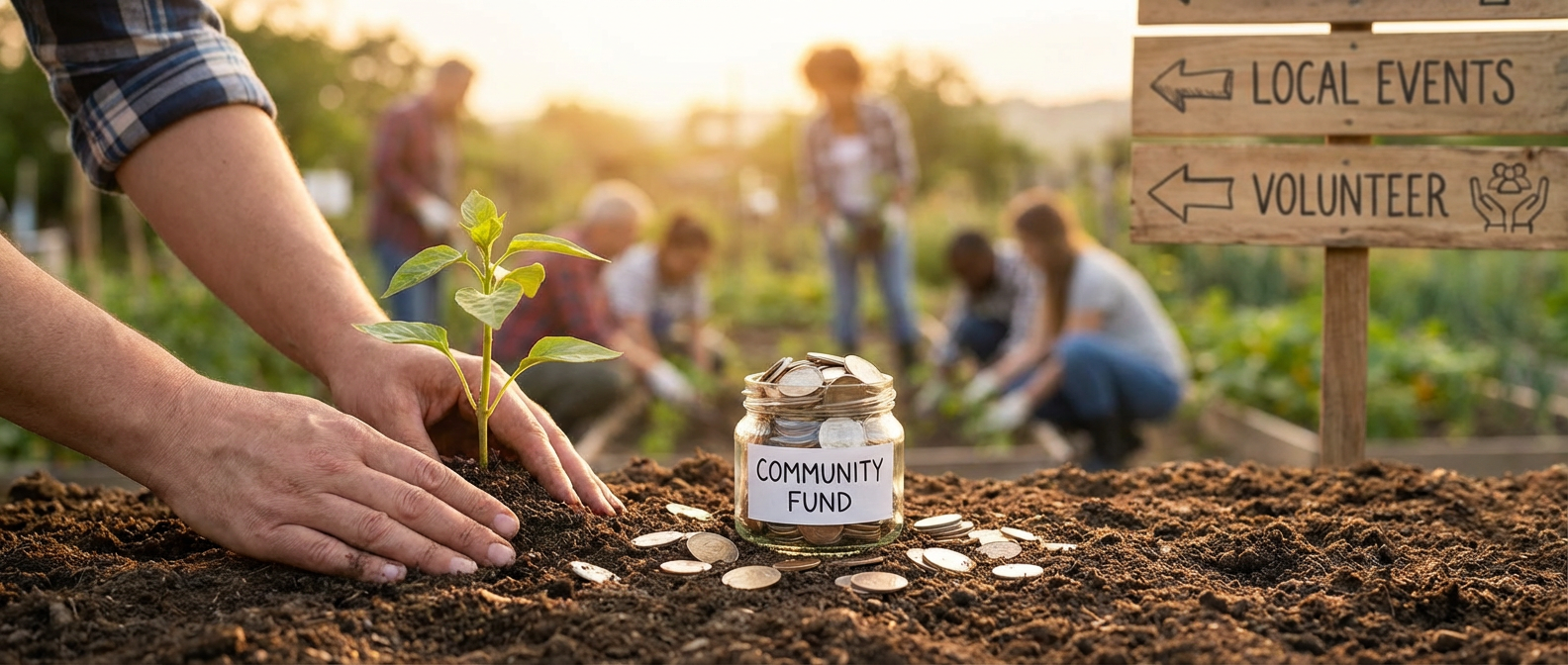
Here’s the data that might surprise you. According to the Center for Responsive Politics, campaigns that built strong small-dollar donor bases in 2022 saw an average of 34% higher voter turnout in their districts compared to campaigns relying primarily on large donors. This isn’t coincidence. When people invest financially in a campaign, even just $25, they become stakeholders rather than spectators.
The ActBlue and WinRed platforms processed over $4.2 billion in small donations during the 2022 cycle, with the average contribution hovering around $42. But here’s what the aggregate numbers miss: campaigns with the highest small-dollar success rates weren’t necessarily the most well-known candidates. They were the ones who figured out the fundamentals of relationship building at scale.
Local campaigns consistently outperform federal races in conversion rates for first-time donors. A city council candidate in Portland, Oregon can expect roughly 3.2% of their email subscribers to make a donation, while House candidates typically see rates closer to 1.8%. The proximity factor matters. People can picture their $50 helping fix that pothole or improving their kid’s school in ways that feel abstract when applied to national politics.

Peer-to-Peer Networks Beat Celebrity Endorsements Every Time
The most effective grassroots fundraising happens when campaigns turn supporters into fundraisers. Research from the Institute for Democracy and Electoral Assistance shows that donations solicited through personal networks convert at rates 6.7 times higher than cold outreach efforts. Your neighbor asking for $20 carries more weight than a glossy mailer from a candidate you’ve never met.
Successful campaigns create structured peer-to-peer programs rather than hoping supporters will spontaneously become fundraisers. The best systems give templates, talking points, and specific ask amounts. One county commissioner race in Michigan raised 68% of their total budget through supporter-led house parties, each with a modest goal of $500. The campaign gave the framework, supporters brought the relationships.
Digital tools have made peer-to-peer fundraising more trackable and scalable. Platforms like Crowdpac and NationBuilder allow supporters to create their own fundraising pages, complete with personal stories about why they’re backing a candidate. The data shows that supporter-created content performs better than campaign-generated appeals, with 23% higher click-through rates and 31% higher conversion rates.
Timing and Frequency: The Science of When to Ask
Campaign finance reports reveal clear patterns about when donors give, and smart campaigns align their outreach accordingly. Tuesday through Thursday emails see the highest open rates (22.3% average), while weekend appeals often get buried. But here’s something weird: Saturday morning texts have the highest response rates for urgent fundraising pushes, probably because people have time to read and respond thoughtfully.
The frequency sweet spot varies by donor tier, and campaigns that segment their communications accordingly raise significantly more money. First-time donors should get no more than one fundraising appeal per week, while repeat donors can handle two or three without showing fatigue. Major donor prospects require a completely different approach, with quarterly check-ins and personal calls rather than mass email campaigns.
Monthly recurring donations have become the holy grail of campaign finance, giving predictable revenue streams that allow for better budget planning. Campaigns that successfully convert supporters to recurring gifts typically see their monthly fundraising baseline increase by 40-60% over the course of an election cycle. The key is making the recurring option prominent but not pushy, often positioned as a “sustaining member” program rather than an automatic deduction.
Local Events Still Outperform Digital-Only Strategies
Despite the digital revolution in political fundraising, face-to-face events continue to deliver the highest per-attendee revenue and the strongest donor retention rates. A well-executed house party typically generates $2,800 in donations, while virtual events average $1,200. The difference isn’t just about the check-writing. It’s about the relationship building that happens over coffee and cookies.
The most successful grassroots campaigns blend digital efficiency with in-person relationship building. They use online tools to identify potential hosts and track RSVPs, but they never lose sight of the fact that politics is fundamentally about human connections. One state legislative candidate in Arizona attributes her victory to a series of 47 living room conversations that raised money, identified volunteers, and gathered voter commitments simultaneously.
Community events give fundraising opportunities that feel natural rather than transactional. Candidates who show up at farmers markets, school board meetings, and neighborhood association gatherings often find donors in unexpected places. The investment of time pays dividends in both immediate contributions and long-term supporter development. People give money to candidates they know, like, and trust, and those relationships still form most effectively in person.
Transparency and Accountability Drive Repeat Giving
Donors want to know their money is being used effectively, and campaigns that give regular updates on spending and strategy see 45% higher rates of repeat donations. This goes beyond the legally required finance reports that most voters never read. Smart campaigns send monthly updates showing exactly how donations translated into voter contacts, volunteer hours, and measurable progress toward campaign goals.
The most compelling fundraising appeals include specific budget breakdowns. Rather than asking for generic support, effective campaigns explain that “$50 covers voter outreach to 200 households” or “$100 funds a week of digital advertising in key precincts.” Donors appreciate knowing their contribution has a real impact, and specific asks consistently outperform vague requests for help.
Thank-you processes matter more than most campaigns realize. Quick, personalized acknowledgments lead to higher lifetime donor value. The campaigns that excel at this send handwritten notes for larger gifts, include donors in private updates, and invite major supporters to behind-the-scenes strategy sessions. Recognition doesn’t have to be expensive, but it must be genuine and timely.
The best part about studying grassroots fundraising is watching democracy work at its most basic level. Every $25 donation represents someone saying “I believe in this candidate enough to invest in their success.” If you’re involved in local campaigns or thinking about running yourself, start by mapping out the relationships in your community. The money will follow the relationships, not the other way around.

Updated on March 9, 2026
Why Coalition Building Fails When We Skip the Hard Conversations
The Infrastructure Problem No One Talks About
Most coalition building advice focuses on finding common ground and shared values. That’s fine for organizing a bake sale. But when we’re talking about housing displacement, climate adaptation, or economic inequality, the “kumbaya” approach hits a wall pretty quickly. The real challenge isn’t that different groups have different priorities. It’s that our political systems are designed to fragment power and pit communities against each other for limited resources.
Think about how budget processes work in most cities. Housing advocates compete with education advocates who compete with small business owners who compete with environmental groups. The structure forces a zero-sum mentality even when the underlying issues are connected. A strong public transit system serves environmental goals, economic development, and housing affordability at the same time. But the budget hearing treats these as separate line items with separate constituencies making separate pitches.
This isn’t an accident. Political systems that divide and conquer are easier to manage from the top. When community groups spend their energy fighting each other over crumbs, they’re not organizing together to question why the pie is so small in the first place. Real coalition building has to account for these structural realities rather than pretending good intentions and shared pizza will overcome them.

The Capacity Trap That Kills Partnerships
Here’s what happens in practice: A well-funded environmental organization reaches out to a grassroots housing justice group about partnering on a transit-oriented development campaign. The environmental group has staff, legal counsel, communications capacity, and established relationships with city planners. The housing group has deep community knowledge, lived experience with displacement, and trusted relationships in affected neighborhoods. Sounds like a perfect match, right?
Six months later, the partnership has imploded. The environmental group, operating with foundation deadlines and staff expectations, moved forward with policy proposals that the housing group couldn’t adequately review or respond to in time. Community meetings got scheduled during work hours when residents couldn’t attend. The final policy package addressed climate goals but included provisions that could speed up gentrification.
This pattern repeats across issue areas because we rarely acknowledge how organizational capacity differences shape power dynamics within coalitions. Groups with more resources inevitably drive timeline and strategy decisions, even when they have good intentions. The solution isn’t to avoid partnerships across capacity differences. It’s to build explicit structures that redistribute decision-making power and create space for different types of expertise to shape outcomes.
The Policy Feedback Loop Most Organizers Miss
Successful coalitions understand that policy creates constituencies, not just the reverse. When we pass a law that requires community benefit agreements for large developments, we’re not just addressing displacement. We’re creating an ongoing process that brings together residents, developers, and city staff in structured negotiations. That process generates new relationships, shared knowledge, and institutional capacity that lasts beyond any single project.
Consider how participatory budgeting works in practice. Cities that implement strong participatory budgeting processes don’t just allocate funds differently. They create ongoing spaces where residents research municipal operations, develop policy expertise, and build relationships across neighborhood lines. The policy mechanism generates the coalition infrastructure needed to sustain broader democratic participation.
This is why smart organizers think strategically about which policy fights to take on. A campaign that only delivers a one-time outcome misses the opportunity to build lasting power. A campaign that establishes new participatory institutions creates platforms for future organizing. The most effective coalitions choose battles that strengthen the coalition’s capacity to fight future battles.
Building Trust Through Transparent Power Analysis
The most honest coalition conversations start with mapping power relationships explicitly. Who has access to decision-makers? Who controls resources? Who faces the most risk if the campaign fails? Who benefits most if it succeeds? These aren’t comfortable questions, but avoiding them guarantees that power differences will play out in destructive ways later.
I’ve seen coalitions transform when they stop pretending everyone has equal power and start negotiating explicitly about how to share it. A coalition fighting for affordable housing might acknowledge that business associations have more access to city council members, while tenant unions have more knowledge about housing conditions and displacement patterns. Rather than pretending these differences don’t matter, the coalition can structure decision-making to make sure both types of power contribute to strategy development.
This transparency extends to being honest about different groups’ bottom lines and constraints. A labor union supporting affordable housing policy still needs to protect existing jobs. A neighborhood association fighting overdevelopment still wants to maintain property values. These aren’t character flaws to overcome through better messaging. They’re material realities that smart coalition strategy must account for.
Creating Accountability Structures That Actually Work
The most durable coalitions build accountability mechanisms from the beginning rather than trying to add them when conflicts arise. This means establishing clear agreements about decision-making processes, resource sharing, public communications, and what happens when groups disagree with coalition positions. It means creating regular opportunities for member organizations to evaluate how the partnership is working and adjust accordingly.
Real accountability also requires building relationships between organizations at multiple levels, not just between organizational leaders. When coalition partnerships only exist at the executive director level, they become vulnerable to staff turnover and personality conflicts. Coalitions that create opportunities for board members, frontline staff, and community members to build direct relationships across organizations develop resilience that survives leadership changes.
The goal isn’t to eliminate conflict or disagreement. Healthy coalitions expect tensions and have processes for working through them productively. They recognize that meaningful partnerships between different constituencies require ongoing negotiation about priorities, strategies, and resource allocation. The structure supports this ongoing negotiation rather than pretending it won’t be necessary.
Building coalitions that can navigate real political complexity requires more than good intentions and shared values. It requires honest analysis of power dynamics, explicit agreements about accountability, and strategic thinking about how policy campaigns can strengthen democratic infrastructure. The communities that master these skills don’t just win individual campaigns. They build the civic capacity to tackle the connected challenges that require sustained, multi-constituency organizing to address.
Updated on March 9, 2026
Why Your City Budget Isn’t Actually About Money (And What That Means for Real Change)
The Numbers Tell Stories, Not Just Accounts
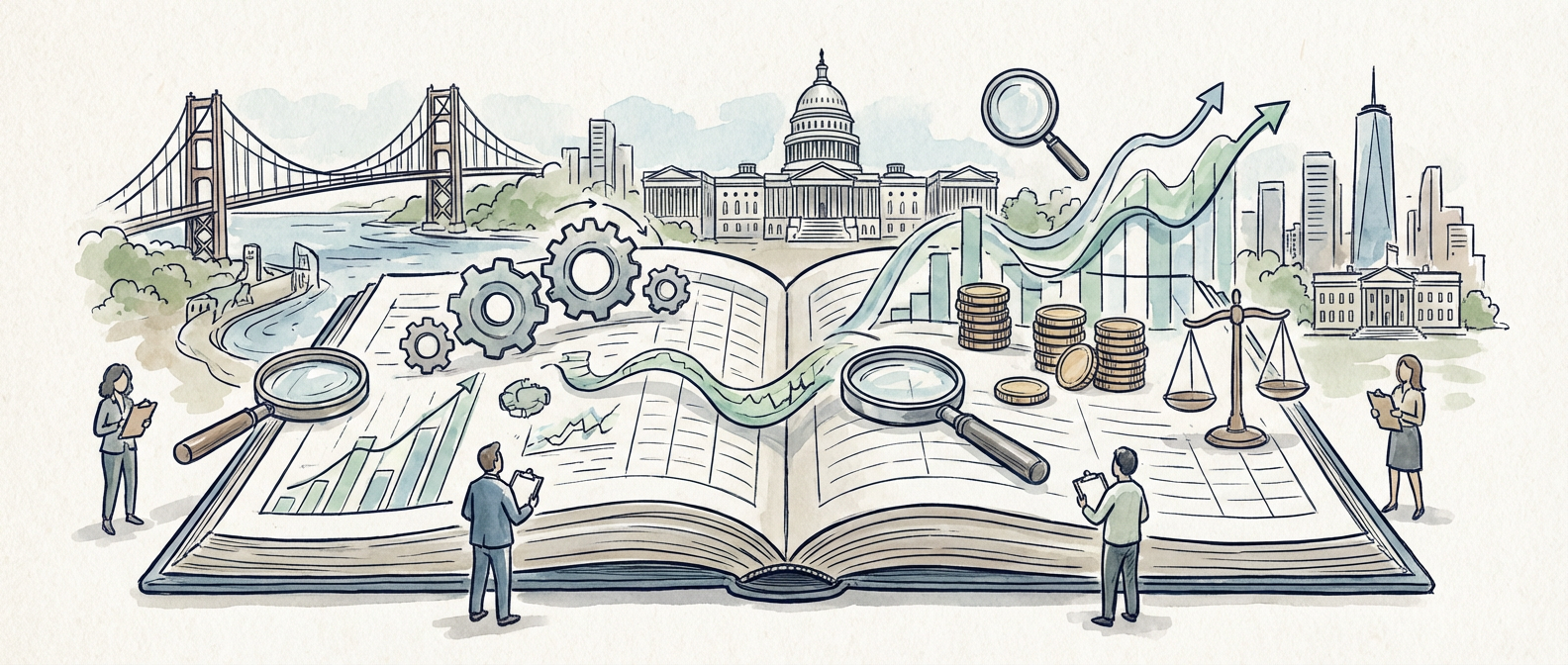
Every spring, cities across America release thick documents filled with line items, percentages, and projections that most residents never read. These municipal budgets land on websites with the fanfare of a whispered secret, yet they contain some of the most revealing information about what our communities actually value. I’ve spent fifteen years helping neighborhoods decode these documents, and here’s what I’ve learned: budgets aren’t financial plans. They’re moral documents disguised as spreadsheets.
When Sacramento allocates $847 per resident for police but only $23 per resident for affordable housing programs, that’s not an accounting decision. When Austin spends more on downtown streetscape improvements than on flood mitigation in historically redlined neighborhoods, that’s not budget neutral. These numbers reflect decades of political choices, community pressure, and yes, the persistent influence of whoever shows up to city council meetings with the most organized voice.
The conventional wisdom suggests we should analyze municipal budgets like household finances: income versus expenses, essential versus discretionary spending, fiscal responsibility versus wasteful programs. This framing isn’t wrong, but it misses the deeper reality. City budgets are the DNA of local democracy, encoding the results of countless negotiations between competing visions of community life.

The Participation Paradox That Nobody Talks About
Here’s where things get messy in ways that should frustrate us all. Most budget analysis focuses on the final numbers, but the real action happens in the months before those figures get locked in. Community groups advocate for expanded library hours. Business coalitions push for infrastructure investments. Neighborhood associations demand better code enforcement. Each voice represents legitimate needs, and that’s exactly the problem.
The communities most impacted by budget decisions often have the least capacity to engage in the budget process itself. Single parents working two jobs can’t attend 7 PM budget hearings. Small business owners operating on thin margins can’t hire lobbyists to explain why a new fee structure would force them to close. Meanwhile, well-resourced interests can afford to play the long game, building relationships with staff and elected officials that translate into favorable budget allocations year after year.
This isn’t corruption in the traditional sense. It’s the predictable result of a system that rewards sustained engagement while creating barriers to participation for those juggling multiple survival priorities. And honestly? Most cities haven’t figured out how to fix this. Some try evening childcare during budget hearings. Others experiment with online surveys. But these feel-good gestures barely scratch the surface of who actually gets heard when the real decisions get made.
Beyond the False Choice of Growth Versus Equity
Municipal budget debates often get trapped in a frustrating binary: economic development versus social services, growth versus affordability, business-friendly policies versus resident-centered priorities. I’ve sat through hundreds of these conversations. They’re exhausting because they miss the point entirely.
Consider how Portland, Oregon handles its budget process. Before approving spending on any major initiative, city staff must analyze how the investment will affect different demographic groups and geographic areas. This doesn’t guarantee perfect outcomes, but it forces explicit consideration of who wins and who loses. Boston and Phoenix give residents direct decision-making power over chunks of the municipal budget. These aren’t perfect solutions, but they’re actual experiments rather than endless debates about principles.
The smartest budget approaches recognize that community wealth and individual opportunity are connected, not competing. Investment in quality public transit helps both economic development and working families who can’t afford cars. Universal pre-K programs support parents while creating jobs and strengthening the local workforce. Green infrastructure projects improve environmental health while generating construction employment and reducing long-term municipal costs.
These approaches require more work than simple cost-benefit calculations. They demand that we think about how different budget choices reinforce or undermine each other over time. It’s harder than traditional budget analysis, but it’s also more honest about the complex challenges that cities actually face. Most cities still aren’t doing this work, which explains why so many budget fights feel pointless.
The Real Work Starts After the Vote
Budget adoption isn’t the end of the story. It’s barely the beginning. Municipal budgets are living documents that get modified throughout the fiscal year through supplemental appropriations, transfers between departments, and simple shifts in spending priorities as staff respond to emerging needs and opportunities. This ongoing flexibility is necessary for effective governance, but it also means that budget oversight requires sustained attention rather than one-time analysis.
Most cities publish quarterly financial reports that show actual spending compared to budgeted amounts. These documents reveal whether the community policing program actually got funded, whether the affordable housing trust fund is being spent as promised, whether the infrastructure improvements are moving forward on schedule. Learning to read these reports isn’t difficult, but it requires the same kind of patience that democracy itself demands.
The organizations that actually influence municipal budget processes understand this reality. They don’t just show up during budget season. They track implementation, celebrate successes, document failures, and use this information to build stronger cases for the following year’s priorities. This is where individual residents can have real impact, not by becoming budget experts overnight, but by choosing one or two issues they care about and following the money with the persistence that meaningful change requires.
Municipal budgets reveal who has voice and who gets heard in our local democracy. They reflect our collective choices about what kind of communities we want to build and maintain. Understanding these documents won’t solve every problem, but it provides tools for anyone committed to making local government more responsive and effective. The question isn’t whether you have time to engage with your city’s budget process. The question is whether you can afford not to, given what these numbers reveal about the future being constructed in your name. What story is your city’s budget telling, and are you okay with letting other people write it?
Updated on March 9, 2026
Why Your City’s Budget Is the Most Important Document You’ve Never Read
The Numbers That Shape Your Neighborhood
Every spring, while most of us are thinking about summer vacation plans, your city council is making decisions that will determine whether the pothole on your street gets fixed, whether the library stays open on Sundays, and how many police officers patrol your neighborhood. These decisions happen during budget season, when elected officials translate campaign promises into actual dollar amounts. The municipal budget isn’t just an accounting document. It’s a blueprint for your community’s priorities, written in the language of line items and fiscal projections.
Think about the last time you complained about something in your city. Maybe it was the delayed response to a water main break, or the fact that the rec center cut evening programs, or the way certain neighborhoods seem to get better snow plowing than others. These aren’t random occurrences or bureaucratic failures. They’re the direct result of budget decisions made by people you probably helped elect. Understanding how to read and influence your city’s budget gives you real power to address these issues before they become problems.
Municipal budgets typically run from July to June, though some cities follow the calendar year. Most cities are required to hold public hearings before adopting their budgets, but here’s the thing: hardly anyone shows up. That means the people who do attend these meetings have huge influence on how millions of dollars get allocated. The question isn’t whether you have time to get involved. The question is whether you can afford not to.

Following the Money Trail
Reading a city budget requires some detective work, but it’s not as mysterious as it seems. Start with the revenue section, which shows where your city gets its money. Property taxes usually make up the largest chunk, followed by sales taxes, state and federal grants, and fees for services like water and trash collection. Understanding these revenue streams helps explain why your mayor might push for new development or why certain services get prioritized over others.
The expenditure side tells you where the money goes, and this is where things get interesting. Most cities spend the majority of their budget on personnel costs. Police and fire departments typically consume 40-60% of the general fund in many cities. Public works, parks and recreation, and administrative costs make up most of the remainder. When you see a line item for “Community Development” at $2.3 million, dig deeper. What specific programs does that fund? Which neighborhoods benefit? How do officials measure success?
Pay special attention to capital expenditures versus operating expenses. Operating expenses keep the lights on and pay salaries. Capital expenditures build new facilities, buy equipment, and fund major infrastructure projects. A city might show fiscal responsibility by keeping operating costs flat while putting off needed infrastructure maintenance. This creates problems down the road that will cost much more to fix. Smart budget analysis looks at both categories and asks whether the balance makes sense for your community’s long-term health.
The Politics Behind the Spreadsheet
Every budget tells a story about political power and community values. When you see that one council district received three new playground upgrades while another got none, that’s not coincidence. It’s politics. When the library budget gets cut by 15% while economic development incentives increase by 30%, those are value choices wrapped in fiscal language. Learning to read these patterns helps you understand how decisions really get made in your city.
Timing matters enormously in municipal budgeting. Most of the real decisions happen months before the official budget hearings. By the time citizens can provide input at public meetings, council members have already negotiated most of the major allocations. Building relationships with your representatives throughout the year matters more than showing up once during budget season. The most effective advocates start conversations about next year’s priorities while this year’s budget is being implemented.
Don’t overlook the role of city staff in shaping budget priorities. While elected officials get the final vote, city managers, department heads, and budget analysts have enormous influence over how options get presented to council members. These professionals often have institutional knowledge that spans multiple election cycles. Building relationships with key staff members can help you understand the technical constraints and opportunities that shape budget decisions. They can also help you frame your advocacy in ways that address practical implementation challenges.
Making Your Voice Count
Effective budget advocacy starts with homework. Before you ask for increased funding for youth programs or better road maintenance, research what your city currently spends in those areas. Look at how much other comparable cities allocate to similar services. Come prepared with specific proposals, not just general complaints. Instead of saying “we need better parks,” propose allocating $50,000 to hire two additional maintenance workers or $25,000 to upgrade playground equipment in underserved neighborhoods.
Coalition building multiplies your impact. A single resident asking for bike lanes might get polite attention. Twenty residents from different neighborhoods making the same request gets serious consideration. Find other people who share your priorities and coordinate your advocacy. This doesn’t require formal organizing. It can be as simple as talking to neighbors, posting on community social media groups, or reaching out to local organizations that care about similar issues.
Timing your advocacy strategically makes a huge difference. Most cities begin their budget preparation process 6-9 months before the fiscal year starts. This means January through March is often the sweet spot for influencing the next fiscal year’s priorities. Don’t wait until the public hearing to make your case. Contact your council members during the preparation phase when they’re still developing proposals and gathering input from staff.
Beyond the Numbers
The real power of understanding municipal budgets isn’t just knowing how money gets spent. It’s developing the skills to hold your local government accountable for the promises they make and the results they deliver. When officials say they’re committed to addressing homelessness or improving public transit, you can look at budget allocations to see whether their stated priorities match their spending decisions. When they claim budget constraints prevent them from addressing community needs, you can evaluate whether those constraints are real or reflect different political priorities.
Municipal budgeting is democracy in action at its most practical level. Unlike federal or state politics, where individual citizens have limited influence, local budget decisions are accessible to anyone willing to invest time in understanding the process. Your city council members represent a few thousand people, not hundreds of thousands. Your voice can and does make a difference when you use it strategically and consistently.
Ready to dive in? Start by downloading your city’s current budget from their website. Most cities are required to post these documents publicly. Read through the executive summary first to get oriented, then look into the sections that affect issues you care about. Better yet, attend a city council meeting or budget hearing to see how these discussions unfold in person. You might discover that the most important political arena in your life has been hiding in plain sight all along.
Updated on March 9, 2026
Why Your Great-Grandmother’s Voting Ritual Could Save Local Democracy
The Lost Art of Kitchen Table Politics
Picture this: It’s 1952, and your great-grandmother is sitting at her kitchen table with a cup of coffee, the local newspaper spread before her, and a handwritten list of every candidate running for city council, school board, and county commissioner. She knows which one promised to fix the potholes on Elm Street, who voted against the library expansion, and whose nephew got that suspicious city contract. This wasn’t unusual. This was democracy working the way it was supposed to work.
Today, we have more access to information about our candidates than any generation before us, yet most voters stumble into local elections knowing less about their choices than their great-grandmothers did with just a weekly paper and word of mouth. The difference wasn’t the information available. It was the ritual of seeking it out.
When Voter Guides Actually Guided Voters
The League of Women Voters has been producing nonpartisan voter guides since 1920, but their golden age coincided with peak local newspaper circulation in the 1960s and 70s. Back then, voter guides weren’t competing with infinite scroll and push notifications. They were often the only comprehensive source comparing candidates side by side. Families would discuss them over dinner. Churches and community groups would host candidate forums based on the questions these guides posed.
The format was elegant in its simplicity: identical questions posed to every candidate, with responses printed verbatim. No editorializing, no star ratings, just candidates in their own words explaining their positions on local issues that actually affected daily life. When Councilwoman Johnson wrote that she supported the new traffic light at Fifth and Main because three children had been hit crossing there, voters understood exactly what was at stake.
Modern voter guides follow this same template, but they’ve lost their cultural weight. The challenge isn’t creating better guides. It’s recreating the civic habit of using them.
The Information Paradox of Modern Democracy
We live in what historians might call a “reverse information crisis.” While earlier generations suffered from too little information about candidates, we’re drowning in too much, most of it fragmented or partisan. Your city council candidate has a Facebook page, a campaign website, three local news interviews, and two candidate forum videos. But parsing all this scattered information requires the kind of civic dedication that feels almost quaint in 2024.
This abundance creates what political scientists call “information shortcuts.” Voters rely more and more on party labels, endorsements, or single-issue positions to make decisions about complex local offices. The irony is striking: previous generations made more informed local choices with fewer resources because they had systematic ways of processing candidate information.
Consider how your great-grandmother approached that 1952 school board race. She might have known only three facts about each candidate, but they were the right three facts: their position on the proposed school bond, their attendance record at board meetings, and their day job. Today’s voter might know a dozen random facts about candidates but lack the framework to evaluate what matters most for someone overseeing a $50 million school district budget.
Building Your Personal Democracy Toolkit
Creating an effective personal voter guide starts with understanding what local offices actually do. Your city council controls zoning decisions that determine whether that vacant lot becomes affordable housing or another strip mall. School board members decide if your district will adopt new math curricula or cut arts programs. County commissioners influence everything from library hours to public health funding. These decisions shape your daily life more directly than most federal policies ever will.
Start building your toolkit six weeks before election day. Gather the basic documents: your sample ballot from the county election office, candidate information from local newspapers, and any voter guides from nonpartisan organizations like the League of Women Voters or your local Bar Association. Create a simple spreadsheet with candidate names and the three issues that matter most to you for each office.
The secret is asking the right questions. Instead of “Who do you endorse for mayor?” ask “What specific experience does this candidate have managing large budgets?” Instead of looking for candidates who share your political party, look for candidates who understand the particular challenges facing your community. The mayor of a college town needs different skills than the mayor of an agricultural community or a bedroom suburb.
The Democratic Experiment Continues
Your great-grandmother’s kitchen table democracy worked because it treated voting as a civic skill worth developing, not a consumer choice to be made quickly. She understood that local democracy requires ongoing attention, not just election-day participation. Her generation built the public infrastructure we still depend on today precisely because they took local governance seriously.
We can’t recreate 1952, nor should we want to. But we can reclaim the deliberate civic engagement that made democracy work at the local level. The tools are better now. Candidate information is more accessible. The challenge is developing the civic muscles to use these tools effectively.
What would happen if we brought that same kitchen table intentionality to our local elections today? What kind of community could we build if voters approached local democracy with the same systematic care our predecessors brought to choosing their representatives? These aren’t rhetorical questions. They’re invitations to experiment with democracy the way it was meant to work.
Updated on March 9, 2026
Lessons from the Labor Halls: What Modern Community Organizers Can Learn from the Brotherhood of Sleeping Car Porters
When A. Philip Randolph Changed the Game
In 1925, when A. Philip Randolph walked into that first meeting hall in Harlem to organize the Brotherhood of Sleeping Car Porters, he wasn’t just starting a union. He was creating organizing tactics that would echo through every successful community movement for the next century. The Pullman Company seemed unbeatable, with its web of company spies, economic leverage over Black workers, and cozy relationships with both railroad executives and civil rights leaders who counseled patience. Sound familiar?
What Randolph understood, and what today’s community organizers often miss, is that real change requires building power slowly and methodically. The Brotherhood didn’t win recognition overnight. It took twelve brutal years of house meetings, secret organizing, and strategic patience before they got their first major victory in 1937. But those twelve years weren’t wasted time. They were an investment in the kind of deep organizing that creates lasting institutional change.
The parallels to modern community organizing are striking, though I’ve got to be honest, we can’t push this comparison too far. Today’s activists face different challenges than railroad workers in the 1920s. Social media can speed up organizing but also scatter attention. Local government structures have changed, creating new entry points for influence but also new headaches. Yet the basic principles Randolph used remain surprisingly relevant for anyone trying to build power at the community level.

The Power of the One-on-One: Building Relationships That Last
Randolph’s organizers mastered what we now call relational organizing, though they never used that term. They knew that lasting movements are built on personal relationships, not just shared grievances. Brotherhood organizers would spend hours in dining cars and crew quarters, not delivering speeches about workers’ rights, but listening to individual stories about missed family dinners, arbitrary schedule changes, and the daily humiliations of working under constant surveillance.
This approach translates directly to modern community organizing around housing, education, or environmental issues. The most effective organizers I’ve worked with spend far more time in coffee shops and living rooms than at rallies or city council meetings. They know that before you can move someone to action, you need to understand what moves them personally. A parent worried about their child’s safety walking to school has different motivations than someone concerned about abstract policy principles, even if both support the same traffic calming measures.
The Brotherhood’s focus on one-on-one conversations also solved a practical problem that haunts many modern movements: how do you maintain momentum between big public actions? Randolph’s organizers created what was essentially a continuous organizing conversation, where workers were constantly being engaged, consulted, and developed as leaders. This prevented the boom-and-bust cycle that kills many contemporary campaigns that rely too heavily on rallies and protests without building the underlying relational infrastructure.
Of course, the context matters enormously. Railroad workers in the 1920s lived and worked in relatively tight-knit communities where building these relationships was more straightforward than in today’s sprawling suburbs or gentrifying neighborhoods. Modern organizers have to be more intentional about creating spaces for these conversations to happen, whether through house parties, community forums, or even carefully structured online spaces.
Strategic Patience vs. Urgency: When to Push and When to Build
Maybe the most useful part of the Brotherhood’s campaign was Randolph’s ability to balance urgent action with long-term strategy. When Pullman workers faced immediate crises, like arbitrary firings or dangerous working conditions, the Brotherhood responded quickly with grievance procedures and direct action. But Randolph never let these urgent responses derail the larger goal of winning union recognition and fundamentally changing the power dynamic.
This tension between urgency and patience plays out constantly in modern community organizing. Housing advocates, for instance, must respond to immediate displacement threats while building long-term power to change zoning laws and development patterns. Environmental justice organizers can’t ignore today’s pollution while waiting for comprehensive policy reform. The Brotherhood’s model suggests a both-and approach: address immediate needs while building the organizational capacity for systemic change.
The key insight from Randolph’s approach is that strategic patience doesn’t mean sitting around. The Brotherhood was constantly active during those twelve years, running voter registration drives, building alliances with other unions, training new leaders, and creating economic pressure through coordinated actions. They understood that building power is itself a form of action, not just preparation for action.
However, we should acknowledge that the Brotherhood operated in a different media and political environment. Today’s 24-hour news cycle and social media can make strategic patience much harder to maintain. Community organizations face pressure to respond to every crisis and opportunity, sometimes at the expense of long-term capacity building. Learning from Randolph doesn’t mean copying his timeline, but rather adopting his discipline about distinguishing between activities that build power and activities that merely respond to it.
Coalition Building: The Art of Strategic Alliances
One of Randolph’s smartest achievements was building a coalition that included not just railroad workers, but civil rights organizations, religious leaders, women’s groups, and eventually other labor unions. This wasn’t just about getting more people to show up to rallies. It was about creating multiple pressure points on the Pullman Company and building a movement with staying power.
The Brotherhood’s coalition strategy offers valuable lessons for modern organizers, particularly around the question of ideological purity versus strategic effectiveness. Randolph worked with organizations and individuals who didn’t share all of his views on economic policy or civil rights tactics. What mattered was their willingness to support the specific goal of union recognition. This pragmatic approach allowed the Brotherhood to build much broader support than would have been possible with a more ideologically rigid coalition.
Contemporary community organizers face similar choices when building coalitions around local issues. A campaign for better public transit might bring together environmental activists, disability rights advocates, low-income housing groups, and business organizations concerned about employee transportation. These groups may disagree strongly on other issues, but their shared interest in transit improvements can create a powerful coalition.
The Brotherhood’s experience also highlights the importance of what organizers call “leadership development within coalition work.” Randolph didn’t just ask allies to show up and support, he created meaningful roles for leaders from different organizations and communities. This approach not only strengthened the immediate campaign but built relationships and skills that benefited future organizing efforts across multiple issues.
From Railroad Cars to City Halls: Adapting Historical Lessons
The most important lesson from the Brotherhood of Sleeping Car Porters isn’t any specific tactic, but rather their approach to building power systematically over time. They understood that sustainable change requires creating new relationships, developing new leaders, and shifting the underlying dynamics that create problems in the first place.
Modern community organizers working on everything from school board races to climate action can apply these principles, though the specific methods will necessarily differ. The house meeting that worked in 1920s Harlem might be a neighborhood coffee hour or a virtual forum today. The one-on-one conversation might happen through phone banking or door-to-door canvassing. The coalition building might involve social media campaigns and online organizing tools that Randolph could never have imagined.
What stays the same is the need for patience, relationship building, strategic thinking, and the recognition that real change takes time and sustained effort. The Brotherhood’s twelve-year campaign reminds us that building lasting power in our communities requires the same kind of commitment and strategic discipline that Randolph brought to his organizing.
If you’re working on community organizing in your own neighborhood or city, I’d love to hear about what you’re learning and what challenges you’re facing. The principles are timeless, but every community context is unique, and we all benefit from sharing our experiences and insights.