
Posted on March 14, 2026
The 2030 Census is Being Decided Right Now—And It Will Reshape American Politics for a Decade
Why Your Generation Should Actually Care About Something Called the Decennial Census
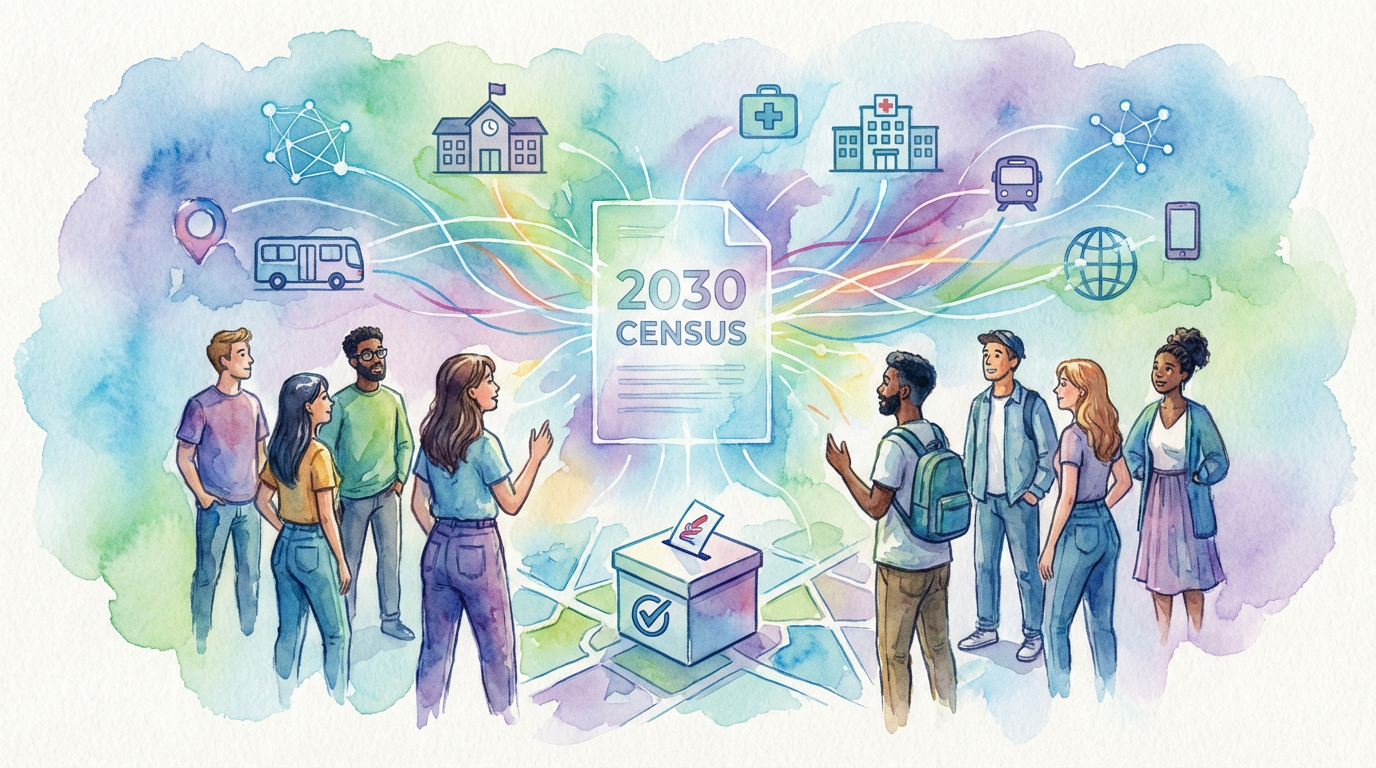
I know. The census sounds about as thrilling as filing taxes. But here’s the thing: the decisions being made about the 2030 Census right now will determine which communities get federal funding, which states gain or lose congressional power, and how your voice gets counted in democracy itself. And if you’re under 35, this affects you more directly than you might think.
The Census happens every ten years. It’s constitutionally mandated. It’s also one of the most consequential exercises in data collection that most Americans never think about. The U.S. Census Bureau: 2030 Census Planning process is currently underway with a congressionally approved budget of $16.8 billion. Real money, real stakes, real political implications. But here’s where it gets complicated, and where we need to think clearly about what’s at risk.
The Staffing Crisis: Why Budget Doesn’t Always Translate to Results
In early 2025, efficiency reviews initiated by DOGE placed roughly 800 Census Bureau positions under evaluation for potential elimination. Now, reasonable people can disagree about government spending. Some argue that every agency should constantly defend its budget. Others worry that cutting census staff right before the most complex enumeration in history is penny-wise and pound-foolish. Both positions deserve consideration.
The tension here is real. Accurate counting requires experienced workers who understand data quality, community outreach, and the logistics of reaching hard-to-count populations. But that expertise costs money. And if you believe government agencies should operate leaner, you might see the staff review as necessary accountability. The problem is timing. We’re five years out from the 2030 Census. Losing institutional knowledge now creates compounding inefficiency later. It’s not that one side is obviously right. It’s that efficiency and accuracy both matter, and they’re currently pulling against each other.
Your State’s Power in Congress Depends on How the Census Counts You
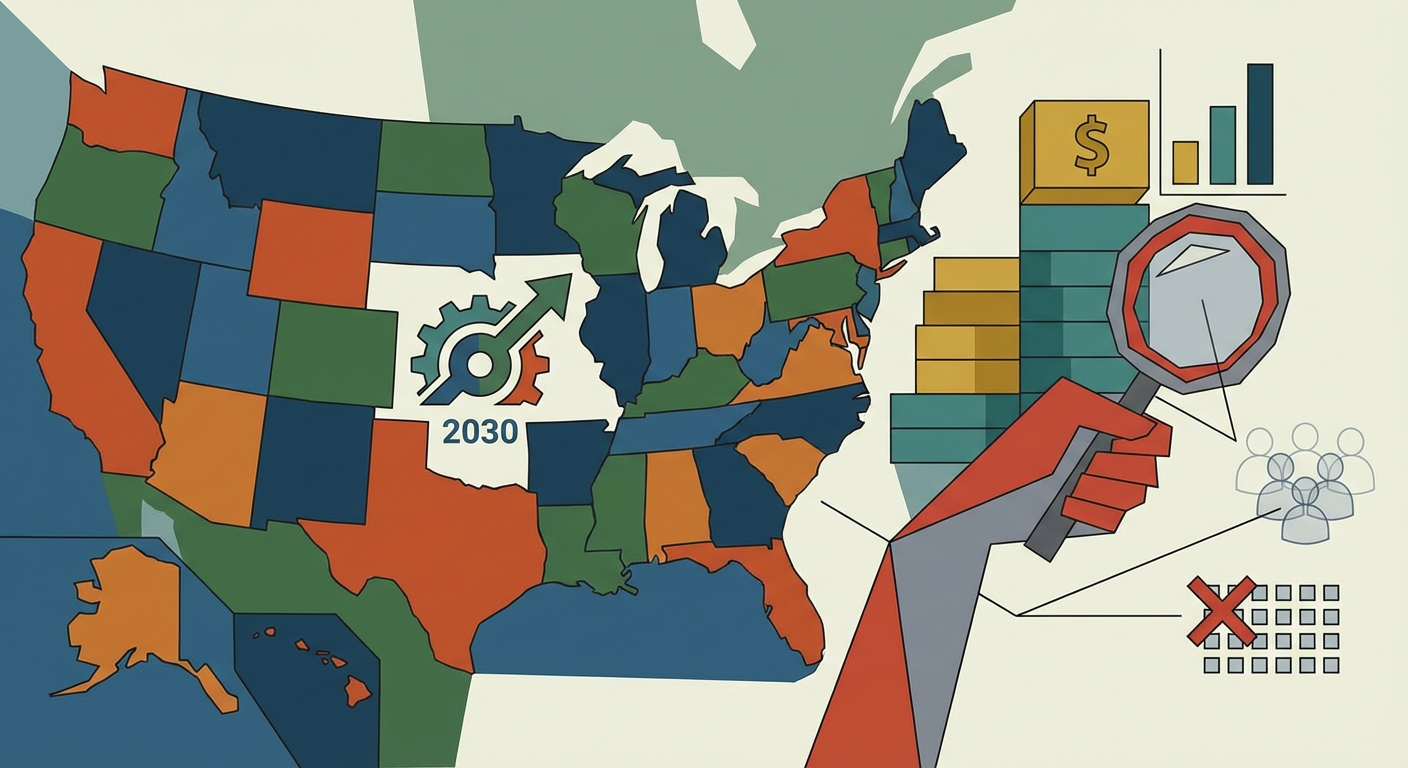
Here’s where it gets tangible. Based on demographic projections, the 2030 Census will trigger a significant reapportionment of all 435 House seats among the states. The Brookings Institution: Apportionment and Redistricting Projections suggest Texas could gain three congressional seats while California and New York could each lose one. That’s real political power shifting geographically.
But younger voters are reshaping the political map themselves. The 2025 American Community Survey revealed that for the first time, adults aged 18 to 34 outnumber Baby Boomers in 31 of 50 states. Your generation is already the larger demographic group in the majority of American states. That means your voting power is mathematically significant, if the Census counts you accurately. An undercount of young people in any state directly translates to that state having fewer House seats and less federal representation. This isn’t abstract civics. This is about your literal voice in Congress.
Follow the Money: Why Census Accuracy Affects Your Community’s Resources
The most sobering finding comes from 2025 Urban Institute research. If low-income populations are undercounted by just 1 percent in the 2030 Census, those communities lose approximately $1,800 per person annually in federal formula funding over the following decade. That’s not a rounding error. That’s a choice with measurable consequences.
Federal funding for schools, housing programs, transportation infrastructure, and health services all flow through formulas based on census data. When a community is undercounted, its allocation shrinks. Over ten years, that undercount compounds into millions of dollars diverted away from the communities that need it most. Young people and low-income populations have historically been undercounted. That’s not conspiracy thinking. That’s documented census history. So the question isn’t whether accuracy matters. It’s whether we’re adequately resourcing the infrastructure needed to ensure it, especially while simultaneously evaluating which staff positions to cut.
New Technology Creates Real Opportunities—And Real Questions
Here’s where it gets interesting. In late 2025, the Census Bureau announced it would pilot digital-first enumeration methods in 12 counties across five states before the 2030 count. This is the most significant methodology test since 2010. Digital approaches could reduce costs and reach people more efficiently. Some experts see this as how the bureau adapts to reality: more Americans live online, move frequently, and distrust of in-person government interactions has increased. Modernization makes sense.
But technology can solve some problems while creating others. Digital-first methods work great if you have reliable broadband, stable housing, and trust the government’s use of your data. They work less well in rural areas, for unhoused populations, and for communities that have legitimate historical reasons to distrust the census. We need to see the pilot data. We need transparency about what works and what doesn’t. New doesn’t automatically mean better, and old doesn’t automatically mean wrong. What matters is honesty about the tradeoffs and a genuine commitment to reaching everyone, not just the easiest people to count.
What You Can Actually Do About This
None of this is predestined. The 2030 Census’s accuracy, funding, methodology, and staffing are all ongoing conversations in Congress and within the Census Bureau. These aren’t closed questions answered by mysterious bureaucrats in DC. They’re shaped by budget decisions, policy choices, and pressure from constituents who pay attention.
Learn about your state’s specific projections. Ask your representatives whether they’re advocating for adequate census funding and transparent enumeration methods. Pay attention to which communities get counted and which ones historically haven’t. Volunteer for the census when you’re eligible. If you care about democracy actually reflecting reality, the census is where that work happens. It’s not glamorous. But it’s real. And right now, it’s still being shaped.
Posted on March 14, 2026
The 2025 DOGE Report Card: What Actually Got Cut, What Didn’t, and Why Your City Council Matters More Than Ever
The Headline Numbers Don’t Tell the Real Story
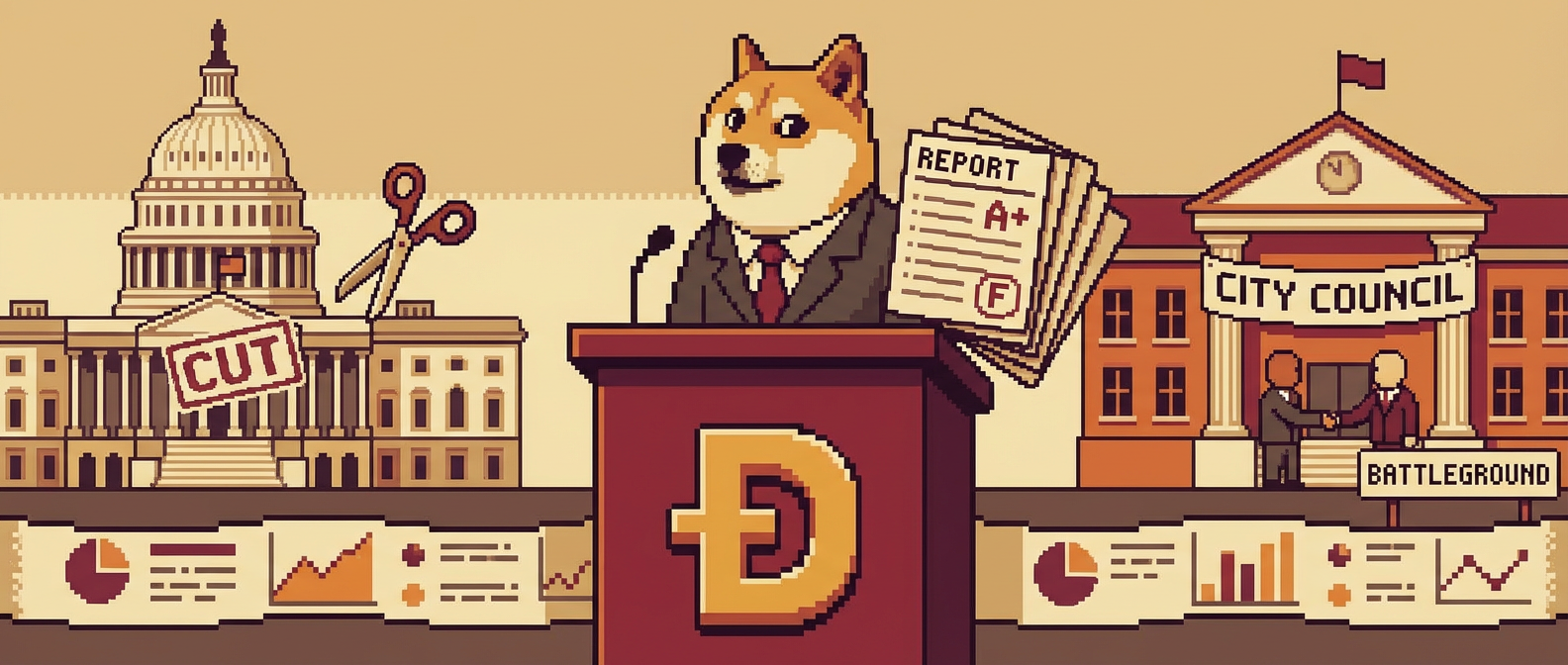
When the Department of Government Efficiency announced it had identified over a trillion dollars in potential federal savings by mid-2025, the headlines were impossible to miss. Elon Musk and his team had been given a mandate to cut waste, and they were delivering on it, at least in terms of sheer ambition. But here’s what I’ve learned covering budget politics for years: the gap between identified savings and actual verified savings is where the real story lives. The Congressional Budget Office took a hard look at DOGE’s claims and scored the verified savings at a fraction of that trillion-dollar figure. That gap matters. It tells us something important about the difference between administrative boldness and fiscal reality.
What happened next was more consequential than most people realized. When you suddenly eliminate 75,000 federal positions through the deferred resignation offers that circulated in early 2025, according to Office of Personnel Management data, you’re not just reducing a payroll line item. You’re disrupting the actual machinery of government. The people who administer grants, who review applications, who maintain databases, who answer phones at federal agencies, those jobs disappeared. And when the machinery slows down or stops, the impact radiates outward faster than anyone anticipated.

Follow the Money: Where Federal Funding Actually Disappeared
This is where I need you to pay close attention, because this is where your city budget meets federal policy in the most direct way possible. The National Association of Counties documented that federal grant eliminations tied to DOGE reviews forced at least 23 states to restructure their local social service delivery programs. That’s not an abstract policy shift. That’s your county deciding whether it can afford to keep mental health services operating at current levels. That’s your city figuring out how to staff a domestic violence shelter when the federal funding that paid half the budget suddenly evaporates. Check out the National Association of Counties: Federal Funding Impact Tracker to see which programs were affected and when.
By late 2025, budget officers in major cities were sounding genuine alarm. Denver reported mid-cycle funding gaps of around 180 million dollars. Columbus and Memphis flagged shortfalls in the 40 to 180 million dollar range. These aren’t cities crying wolf. These are professional administrators who manage budgets for millions of people, saying publicly that they couldn’t plan their way through what happened. When a city loses federal funding mid-year, it has three choices: cut services immediately, tap reserves and weaken their financial position, or raise local taxes. None of those are good options. All three have real consequences for real people.
What the Public Actually Noticed (And Didn’t)
Here’s something fascinating that a Pew Research Center survey captured in October 2025. Fifty-four percent of Americans said they believed DOGE had “some” or “significant” impact on government waste. That’s a meaningful majority who think the effort was real. But only 31 percent said federal services in their community had improved. Let that sink in. Even people who believed DOGE was cutting waste didn’t see improvements. Many saw degradation. They saw longer waits at Social Security offices. They saw delayed approvals for disability benefits. They saw federal loan processing grind slower. They noticed the friction even if they couldn’t always trace it back to workforce reductions and funding disruptions.
The gap between belief in federal waste and experience with federal service quality tells us something important about how ordinary people evaluate government. We don’t live in the abstract. We live in the concrete. We go to the DMV or call about our benefits or wait for a permit. That’s where government lives for most of us. When you reduce the people processing those transactions without reducing the demand for those services, something has to give. Service quality usually gives first.
Why This Is Actually About Your City Council
This is the part where I want to redirect your attention, and I mean this with real urgency. The federal government is important. Congress matters. The presidency matters. But the city and county officials closest to you are now the ones actually managing the consequences of federal policy. They’re the ones deciding whether to keep a library branch open or consolidate branches. They’re the ones deciding whether to hire social workers or eliminate positions. They’re the ones deciding whether to increase the local tax base to make up for federal shortfalls. These decisions are being made right now in budget sessions and town halls, and most people aren’t paying attention.
To understand the actual impact of federal efficiency efforts on your daily life, you need to know who sits on your city council or county commission, and you need to know how they voted on these budget adjustments. You need to know whether they advocated for your community when federal funding disappeared. Attend a budget hearing. Look at the actual line items. Ask questions about why certain services contracted. This isn’t civics class idealism. This is where your agency actually lives. This is where you can ask someone to account for their choices face to face.
What Happened, and What Comes Next
Let me be clear about what the evidence shows. DOGE identified significant potential savings, though the verified savings fell short of initial claims. Seventy-five thousand federal jobs were eliminated. Multiple federal grant programs were discontinued or restructured. The Congressional Budget Office Federal Workforce Analysis 2025 documents the workforce reduction in detail. Federal service quality degraded in measurable ways. Local governments scrambled to fill gaps with local resources they often didn’t have. Some communities managed better than others. Some found creative solutions. Some had already been cutting local services and had no cushion left.
What comes next depends partly on federal policy, but more on what local officials decide to prioritize. Do they fight to restore federal funding relationships? Do they raise local revenues to fill gaps? Do they restructure services more efficiently? Do they accept reduced service levels as the new baseline? These questions are yours to influence. Show up to a city council meeting. Ask about the federal funding your community lost. Ask what decisions were made to adjust. Ask who advocated for your neighborhood. Ask what you could do to help. Democracy isn’t a spectator sport at this level. It’s actually designed for your participation.

Posted on March 13, 2026
When Tariffs Become Statecraft: Understanding Trump’s 2025 Trade Realignment
The April Shock and What It Meant
When the Trump administration rolled out its sweeping tariff executive order in April 2025, it did something that hadn’t happened in nearly a century. The administration imposed a 10 percent universal baseline tariff on essentially all imports entering the United States, with China facing the sharpest blow: targeted rates that climbed to 145 percent on certain categories of goods. If that number seems almost theatrical in its extremity, remember that shock value was precisely the point. This wasn’t just a trade policy adjustment. This was a deliberate reset of how America approached its role in global commerce.
What made this moment historically significant wasn’t simply the tariff rates themselves. It was the architecture underneath them. By establishing a universal baseline rather than sector-specific protections, the administration fundamentally shifted the conversation. Previous administrations had used tariffs as scalpels, targeting specific industries or countries. This approach wielded a sledgehammer. And that difference matters enormously when we’re trying to understand what happens next in global economics.

The Historical Echo: How 1930s Protectionism Mirrors 2025
Here’s where historical context becomes genuinely useful, though we need to be careful about letting analogies run away with us. The last time American tariff rates reached comparable heights was during the Smoot-Hawley era of the early 1930s. By the third quarter of 2025, according to Peterson Institute for International Economics Trade Analysis, the effective average U.S. tariff rate had climbed to its highest level since 1934. That’s not an accident. It’s a direct historical parallel that economists are now discussing openly.
But here’s what makes the comparison tricky, and why we shouldn’t simply replay the 1930s playbook. The global economy is fundamentally different now. Trade flows involve complex supply chains that didn’t exist then. Financial markets respond in milliseconds rather than days. China isn’t a competitor on the periphery of American trade but deeply embedded in manufacturing networks across nearly every sector. The mechanics have changed, even if the underlying protectionist impulse feels familiar.
That said, the Smoot-Hawley comparison teaches us something valuable: trading partners respond to tariff escalation. They don’t simply accept it. Between May and September 2025, Canada and Mexico filed three separate arbitration cases under the USMCA dispute settlement process, specifically challenging the steel and aluminum tariffs that the administration had also imposed. These aren’t hypothetical threats. They’re formal legal challenges that signal serious intent from our closest trading partners to push back through every available mechanism.
The Global Recession That Nobody Voted For
Numbers tell stories if you know how to listen to them. The International Monetary Fund revised its global growth forecast downward to 2.8 percent for 2025 in its October outlook, and when economists point to reasons, they keep coming back to one thing: U.S.-China trade fragmentation. This isn’t some abstract economic indicator. This means reduced growth. This means slower job creation globally. This means pressure on governments everywhere to either retaliate or absorb the costs internally.
The IMF World Economic Outlook October 2025 painted a picture of an interconnected world where one country’s tariff escalation becomes everybody’s growth problem. American businesses relying on imported inputs face higher costs. European exporters see their market shrink. Emerging economies dependent on U.S. demand feel the pinch almost immediately. This is how protectionism actually plays out in practice, and it rarely follows the tidy economic theory that its proponents promised.
When Allies Become Adversaries in Trade
Perhaps the most revealing moment came when the European Union activated its Anti-Coercion Instrument for the first time in mid-2025. The EU doesn’t use new weapons lightly. This was their first deployment of a tool specifically designed to counter economic coercion, and they targeted approximately 18 billion euros in American goods with retaliatory countermeasures. Think about what that represents. The institutions created to maintain the Western alliance’s economic order were now being mobilized against a founding member.
This matters because it shows how trade disputes quickly become political ones. The EU didn’t activate this instrument because they love bureaucratic escalation. They did it because they calculated that their farmers, manufacturers, and workers needed protection from what they viewed as unwarranted American aggression. When you understand trade policy through the lens of citizens and communities actually affected by tariffs, the political responses become much more comprehensible.
What We’re Learning in Real Time
We’re living through a genuine experiment in trade policy, and while experiments are supposed to teach us something, they can be expensive. The tariff structure of 2025 is reshaping how countries think about supply chain vulnerability, local manufacturing, and strategic autonomy. Some of that reshaping might prove genuinely beneficial. Certain domestic manufacturing sectors that had atrophied might rebuild. But other consequences are harder to control. Inflation pressures. Consumer costs. The erosion of trust in international institutions that took decades to build.
The historical parallel to the 1930s remains instructive precisely because it shows us that protectionism rarely achieves its stated objectives in the way its architects envision. It triggers responses. It creates unintended consequences. It forces countries into corners where they must choose between economic pain and political survival. None of that means tariffs are always wrong as a policy tool. But it does mean we should watch carefully as this unfolds, document what happens, and think seriously about what we want to optimize for: short-term protection, long-term growth, alliance management, or something else entirely.
The questions worth asking now aren’t about whether the tariffs will achieve their stated goal of bringing manufacturing back to America. The real questions are about what trade-offs we’re willing to accept, which allies we can afford to damage, and whether the benefits will outweigh the disruptions. These are questions without easy answers. They’re also the questions that engaged citizens should be paying attention to as the policy evolves. What’s your community experiencing? Which sectors in your region are affected? What are local leaders saying about their conversations with Washington? That’s where the real story lives.
Updated on March 9, 2026
When Town Halls Shaped Nations: Your Voice in the Room That Decides Everything
The Room Where Hamilton and Jefferson Never Sat
Picture this: it’s Tuesday night, 7 PM, and you’re walking into a fluorescent-lit conference room where three people will decide whether that pothole on your street gets fixed or your neighborhood park gets new playground equipment. No founding fathers here, just City Councilwoman Martinez with her stack of manila folders, Councilman Chen checking his phone, and Mayor Thompson already looking at his watch. This is where democracy actually happens in America.
Sure, you can draw connections to our founding era, though the scale feels way smaller. When New England towns held their first public meetings in the 1600s, ordinary farmers and shopkeepers gathered to hash out everything from road repairs to taxes. They created the template we still use today. The difference? Those colonial farmers knew their voices directly shaped their daily lives. Too many of us have forgotten that same power sits waiting in every municipal meeting room across America.
Preparation: The Ben Franklin Method
Franklin showed up at every meeting with his homework done, and that’s your first lesson. Two weeks before that council meeting, start digging into the agenda. Most cities post these online 72 hours ahead, but the smart participants track down supporting documents early. When Portland, Oregon residents wanted to block a proposed apartment complex in 2019, the most effective speakers had studied the zoning codes, environmental impact studies, and traffic analyses beforehand.
Create what I call your “fact sheet” on one page. Include the specific ordinance numbers, budget line items, or permit applications you want to address. Write down three key points, not ten. During the Revolutionary War, pamphlets worked because they were short and sharp. Your three minutes at the podium work the same way. Practice your remarks out loud until you can deliver them without notes if the microphone fails or the room gets distracting.
Research the officials who’ll be listening. Councilwoman Martinez might be a former teacher who responds well to education funding arguments. Councilman Chen might have a background in urban planning. Knowing their priorities helps you frame your concerns in language they already care about. This isn’t manipulation, it’s effective communication.
Strategic Timing: When Your Voice Carries Furthest
The Revolutionary War succeeded partly because colonists understood timing. They didn’t random protest; they organized around specific moments when their actions would have maximum impact. Your modern equivalent means showing up consistently, not just when you’re angry about something specific.
Most productive public participation happens during regular council meetings, not packed hearings about controversial topics. When 200 people show up to argue about a proposed casino, your individual voice disappears in the noise. When you’re one of five speakers at a routine budget meeting, council members actually remember what you said. I’ve watched school board members quote specific comments from sparsely attended meetings six months later.
Follow the “three meeting rule” that experienced advocates swear by. Attend three meetings before you speak at your fourth. Use those first three sessions to understand the group dynamics, recurring agenda items, and each official’s communication style. Notice who asks follow-up questions versus who checks their phone during public comment. This intelligence gathering transforms you from random citizen to recognized community voice.
Speaking Truth to Local Power
Thomas Paine’s “Common Sense” worked because he spoke in plain language about complex ideas. Your public comments need the same approach. Start with your name, address, and the specific item you’re addressing. “Good evening, I’m Sarah Chen from 425 Oak Street, and I’m here about agenda item 4B, the proposed bike lane on Main Street.”
Lead with your strongest point because you might get cut off. If you support that bike lane, don’t start with traffic concerns and work your way to safety benefits. Start with “This bike lane will save lives” and then provide your evidence. Keep statistics simple: “Three cyclists were hit by cars on this stretch last year” hits harder than complicated accident rate calculations.
Personal stories beat abstract arguments every time. Instead of saying “Public transportation helps low-income residents,” say “My neighbor Maria takes two buses to get to her job at the hospital because she can’t afford a car. When you cut the evening bus route, you’re cutting Maria’s ability to work late shifts.” Council members remember Maria long after they forget your transportation policy statistics.
Building Coalitions: The Committees of Correspondence Model
The colonists didn’t win independence through individual action. They created networks of communication that turned scattered complaints into coordinated resistance. Your local version means building relationships before you need them. That means talking to your neighbors about issues that matter to you, attending community meetings beyond city council, and connecting with local advocacy groups.
Start an email list of neighbors who share your concerns. When the city proposes something affecting your area, you can quickly organize multiple speakers instead of showing up alone. In Minneapolis, residents opposing a proposed highway expansion created a simple Google group that grew from eight neighbors to 200 community members over six months. When they finally spoke at public hearings, their coordinated message carried real weight.
Find allies in unexpected places. The small business owner worried about parking restrictions might support your argument for better public transit. The parent concerned about school funding might join your push for youth recreation programs. These cross-cutting coalitions mirror the diverse alliances that made the American Revolution possible.
The Long View: Democracy as Daily Practice
Our founders designed a system that requires active participation, not passive consumption. They assumed citizens would stay informed and speak up regularly, not just during crises. Every time you walk into that fluorescent-lit meeting room, you’re continuing a tradition that shaped nations.
The most effective advocates I know treat local government like a long-term relationship, not a one-night stand. They build credibility through consistent participation, support officials when they make good decisions, and maintain respect even during disagreements. When these advocates speak, council members listen because they’ve earned that attention through sustained engagement.
What would change in your community if ten more people showed up regularly to council meetings? What if those ten people had done their homework, coordinated their messages, and committed to showing up month after month? Democracy works when ordinary people decide their voices matter enough to use them.
Updated on March 9, 2026
Why Poll Workers Are Democracy’s Unsung Heroes (And How You Can Join Them)
The 4 AM Wake-Up Call That Keeps Democracy Running
Margaret Chen sets her alarm for 4 AM on election days. By 5:30, she’s unlocking the doors to Lincoln Elementary’s multipurpose room, turning it from a space where third-graders eat lunch into the heart of local democracy. She’s one of thousands of poll workers who make voting possible. After the 2020 election, her job got both more important and way more complicated than it used to be.
Poll workers like Margaret are the front line of voting rights protection. They help elderly voters figure out new technology, assist voters with disabilities, and make sure everyone who’s eligible can actually cast their ballot. When voting rights come under pressure, these everyday people become the last defense between voters and getting shut out of the process.
The Quiet Crisis Behind the Ballot Box
Here’s something most people don’t know: we’re running out of poll workers, and it’s threatening the whole idea of free and fair elections. In 2020, the average poll worker was 61 years old. Many have since walked away because of health concerns, political harassment, or just being burned out from increasingly complex election procedures. Georgia alone was short 1,000 poll workers for their 2022 primary elections.
This shortage isn’t just about long lines, though those suck too. When polling locations close or get combined because there aren’t enough staff, it creates real barriers to voting. The Brennan Center found that counties with poll worker shortages saw a 7% drop in voter turnout compared to fully staffed locations. That’s thousands of voices going unheard because we couldn’t find enough people willing to work a 14-hour day for about $150.
The solution isn’t some complicated policy reform. It’s people like you stepping up to fill these roles. Most places are actively recruiting, offering training, and some are even paying more to attract younger workers.
Beyond the Polling Place: Legal Eagles in Sneakers
While poll workers handle election day operations, another army of volunteers works to protect voting rights through the courts and in communities year-round. Take the Election Protection coalition, which puts thousands of volunteer lawyers and paralegals out there to monitor elections and provide real-time legal support to voters facing problems at the polls.
During the 2022 midterms, these volunteers answered over 40,000 calls to election protection hotlines. They helped voters who’d been wrongly kicked off the rolls, guided people to correct polling locations when redistricting caused confusion, and provided language help when official interpreters weren’t available. One volunteer lawyer in Arizona spent election day driving between polling places, helping election officials fix ballot scanner breakdowns that could have prevented hundreds of people from voting.
You don’t need a law degree to join this effort. Organizations like Common Cause and the League of Women Voters train volunteers to become poll monitors. These are people who watch elections to make sure they run smoothly and fairly. These monitors learn to spot problems, document what goes wrong, and know when to call the legal teams. They’re democracy’s quality control inspectors.
The Voter Registration Underground Railroad
The most effective voting rights protection often happens months before election day, in voter registration drives that bring new voices into the democratic process. This work is especially powerful in communities that have been historically left out or face real barriers to civic participation.
Look at what’s happening on college campuses. Student organizers at the University of Georgia registered over 3,000 new voters during the 2022 academic year by setting up tables outside dining halls, dorms, and popular study spots. They found that many students simply didn’t know how to register in their college town or thought they couldn’t vote while away at school. Just sharing basic information became powerful voting rights protection.
Community organizations are doing similar work in neighborhoods where English isn’t the primary language, in communities where people move a lot, and among formerly incarcerated people who often don’t know their voting rights have been restored. Each newly registered voter doesn’t just represent one voice, but often opens the door to bringing entire families and social networks into civic participation.
Technology as Democracy’s Double-Edged Sword
Modern voting rights protection increasingly means understanding and advocating around technology. Electronic poll books, ballot marking devices, and online voter registration systems can make voting more accessible, but they can also create new problems and barriers.
Cybersecurity volunteers now play important roles in protecting election infrastructure. Organizations like VotingWorks develop open-source election technology that can be checked and verified by independent experts. Meanwhile, digital accessibility advocates work to make sure that online voting tools work for voters with disabilities, pushing for features like screen reader compatibility and adjustable text sizes.
The most important technology work might be the most basic: helping voters navigate new systems. When Pennsylvania introduced new voting machines, volunteer “voting ambassadors” spent weeks before elections helping community members practice with sample ballots and machines. This kind of hands-on technology support prevents confusion that can effectively shut out voters who might otherwise give up when faced with unfamiliar equipment.
Your Democracy Toolkit Starts Here
Protecting voting rights isn’t about picking sides in partisan battles. It’s about making sure that the basic machinery of democracy works for everyone. Whether you have two hours or twenty hours to spare, there’s a role for you in this work.
Start by contacting your local election office to ask about poll worker opportunities. Many provide thorough training and will work around your schedule for early voting or election day shifts. If you can’t work elections, consider becoming a poll monitor or joining voter registration efforts in your community. Organizations like Rock the Vote, VoteRiders, and your state’s League of Women Voters chapter can connect you with training and volunteer opportunities.
The next time you vote, take a moment to thank the poll workers who made your civic participation possible. Then ask yourself: when will it be your turn to hold that same space for others?
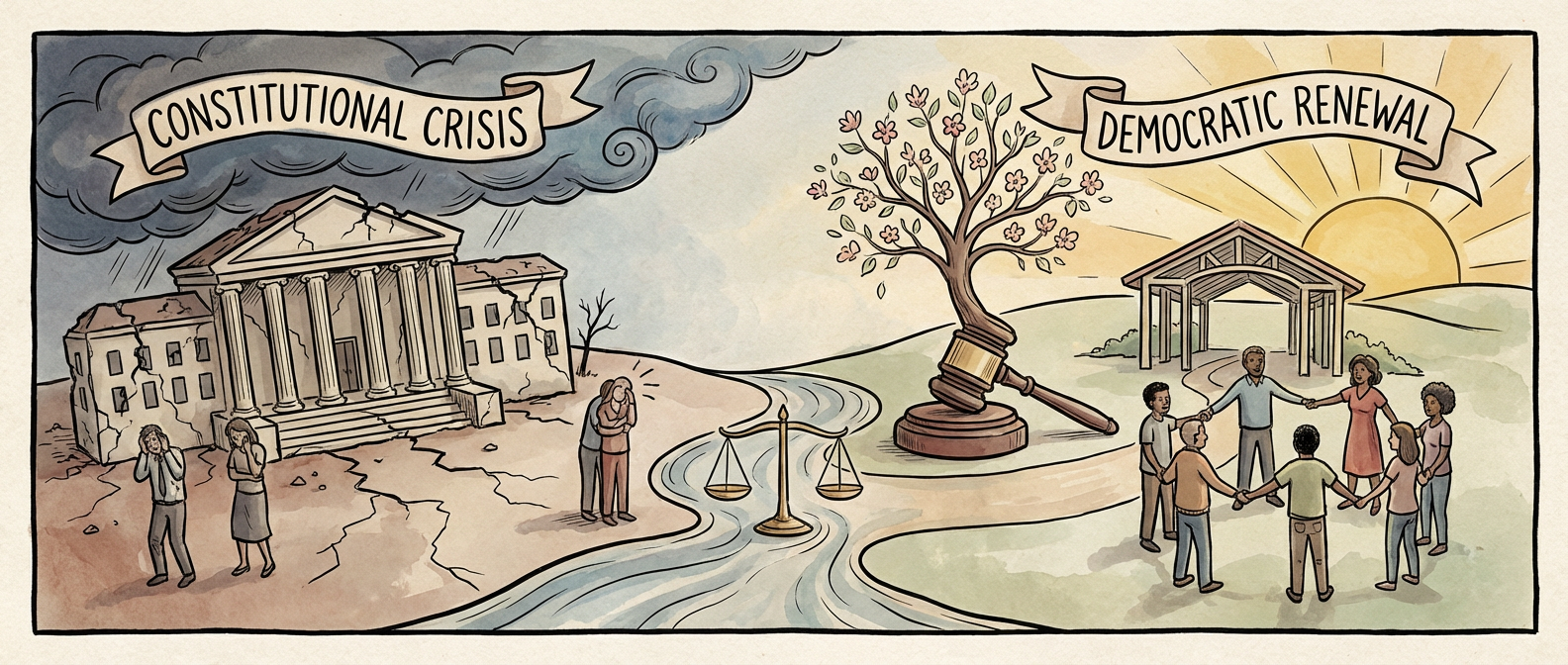
Posted on March 12, 2026
Mexico’s Judicial Overhaul: When Democracy Collides with Its Own Institutions
The Mechanics of Constitutional Change
Democracy sometimes forces us to watch its own contradictions play out in real time. Mexico’s sweeping judicial reform, codified in the Mexican Constitutional Amendment Text passed last September with an overwhelming 83% legislative approval, presents exactly this kind of institutional paradox. The amendment mandates popular election of all federal judges, from local magistrates to Supreme Court justices. It’s a democratic decision that fundamentally alters how democracy’s guardian institution operates.
The scope is massive. Come June 2026, Mexican voters will face ballots containing roughly 7,000 judicial positions. President Claudia Sheinbaum’s administration has committed 12 billion pesos, approximately 650 million dollars, to manage this unprecedented electoral undertaking through the National Electoral Institute. These aren’t symbolic gestures or pilot programs. This is the most comprehensive restructuring of judicial selection in recent democratic history.
What makes this particularly interesting from a structural perspective is how it emerged despite fierce opposition from the very institution being reformed. Mexico’s Supreme Court opposed the changes, creating a constitutional standoff between the judiciary and the legislative branch that the legislature ultimately won through sheer democratic weight. This isn’t unusual in democratic systems, but it’s rarely this stark or comprehensive.

The Great Judicial Exodus
Numbers tell stories, and the story here is one of institutional disruption on a massive scale. The Mexican Bar Association reports that nearly a quarter of all federal judges have chosen resignation over election, creating what amounts to a voluntary purge of judicial experience. These aren’t retirements or normal turnover patterns. These are professionals abandoning careers rather than submit to popular validation of their authority.
This exodus reveals the depth of cultural shift the reforms represent. For decades, Mexican federal judges operated within a system of professional appointment and career advancement based on legal expertise and institutional relationships. The transition to popular election doesn’t just change how judges get their jobs. It fundamentally alters the source of their legitimacy, shifting it from professional credentials to popular mandate.
The practical implications are staggering. Court systems facing 25% vacancy rates don’t just slow down. They create backlogs that can take years to clear, affecting everything from commercial disputes to criminal justice timelines. The structural question becomes whether democratic legitimacy gained through elections can compensate for institutional knowledge lost through resignations.
International Tensions and Democratic Legitimacy
The Inter-American Commission on Human Rights Statement raises concerns about judicial independence that get to the heart of democratic theory. Their worry centers on whether elected judges can maintain the institutional independence necessary to check legislative and executive power. It’s a classic tension: democratic accountability versus institutional autonomy.
But domestic polling complicates this narrative significantly. Sixty-eight percent approval for the judicial reforms suggests that international observers and Mexican citizens are evaluating the changes through fundamentally different frameworks. International bodies focus on established democratic norms and separation of powers principles. Mexican voters appear to be prioritizing democratic participation and institutional accountability over traditional independence concerns.
This disconnect shows how democratic legitimacy operates across different scales. What looks like democratic backsliding from an international institutional perspective can simultaneously represent democratic deepening from a popular sovereignty standpoint. The structural challenge lies in determining which democratic value takes precedence when they conflict.
The Electoral Machinery of Justice
Running 7,000 judicial elections presents logistical challenges that extend far beyond typical electoral administration. Unlike legislative or executive races, judicial campaigns must navigate restrictions on policy positions and partisan affiliations while somehow providing voters with meaningful choice criteria. The National Electoral Institute faces the unprecedented task of creating campaign frameworks for candidates who traditionally avoid public political engagement.
The financial commitment of 650 million dollars reflects recognition that this isn’t simply scaling up existing electoral processes. New voter education programs must explain judicial functions to citizens accustomed to evaluating candidates on policy platforms. Ballot design becomes crucial when voters must distinguish between dozens of judicial candidates across multiple court levels.
These operational challenges matter because implementation difficulties can undermine even well-intentioned reforms. If the electoral process produces confusion or random selection rather than informed choice, the democratic legitimacy gains that justify the entire enterprise begin to erode. Success depends on creating meaningful democratic participation in an arena traditionally removed from popular politics.
Structural Implications for Democratic Governance
The deeper question raised by Mexico’s judicial reform extends beyond judicial independence to the nature of democratic accountability itself. Traditional separation of powers theory assumes that institutional independence helps democratic purposes by preventing majoritarian tyranny. But what happens when citizens perceive that independence as insulation from democratic control?
Mexico’s approach suggests an alternative democratic theory where popular sovereignty extends directly into all governmental branches. This isn’t necessarily superior or inferior to traditional models, but it represents a fundamentally different understanding of how democratic legitimacy operates. The long-term consequences will depend on whether elected judges can develop new forms of institutional independence rooted in popular mandate rather than professional appointment.
The reform also tests whether democratic institutions can successfully remake themselves through democratic processes. Constitutional amendments changing judicial selection represent democracy’s capacity for self-transformation, but they also create uncertainty about institutional stability and continuity.
Understanding Mexico’s judicial transformation requires moving beyond simple categories of democratic progress or backsliding toward more careful analysis of how democratic values interact and sometimes conflict. The outcomes will provide crucial evidence about whether popular election can enhance rather than undermine judicial effectiveness in contemporary democratic systems.
Updated on March 9, 2026
Why Your City Council Candidate Raised $50,000 From Bake Sales (And You Can Too)
The $27 Revolution Wasn’t Just About Bernie
In 2019, Alexandria Ocasio-Cortez’s primary campaign spent $1.8 million to unseat a ten-term incumbent. The eye-catching detail? Her average donation was $22. But here’s what the headlines missed: her team made 170,000 individual fundraising contacts to build that war chest. That’s not magic. That’s systematic grassroots fundraising.
Small-dollar campaigns can compete with big money, but only when organizers understand the mechanics. Let me show you what actually works, without the cynicism or fairy tales.
The House Party Math That Actually Adds Up
Traditional wisdom says house parties are quaint relics. The data disagrees. A 2022 study of local campaigns found that in-person fundraising events generated 3.2 times more per contact than digital appeals. The most successful grassroots campaigns in the dataset used what researchers called “nested asks” — starting with attendance, then volunteering, then donations.
Take Chesa Boudin’s 2019 San Francisco DA race. His team hosted 847 house parties over eighteen months. Each event averaged twelve attendees and raised $340. More importantly, 68% of house party attendees became repeat volunteers. The multiplication effect turned $287,580 in house party donations into a $650,000 grassroots operation.
The key is treating house parties as relationship-building, not cash extraction. Successful hosts spend 70% of the event on candidate interaction and 30% on the fundraising pitch. The most effective structure? Candidate speaks for fifteen minutes, takes questions for twenty, then the host makes a five-minute funding appeal while the candidate mingles individually.
Digital Fundraising Beyond the Panic Button
Email fundraising gets a bad reputation because most campaigns do it wrong. They treat supporters like ATMs instead of investors. ActBlue’s 2020 data reveals telling patterns: campaigns with the highest small-dollar totals sent fewer fundraising emails, not more.
The most successful grassroots digital strategy comes from studying Stacey Abrams’ 2018 Georgia campaign. Her team sent three types of emails weekly: two about campaign progress or policy positions, and one funding request. The fundraising emails always included specific budget line items. “We need $2,400 to print 10,000 door hangers for weekend canvassing” raised twice as much as generic “help us win” appeals.
Timing matters more than frequency. Analysis of 2020 local campaigns shows Tuesday and Thursday emails at 11 AM generated 15% higher open rates than weekend sends. But here’s the counterintuitive finding: campaigns that sent fundraising emails during major news cycles (when everyone else held back) saw 23% higher response rates. Supporters want to take action when they’re already politically engaged.
The Volunteer-to-Donor Pipeline Nobody Talks About
The most sustainable grassroots fundraising doesn’t feel like fundraising at all. It flows naturally from volunteer engagement. Research from the Center for Campaign Innovation tracked 500 local campaigns and found a clear pattern: volunteer retention directly predicted fundraising success.
Consider how Jessica Ramos built her 2018 New York State Senate campaign. Instead of starting with donation asks, her team recruited 200 volunteers for phone banking and canvassing. After three volunteer shifts, coordinators approached committed volunteers with “investment opportunities” — contributing to specific campaign needs they’d observed firsthand. A volunteer who spent Saturday mornings calling voters understood why the campaign needed better phone technology.
The conversion rate was remarkable: 47% of three-shift volunteers became monthly donors. Traditional cold fundraising converts about 2% of contacts. This approach works because volunteers develop emotional investment in campaign success. They’re not giving to a candidate; they’re funding a project they’re already building.
Peer-to-Peer Fundraising for the Smartphone Era
The newest frontier in grassroots fundraising uses social networks without feeling manipulative. Instead of asking supporters to spam their friends, smart campaigns create shareable content that naturally leads to donations.
The breakthrough approach comes from studying how progressive ballot measure campaigns operate. California’s 2020 Proposition 15 campaign created “explainer toolkits” — graphics, talking points, and budget breakdowns that supporters could share on social media. Each toolkit included donation links, but the primary content was educational. Supporters shared because the information was genuinely useful, not because they were asked to fundraise.
The results speak for themselves. Peer-shared content generated donations at 2.8 times the rate of campaign-posted content. More importantly, these donations averaged $31 compared to $19 for other digital appeals. People give more generously when the ask comes through trusted relationships.
The most effective campaigns now treat every supporter as a potential content distributor. They provide multiple sharing options for different comfort levels: pre-written social media posts, conversation starter questions, and detailed policy summaries. Most people want to help but don’t know how. Give them the tools, and many will surprise you.
Building Systems That Outlast Election Cycles
The strongest grassroots fundraising operations think beyond individual campaigns. They build infrastructure that supports multiple candidates and causes over time. This long-term approach actually improves short-term results because supporters develop deeper relationships with the movement, not just momentary enthusiasm.
Look at how organizations like Run for Something or Emily’s List operate. They maintain year-round engagement with their networks through policy updates, training opportunities, and behind-the-scenes campaign content. When specific candidates need funding, these organizations can mobilize proven donor networks immediately.
I think we’re still in the early stages of understanding how grassroots fundraising can reshape political power. As more campaigns master these techniques, the traditional advantages of wealthy donors and corporate PACs may prove less decisive than conventional wisdom suggests. The question isn’t whether small-dollar fundraising can work. It’s whether enough organizers will put in the time to do it systematically.
Updated on March 9, 2026
Why Your City Council Probably Can’t Tell You Where Your Tax Money Went Last Tuesday
The Tuesday Night Mystery
Last Tuesday at 7 PM, your city council voted to allocate $2.3 million for “infrastructure improvements.” The meeting minutes, posted Friday, list this as agenda item 4B. But here’s what those minutes don’t tell you: which streets will actually get repaved, which contractor got the bid, or whether Councilmember Johnson’s brother-in-law’s construction company was even in the running. Welcome to the accountability gap that exists in nearly every local government in America.
This isn’t about corruption, though that happens. This is about something more basic: the difference between transparency and true accountability. Your council might livestream meetings and post budgets online, but can you actually track how decisions get made and money gets spent? Most of the time, the answer is no. And that’s a problem we can solve.
The False Choice Between Open and Accountable
Here’s where most government accountability conversations go sideways. One side demands radical transparency, insisting every email and phone call should be public record. The other side argues for efficient governance, claiming too much oversight slows everything down. Both sides miss the point entirely.
Take how Austin, Texas handles development permits. Their online portal shows you every application, every revision, and every approval in real time. But Portland, Maine goes further. Their system connects the dots, showing you how permit approvals relate to budget allocations, which relate to council votes, which relate to campaign contributions. Austin gives you transparency. Portland gives you accountability.
The difference matters because transparency without connection is just data dumping. When Burlington, Vermont publishes 400-page budget documents as PDFs, they’re being transparent. When they refuse to create a searchable database showing year-over-year spending changes by department, they’re avoiding accountability. Citizens shouldn’t need accounting degrees to understand where their money goes.
Building Systems That Actually Work
Real accountability tracking requires three components that most governments actively resist: standardization, connection, and accessibility. Let’s break down why each one threatens the status quo and how you can push for all three in your community.
Standardization means creating consistent formats and categories across time and departments. Right now, your parks department might categorize playground equipment as “capital improvements” while your streets department calls similar purchases “infrastructure maintenance.” This isn’t accidental. Inconsistent categories make it nearly impossible to track spending patterns or compare efficiency across departments. Eugene, Oregon solved this by mandating uniform budget categories citywide. The result? Citizens can now compare per-capita costs across similar cities and hold departments accountable for unusual spending spikes.
Connection means linking related information across different government functions. When your planning commission approves a new subdivision, that decision should be automatically linked to the infrastructure costs, school capacity impacts, and traffic studies. Cedar Falls, Iowa built this kind of connected system after residents couldn’t figure out why their property taxes kept rising despite steady population. The connected data revealed that new development was actually costing more in services than it generated in revenue. Without those connections, the city council’s pro-development votes looked fiscally responsible. With them, the pattern became impossible to ignore.
The Tools Already Exist
The technology for comprehensive accountability tracking isn’t cutting-edge or expensive. Most city governments already collect this data in various departments. The barrier isn’t technical capability, it’s political will. And that’s actually good news for citizens who want change.
OpenGov, Socrata, and similar platforms can integrate existing government databases into searchable, cross-referenced systems. Grand Rapids, Michigan spent less than $50,000 implementing a system that now tracks every city expenditure from approval to payment to outcome measurement. Citizens can see which snow removal contractors consistently finish jobs on time and which ones don’t. They can compare the per-mile cost of bike lane installation across different neighborhoods. They can track whether economic development incentives actually generate the promised jobs and tax revenue.
The key insight from Grand Rapids? They didn’t build this system because they had unusually good government. They built it because residents demanded it after a series of budget scandals. The system didn’t prevent bad governance, but it made bad governance much harder to hide and much easier to vote out.
Your Role in the Accountability Equation
Government accountability tracking only works when citizens actually use the tools to track government. This creates an interesting paradox: the communities most likely to demand these systems are often the ones that least need them. Engaged citizens tend to live in places with relatively responsive government. Unresponsive governments tend to be in communities with less civic engagement.
But here’s what I’ve learned from fifteen years of community organizing: accountability systems create engagement as much as they respond to it. When Fresno, California launched their spending transparency portal, public attendance at budget hearings tripled within six months. This wasn’t because residents suddenly cared more about municipal finance, but because they could finally understand what was being discussed. Accessibility breeds engagement, which creates pressure for more accountability.
Start by identifying one specific area where you want better tracking. Maybe it’s road maintenance in your neighborhood, or how your school district spends federal funding, or which businesses receive tax breaks from your county. Don’t try to revolutionize everything at once. Pick one issue where you can become genuinely knowledgeable about how decisions get made and money gets spent. Then ask your representatives why that information isn’t easier to track.
The most effective accountability advocates I know don’t approach this as a gotcha game. They approach it as a customer service issue. You’re not trying to catch anyone stealing. You’re trying to understand whether you’re getting good value for your tax dollars and whether your elected officials are making decisions based on solid information. That’s not a partisan position. That’s citizenship.
Updated on March 9, 2026
Why Your Neighbor Who Runs the Food Pantry Has More Political Power Than You Think
The Tuesday Night Discovery
Last Tuesday at 7 PM, while most people were settling into Netflix, Maria Santos stood at a podium in a nearly empty city council chamber. She’d never spoken publicly before. Her hands shook as she read from notes about the broken streetlights in her neighborhood—how kids couldn’t walk safely to school, how elderly residents were falling on dark sidewalks. Five minutes later, the council voted unanimously to fast-track repairs. The lights were fixed within two weeks.
Maria discovered something most Americans never realize: local government actually listens. While federal politics feels like shouting into the void, city councils, school boards, and county commissioners desperately want to hear from residents. They have small budgets, immediate problems, and elections decided by hundreds of votes, not millions. This is where democracy still works the way your high school textbooks promised it would.
Start Where Your Voice Actually Matters
Here’s what the numbers show: local engagement gets results. A 2019 study by the International City/County Management Association found that cities with higher resident participation had 23% faster response times to infrastructure complaints and 18% higher satisfaction with municipal services. When people show up, things improve.
Your city council probably meets twice monthly in a room that seats fifty people, with an average attendance of twelve. Your school board controls a budget that directly affects your property values and your children’s futures. These groups decide police funding, housing development, library hours, and whether your street gets repaved this decade or next. Skip these meetings and other people make choices about your daily life without your input.
Check your city’s website for meeting schedules and agendas. Most have public comment periods—typically three minutes to address any topic. That’s more speaking time than most voters get with their federal representatives in a lifetime. Pro tip: arrive early to sign up, and bring a printed copy of your remarks even if you plan to speak off the cuff.
Research Like Your Property Taxes Depend On It
Before you vote or speak at meetings, do the homework that separates effective advocates from well-meaning noise makers. Start with Ballotpedia.org, which has nonpartisan information about candidates and ballot measures down to the municipal level. For local races, check candidate websites, attend forums, and read their responses to questionnaires from organizations like the League of Women Voters.
Follow the money through campaign finance reports, usually available on your county clerk’s website. A school board candidate funded primarily by developers might prioritize different issues than one supported by teachers’ unions. Neither funding source disqualifies them, but knowing their financial backing helps you understand their likely priorities.
Read your local newspaper, even if it’s just the website. Many struggling local outlets publish city council meeting summaries that save you hours of video watching. The Bend Bulletin in Oregon consistently breaks down complex zoning decisions into readable explainers that help residents understand how development affects their neighborhoods.
Build Power Through Strategic Showing Up
Effective civic engagement isn’t about individual heroics. It’s about sustained, strategic participation. Find your people by attending neighborhood association meetings, joining issue-specific groups, or volunteering for campaigns that align with your values. The Sierra Club chapter that stopped a harmful development, the parents group that improved school lunches, the residents who convinced their city to add bike lanes—they all started with a few people showing up consistently.
Document everything. Take photos of problems you want addressed. Screenshot social media posts from elected officials. Save email correspondence. When you speak at public meetings, reference specific dates, ordinance numbers, and previous statements by officials. This preparation shows you’re serious and informed, not just venting.
Timing matters enormously. Budget season (typically spring for most municipalities) gives you the best opportunities to advocate for funding priorities. School board elections in off-years often have turnout rates below 15%, meaning your vote counts more. Pay attention to when decisions get made, not just when they get announced.
Connect Your Daily Life to Civic Systems
Every frustration in your community connects to a decision someone made in a government meeting you probably didn’t attend. The pothole that ruins your alignment? That’s a roads budget priority set by your county commissioners. The overcrowded classroom affecting your child’s education? That’s a school board decision about class size limits and teacher hiring. The homeless encampment that appeared in your neighborhood? That’s housing policy, mental health funding, and zoning decisions made at multiple government levels.
Start tracking these connections by keeping a simple log for one month. When you encounter a civic problem—slow emergency response, poor road conditions, inadequate public transit—research which government body has jurisdiction and when they meet. This exercise reveals how many decisions affecting your life happen in rooms where you’ve never been.
Remember that change often takes years, not months. The community group that successfully fought a proposed casino in their neighborhood met monthly for three years, attended dozens of meetings, and built relationships with officials long before the final vote. Real civic engagement requires patience and persistence, not just passion.
Your Next Tuesday Night
Maria Santos didn’t transform into a civic superhero overnight. She simply decided that dark streets weren’t acceptable and that someone with decision-making power needed to hear about it directly. Six months later, she’s a regular at city council meetings, knows three council members by name, and chairs her neighborhood watch group.
Democracy works best when practiced regularly, not just during presidential elections. Your city council meets next Tuesday. Your school board probably meets Thursday. These meetings will shape your community whether you’re there or not. The only question is whether you’ll be in the room when it happens.
Updated on March 9, 2026
What 1960s Lunch Counters Taught Us About Modern Door-to-Door Canvassing
The Power of Small Spaces
When four Black college students sat down at a Woolworth’s lunch counter in Greensboro, North Carolina on February 1, 1960, they weren’t just ordering coffee. They were demonstrating something organizers still use today: the principle of claiming small, specific spaces to create big change. The lunch counter became their organizing ground because it was concrete, visible, and impossible to ignore.
Today’s community organizers use the same principle when they choose doorsteps over social media posts. Just like those students picked a lunch counter where segregation was most visible and vulnerable, modern canvassers target specific neighborhoods where they can have real conversations about real problems. The space matters as much as the message.
One-to-One Relationships Build Movements
The sit-in movement spread to 55 cities within two months not because of mass rallies, but because individual students talked to their friends, roommates, and classmates. Each conversation created another organizer. This is exactly how Saul Alinsky’s Industrial Areas Foundation trained organizers in Chicago during the 1940s and 50s. It’s still the backbone of effective community organizing today.
Modern organizations like the Texas Industrial Areas Foundation use what they call “relational meetings.” An organizer sits down with a potential ally for coffee and asks three simple questions: What’s your story? What are you passionate about? What would you like to see change? These aren’t interviews or recruitment pitches. They’re relationship-building sessions that mirror the informal conversations that spread the sit-in movement from Greensboro across the South.
The National Domestic Workers Alliance organizes nannies, housecleaners, and caregivers the same way. They start with house parties where workers share stories about wage theft or dangerous working conditions. One conversation becomes ten, ten becomes a house meeting, house meetings become campaigns for local ordinances protecting domestic workers’ rights.
Research Creates Leverage
Civil rights organizers didn’t just show up at lunch counters randomly. They researched which businesses were most vulnerable to economic pressure, which had corporate headquarters in Northern cities, which relied heavily on Black customers for other parts of their business. This research gave them leverage.
Community organizers today spend just as much time in city halls and corporate filing databases as they do knocking on doors. Before launching a campaign to stop a proposed waste facility, environmental justice groups research the company’s other projects, their permit history, their political donations, and their corporate relationships. They map decision-makers and find pressure points.
The Industrial Areas Foundation teaches organizers to create what they call “power maps.” Draw circles representing all the players in an issue. Draw lines showing relationships between them. Mark who has formal authority, who has informal influence, and who has what kinds of interests. This isn’t academic exercise. It’s battle preparation that determines which doors to knock on and which arguments to make.
Timing Turns Tactics Into Strategy
The lunch counter sit-ins worked partly because they happened during a specific historical moment when television news was becoming central to American life, Northern white liberals were increasingly uncomfortable with Southern segregation, and the Cold War made racial injustice embarrassing on a global stage. The tactic succeeded because organizers understood their moment.
Modern community organizers track city council meeting schedules, budget cycles, and election calendars with the same attention to timing. A campaign to increase affordable housing funding launches during budget season, not during summer recess. Tenant organizers time rent control campaigns to coincide with highly publicized evictions, when public attention is focused and city council members feel pressure to act.
The Fight for $15 movement demonstrates this kind of strategic timing. Fast food workers didn’t pick random days to strike. They coordinated walkouts with earnings reports from major fast food corporations, creating a narrative contrast between record profits and poverty wages that journalists couldn’t ignore.
Escalation Requires Patience and Planning
The sit-in movement escalated gradually from four students to thousands, from lunch counters to bus stations to voter registration drives. Each step built on the previous one. Organizers tested their strength, learned from mistakes, and gradually expanded their scope and ambition.
Community organizing follows the same progression today. A neighborhood group fighting slumlords starts with building code complaints, moves to rent withholding, then organizes larger tenant strikes, and eventually campaigns for stronger rental inspection ordinances. Each escalation teaches organizers and community members new skills while building their confidence and power.
The key is what organizers call “cutting issues.” Start with problems you can actually win, even if they’re smaller than your ultimate goal. Victory creates momentum, teaches skills, and builds the relationships necessary for bigger fights. The students who organized lunch counter sit-ins learned lessons about media, police response, and coalition-building that prepared them for Freedom Rides and voter registration campaigns.
The Long View of Democratic Participation
Those four students sitting at a lunch counter in 1960 weren’t trying to integrate one restaurant. They were claiming their place in American democracy. That’s what community organizing is really about: creating spaces where ordinary people can exercise political power and hold institutions accountable.
Whether organizers are fighting for affordable housing, clean water, or living wages, they’re using tactics that teach participants how democracy actually works. They’re creating what political scientist Hahrie Han calls “civic capacity.” People learn to research issues, build coalitions, pressure decision-makers, and hold politicians accountable. These are the skills democracy requires to function.
The next time you see neighbors organizing against a proposed development or fighting for better schools, look for the patterns that connect their work to those students in Greensboro. How are they building relationships? Where did they do their research? What does their escalation strategy look like? The tactics change with the times, but the principles remain remarkably consistent across decades of democratic struggle.